Disney’s campaign of live-action remakes has become a dominant force in modern cinema, transforming animated classics into global blockbusters. Lilo & Stitch, the latest of the batch, quickly became Disney’s most profitable movie of the year, already leading to a sequel being greenlit. However, among these ambitious projects, none was bigger or more technologically audacious than 2019’s The Lion King. Helmed by director Jon Favreau, the film was a staggering financial success, earning over $1.6 billion worldwide. It presented audiences with a visually unprecedented version of the Pride Lands, populated by animals so lifelike they could have been pulled from a nature documentary, hence its label of live-action, despite being completely computer-generated. Yet, for all its spectacle, The Lion King left many viewers with a strange sense of emotional distance.
Videos by ComicBook.com
The 1994 animated original remains a cornerstone of cinematic history precisely because of its emotional depth, a power derived from a masterful blend of character design, music, and storytelling. Its hand-drawn world was alive with personality and feeling, forging a connection with viewers that has endured for decades. The Lion King remake, despite its visual perfection, feels strangely hollow. This disconnect is the direct and unavoidable consequence of the production’s single biggest creative decision, a gigantic mistake that dismantled the story’s heart in exchange for a flawless facade.
The Lion King‘s Realism Robs the Story’s Tragedy of Its Power
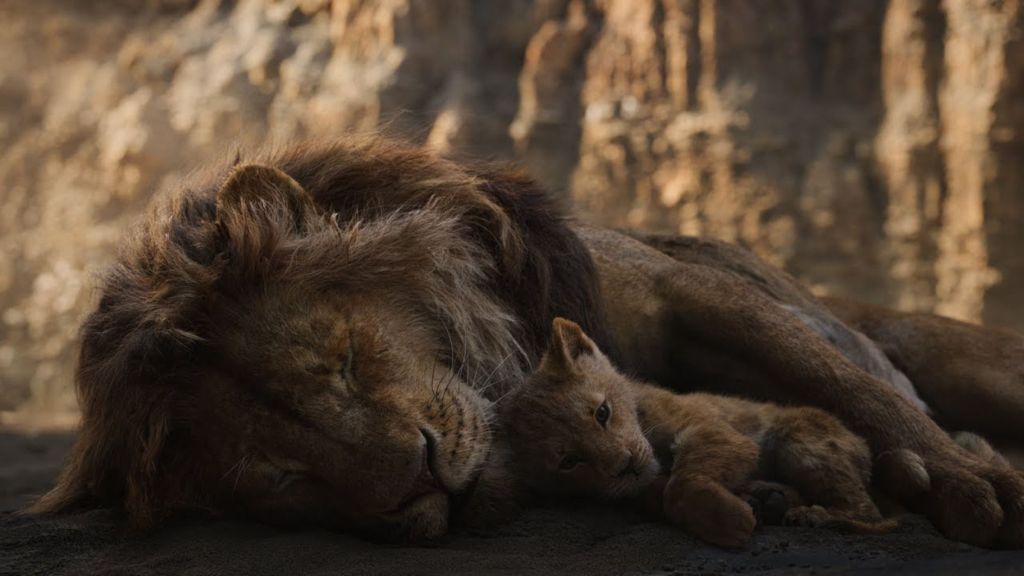
The Lion King’s biggest flaw is its unwavering commitment to photorealism over emotional truth. In its pursuit of a documentary-like aesthetic, the remake willingly sacrificed the single most important tool in the animator’s arsenal: expressive character faces. The original Lion King uses stylized, anthropomorphic animation to give its characters a clear and relatable inner life. Their faces are a canvas for joy, sorrow, rage, and fear. The 2019 film erases that canvas entirely by shackling its characters to the biological limitations of real animals, creating a permanent disconnect between the dramatic dialogue the audience hears and the impassive faces it sees. This choice transforms emotionally charged scenes into observational events, and nowhere is this failure more glaring than in the story’s tragic apex.

In the 1994 film, the death of Mufasa is a masterclass in conveying grief through animation. The terror in young Simba’s wide eyes as the stampede approaches is palpable. The malevolent glee is visible in Scar’s sneer. When Simba finds his father’s body, his reaction is a devastating visual portrait of a child’s heartbreak, his face contorting with confusion, denial, and a final, shattering wave of sorrow. The animators use their art to externalize his pain, allowing the audience to feel the full weight of the moment directly through the character.
The 2019 remake stages these same events with technical precision but zero emotional resonance. The stampede is visually impressive, but once the dust settles, the scene collapses. Donald Glover’s voice performance as Simba delivers the character’s horror and despair, but it is completely detached from the vacant stare of the digital puppet on screen. As a result, what was once a moment of shared grief becomes a cold experience.
The Digital Perfection of The Lion King Erases the Characters’ Charisma
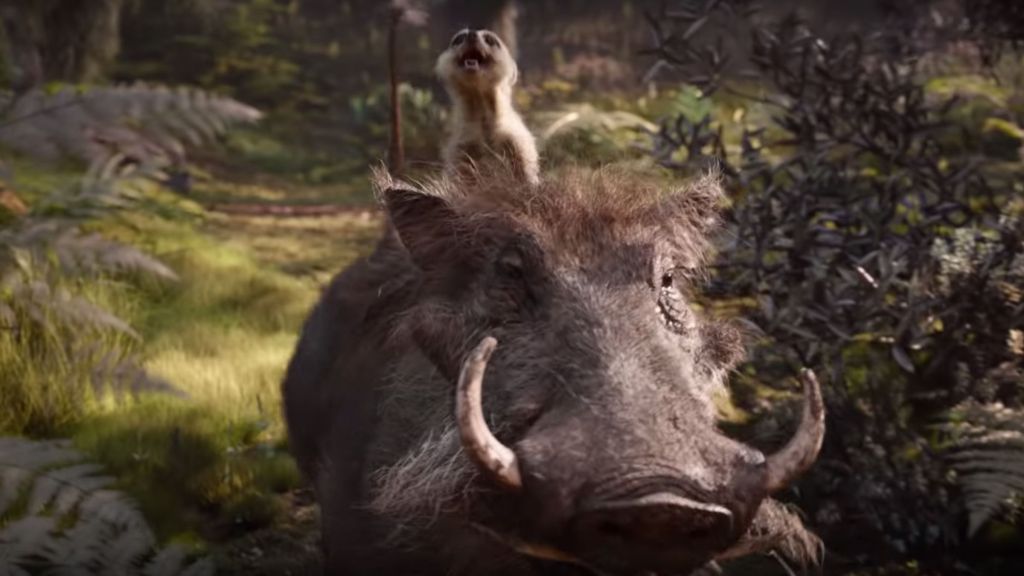
The Lion King’s fundamental design misfire extends far beyond a single scene, systematically dismantling the personalities of the film’s most charismatic characters. For instance, the vibrant villainy of Scar and the buoyant comedy of Timon and Pumbaa are both casualties of the remake’s rigid aesthetic, neutered by the very technology meant to bring them to life in a new way.
The animated Scar is one of Disney’s most iconic villains, a character whose menace was inseparable from his visual design. Jeremy Irons’ silky, aristocratic voice was perfectly paired with animation that made Scar slinky, theatrical, and deliciously expressive. His condescending eye-rolls, sarcastic smirks, and theatrical gestures defined his personality. The 2019 version is simply a slightly thinner lion. Chiwetel Ejiofor’s vocal performance is powerful, but it is shackled to an animal that cannot physically emote. The character’s entire persona is gone, which becomes abundantly clear during the “Be Prepared” scene, which is transformed from a fascist-inspired musical number into a drab recitation in a cave.
The same fate befalls the film’s comedic duo. The humor of the original Timon and Pumbaa was deeply rooted in the exaggerated language of cartoons. In the remake, the brilliant comedic timing of Billy Eichner and Seth Rogen is left stranded, disconnected from the stoic meerkat and warthog on screen. Their vocal banter is sharp, but the visual element of their comedy is completely absent. In addition, the life-affirming joy of “Hakuna Matata” feels hollow when sung by digital animals whose faces are incapable of expressing the carefree bliss the song proclaims.
In its quest to build the most realistic world possible, Disney created an emotional vacuum. The Lion King is a stunning technological demonstration, but it proves that in storytelling, authentic feeling will always be more powerful than visual reality.
The Lion King is available on Disney+.
What do you think? Leave a comment below and join the conversation now in the ComicBook Forum!
Most Viewed
-
Courtesy of Cartoon Network -
Image Courtesy of Marvel Comics



![Spider-Man: Brand New Day Trailer: Watch Every Clip Released So Far [Updating]](https://comicbook.com/wp-content/uploads/sites/4/2026/03/Spider-Man-Clips.jpg?w=300)