It’s taken 4 years for Peaky Blinders: The Immortal Man to get to screens, and it was never actually meant to exist. Back before the release of the sixth season in 2022, the plan had always been to make season 7, but the pandemic killed that intention, and ultimately creator Steven Knight and director Tom Harper – who had helmed the very first episodes of the show – pivoted to a cinematic finale. It made sense: as the creative team has always said, it’s a cinematic show. But don’t worry, this is very much the same, gritty, grim Peaky Blinders it’s always been.
Videos by ComicBook.com
Thankfully, The Immortal Man is a triumph. It is a gritty, bone-chilling, and most importantly, fitting conclusion to the first age of the Shelby saga. Before the franchise branches off into its promised sequel series, this film provides answers and some closure after the consciously ambiguous ending of Season 6. There’s no sense that we’re just rewalking old ground, rather The Immortal Man wraps up long-gestating plot threads, introduces a villain who ranks among the series’ best, and refuses to flinch from the difficult, often heartbreaking story choices that always defined the show.
Rating: 4 out of 5
| PROS | CONS |
|---|---|
| Remarkable performances from Cillian Murphy, Barry Keoghan, and Tim Roth | Stephen Graham isn’t in it enough |
| A real escalation of Tommy Shelby’s story | The music mixing is, frankly, offensive |
| Great story swings, delightful violence | |
| Ultimately, a fitting ending to the show |
Cillian Murphy Delivers Another Masterclass
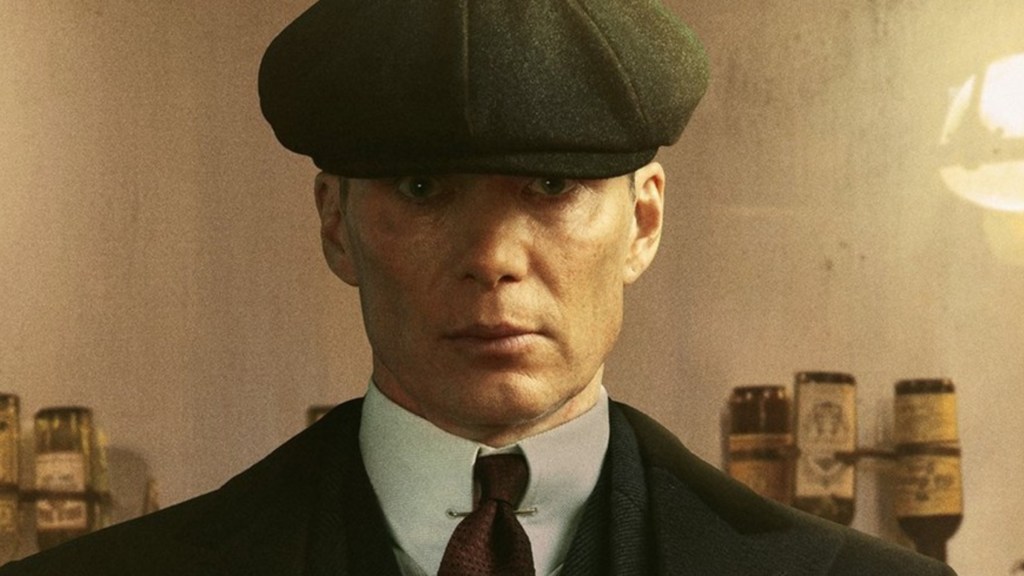
The Immortal Man is the story of Tommy’s legacy, inevitably. Barry Keoghan plays his son Duke, who struggles with Tommy’s shadow to the extent that he’s a rash and terrifying new leader of the Peaky Blinders. When he ends up embroiled in a Nazi scheme to win the war from within Britain, led by Tim Roth’s John Beckett, Tommy is forced to return to his old life. And he’s not happy about it.
Picking up several years after he rode off into the sunset on a white horse, Murphy plays Tommy as a man who is “immortal” only in the sense that his ghosts refuse to let him die. This is a perfectly honed performance built up over a decade of work, and rather than Tommy being a man of peace, he is visibly more haunted as his old (and newer) traumas weigh more heavily on him. In his own words, the doors in his brain have blown open. He’s almost like the image of a retired superhero, redundant but determined not to be dragged back, and then motivated by an even greater fire once he’s dragged back in. So really, we get twice the Tommy Shelby for the money.
If Tommy’s journey in Season 6 was about being haunted, in The Immortal Man, the order of the day is exorcism. Rebecca Ferguson’s newcomer Kaulo tells him his house is haunted by the ghosts of people he killed (or caused the death of), and it’s not just the house. He’s still struggling with PTSD from the war, and his whole story snaps into focus as an extension of those awful days in the tunnels of France. And then punctuating the silence, you get the same sudden, explosive violence that reminds you why he’s “immortal”. It’s a claustrophobic ballet between the two sides of Tommy and as ever, Murphy makes it mesmerizing.
The Immortal Man’s New Characters Shine
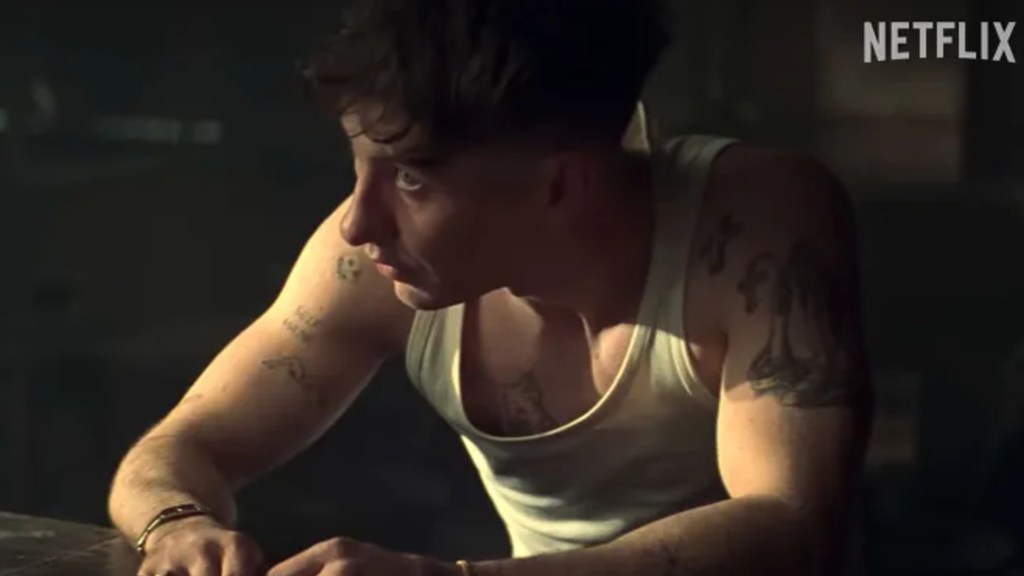
This isn’t just the Tommy Shelby show, though. And while the film honors its roots, the injection of freshness in the form of Duke (Barry Keoghan) – who we’ve met before of course, but is recast here – and Roth’s Beckett is a master stroke. Really, they’re the highest billed characters, as well as Rebecca Ferguson, who is a sort of Lady Macbeth figure but more reserved, and both are exceptional. Keoghan’s accent may wander around the British Isles a bit (with his Irish brogue kicking in a few times), but he’s very believable as Tommy’s son; both bursting with violent potential and haunted by Tommy’s abandonment and his burning urge to impress or surpass him.
If Ferguson’s Kaulo is Lady Macbeth, Roth’s Beckett is Iago – a brilliant, perversely charismatic school teacher of a man who gradually reveals his dark underbelly. His biggest selling point is the fact that he believes himself human, which both makes him horribly likable and unthinkably evil. Roth plays him brilliantly as a reminder of how great he is and has always been.
Does Peaky Blinders: The Immortal Man Justify Its Existence

Is The Immortal Man worth the years of waiting since Season 6 ended and the change of approach? The answer is a resounding yes. While the series finale left Tommy in a state of purgatory, the film offers a far more decisive and satisfying conclusion and the logical continuation of the series. There are compromises, of course: both Paul Anderson’s Arthur (who is almost entirely absent) and Ada (Sophie Rundle) are rather betrayed by the plot, while Finn (Harry Kirton) and Tommy’s son Charlie are removed entirely. But those difficult decisions (and the other more spoilerific story decisions I can’t and won’t mention) end up as brave swings because of the space they create for the new elements.
If I can grumble slightly here, I really do wish Stephen Graham had more of a role, but you can’t have everything. And what The Immortal Man delivers is both impressive on its own and a justification for the move to a movie. Knight and Harper create a sense of scale that the small screen couldn’t always capture, and there are more visually creative elements. At times, the pace slows to a crawl, but when you think back at the end, there’s a lot of story to balance, and the allowance to pause and reflect is actually a rare commodity in movies like this.
The only real major downside I have is more of a technical thing (though there is a creative misstep in there, too). For whatever reason, The Immortal Man follows the infuriating trend of some other Netflix releases of turning the mixing board up to 11 for all music, and down to 4 for the dialog. This is annoying at the best of times, but The Immortal Man’s choice of soundtrack – grumpy modern industrial punk poetry – is designed to provoke, and it ends up being offensive. I didn’t like a lot of the music choices, even if the “Red Right Hand” reprise is great and perfectly timed, and I particularly didn’t like it being blasted into my face at supersonic levels.
Peaky Blinders: The Immortal Man releases on Netflix on March 20 after a limited theatrical run. Will you be watching? Leave a comment below and join the conversation now in the ComicBook Forum!
More Movies
-
Disney – Marvel -

Paramount – Legendary Pictures -
Image Courtesy of Lions Gate Films