Nowadays, there are shows that you finish and just think: how is it possible that something this good, with a solid script, doesn’t get the recognition it deserves? Especially when it’s an HBO production, which is known for consistently high-quality series. It’s frustrating. And sometimes these shows were popular when they first aired, but it feels like they had a brief moment of success and then just faded from memory. In this case, we’re talking about a mystery series that’s intense, uncomfortable, and doesn’t give you a second to zone out — every detail on screen demands your attention. And that’s exactly why it’s so brilliant and totally worth your time.
Videos by ComicBook.com
But it’s not your typical procedural or crime show you can binge without thinking. This series goes way deeper, exploring characters, family dynamics, and trauma in a way that makes most other TV plots feel shallow. What sets it apart, though, is that its suspense doesn’t just come from the external mystery — it’s everywhere. And you spend more time trying to understand the characters than guessing the killer. But that’s intentional. By the end, you’re not just watching a story, you’re feeling it. And that makes all the difference.
Sharp Objects Is an Absolute HBO Masterpiece
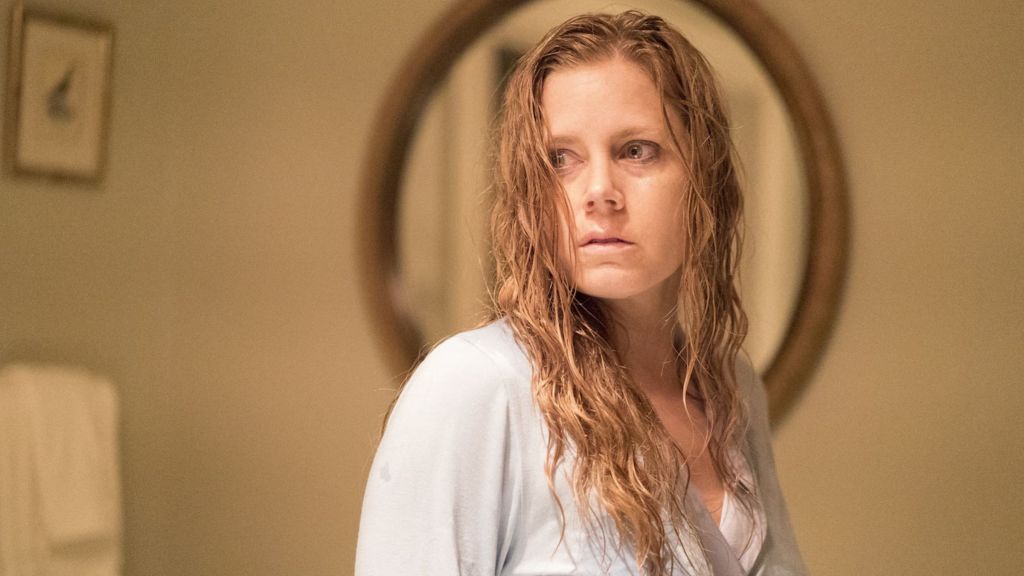
With 92% on Rotten Tomatoes and released in 2018, Sharp Objects is an HBO miniseries with just eight episodes, based on Gillian Flynn’s novel. It follows Camille Preaker (Amy Adams), a journalist who returns to her hometown to cover the murder of two teenage girls. But the show quickly makes it clear that the real stakes aren’t just figuring out the killer: Camille has to deal with old traumas, a complicated relationship with her mother, and a manipulative half-sister. The mystery is only the entry point; the real focus is a raw, meticulously written psychological study of the protagonist and the people around her.
And what’s most impressive about Sharp Objects, even today, is how each episode connects seamlessly to the next without wasting time. None of the chapters are padded with pointless subplots because the show knows exactly what story it wants to tell, and every single nuance matters. And the direction by Jean-Marc Vallée is worth highlighting here: slow camera movements, deliberately uncomfortable close-ups, and heavy, lingering silences. All of it works to make you feel the weight of the town, Camille’s memories, and her inner world. So don’t expect a comfortable watch, because the show has no intention of being easy. It’s designed to press on the mystery, keeping you tense and uneasy while making you notice every detail that leads to where it’s all going.
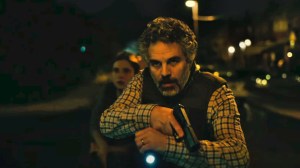

Besides, Amy Adams’ performance is flawless — no wonder she earned Emmy and Golden Globe nominations and won awards like the Critics’ Choice Television Award and Satellite Award. Her character is layered, and you can feel her internal struggles in every glance and hesitation. It’s fair to say that her performance carries half the show, since you see how trauma, guilt, and unresolved memories can shape a person over the years. Plus, Adams delivers that without ever becoming caricatured. The tension she creates is constant because the actress and the character are inseparable.
On the other hand, the show has a slower pace, but that makes perfect sense narratively — it allows the show to breathe in the middle of so much suspense. It lets you absorb not just the events, but the tension in everything, and even the suffocating atmosphere of Wind Gap (since the town is basically a character as well). The effect the show aims for comes from everyday interactions and small details that slowly build toward the finale. It all feels almost clinical, like each tiny moment is a clue or a psychological signal to notice. So if you’re bothered by a lack of nonstop action, Sharp Objects isn’t for you. The series demands your patience and full attention, but honestly, it rewards it like nothing else.
The Sharp Objects Finale Is Proof the Series Needs More Recognition
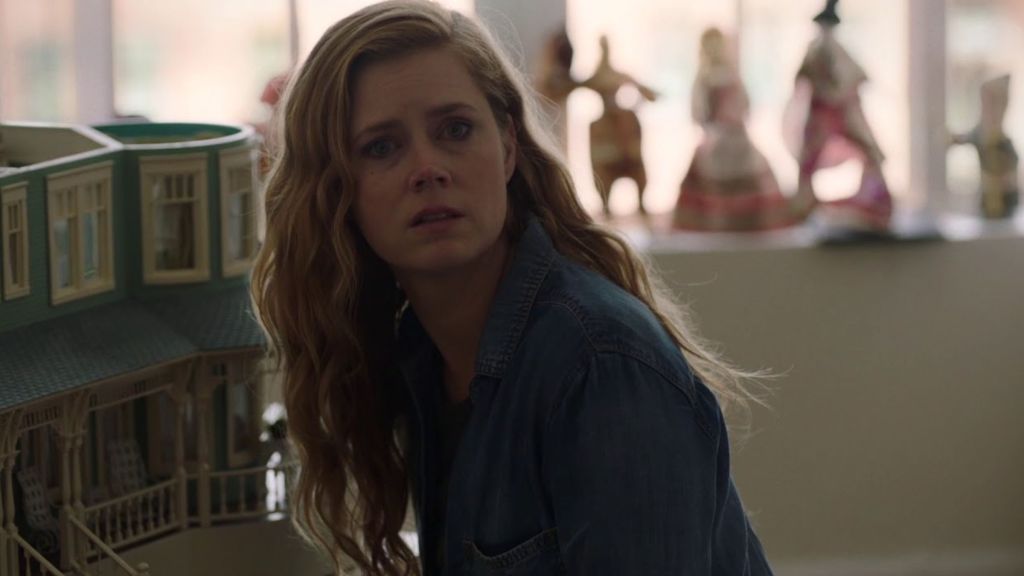
The ending of Sharp Objects might be exactly why the show should be watched and more discussed. The final episode isn’t just shocking because of the mystery — it’s about how everything that happened before comes together in a way that feels painfully inevitable. There’s no way to escape it, and it’s unsettling. Yet it’s one of the most well-constructed conclusions you’ll see in a mystery miniseries, without a doubt. To give some context, the show plays with audience perception so well that many people (even those who read the book) have said that on a second watch, they notice how subtle clues were there all along, hidden in plain sight. That’s proof of how carefully the writing works with minute details instead of cheap narrative tricks.
Besides, the impact of the ending (and the show as a whole) comes from how it leaves some answers implicit instead of spelling everything out. The TV adaptation chose to end right after the big reveal, without a more traditional epilogue like the book provides, precisely to maintain that sense of shock and let viewers interpret what it all means. The creators wanted the audience to leave not with a sense of everything explained, but with the feeling that the story is still alive in their minds.
There are some small debates online about whether it should have offered more context or if it was brave to leave the ending so open-ended, but the consensus is that it delivers a conclusion that challenges expectations — and not just in the disposable, fast-consumption way.

So, even eight years later, it’s still shocking how Sharp Objects doesn’t get the same level of discussion as other HBO productions. It’s not an easy watch; it’s not escapism; it demands emotional engagement. But if you accept that challenge, you’ll see that every episode is basically a masterclass in both mystery storytelling and psychological character study. It’s intense, sometimes brutal, but flawless in the way it builds the genre without resorting to formulaic tropes (which is rare these days, with so much content feeling repetitive and uninspired).
Sharp Objects is absolutely unforgettable and deserves far more attention than it gets. It’s almost criminal that it doesn’t.
What do you think? Leave a comment below and join the conversation now in the ComicBook Forum!
Most Viewed
-

Official art by Bastien Lecouffe-Deharme -
Image courtesy of Tor Books/Macmillan -

A photo of the Retrovolt Arcade taken in 2017, showing several classic arcade cabinets and stools. -

Courtesy of TOHO Animation