It increasingly looks as though the story of the Slayer is over after Hulu pulled the plug on Chloé Zhao’s Buffy the Vampire Slayer revival. It’s likely we’ll never know for sure what really killed the Buffy relaunch. For her part, Sarah Michelle Gellar blames a Hulu executive (identified as Craig Erwich by the trades). Anonymous briefings from Hulu, meanwhile, insist the quality wasn’t there and seem to be pinning the blame on Zhao herself.
Videos by ComicBook.com
The most likely explanation is that Gellar and Zhao simply had a different vision to Hulu. The streamer seems to have wanted something like Buffy the Vampire Slayer Season 8, while Gellar and Zhao hoped to launch what you could call Buffy: The Next Generation. In truth, the latter is probably a better bet for an actual revival; franchises like Star Wars have proven there are diminishing returns when it comes to nostalgia. But the cancellation also points to other, wider problems for Disney.
The Streaming Model Has Collapsed
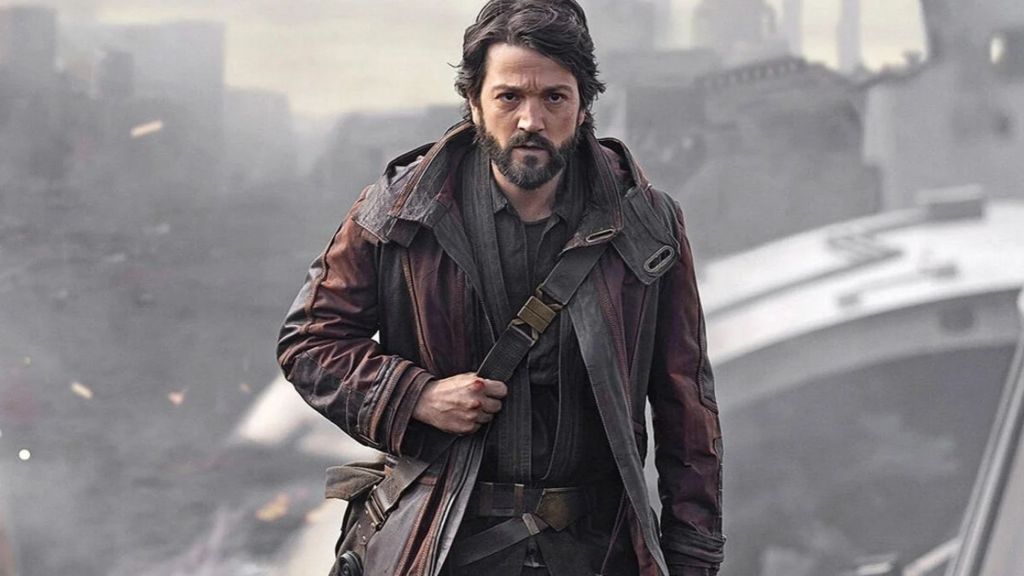
“Streaming is dead.” According to Andor showrunner Tony Gilroy, that was the frank assessment of one Disney exec as they debated the second season’s budget. It was probably the most shocking quote of the year, pointing to the fact the age of peak streaming is dead. Even the Duffer brothers – creators of Stranger Things – have expressed a similar sentiment, and it’s telling they’re moving on to feature films.
They should know. Netflix had hits before Stranger Things, but that show was the one that inspired the streaming boom (it’s often even credited as setting the eight-episode pattern). The basic model was clear: a successful streaming service needed a constant stream of fresh, new content to gain and retain subscribers. These shows became ever-more expensive, premium content competing in terms of quality, and any potential rivals had to match the impressive budgets offered by the likes of Netflix, HBO, and Disney.
Looking back, it’s now clear the model was never sustainable. Subscribers tended to hop in and out of rival streamers, joining to watch the latest big release and then unsubscribing again. Netflix attempted to get around this problem using sophisticated recommendation algorithms, but competitors struggled to figure out a way to match that data-driven approach. Meanwhile, there was always going to be something of a hard cap to the number of potential subscribers; there could never be unlimited expansion, meaning eventually streamers would be spending money just to stand still.
Disney has made the hardest pivot. The Disney+ streaming service launched in December 2019, and it was a massive success, with The Mandalorian and Baby Yoda’s debut driving unexpected subscriber growth. But it took the introduction of an ad tier to really make Disney+ profitable, while the constant release of new content has actually led to brand dilution for both the MCU and Star Wars. Little wonder both Star Wars and the Avengers are returning to the big screen this year.
Disney is Struggling to Launch New Streaming Franchises

All streaming services are adapting to the new reality, and it seems likely we’ll see quite a few mergers going forward. Disney seem to be in the worst position, though; the House of Mouse has become overly dependent on established franchises, struggling to launch new IP. Netflix has a reputation for new releases – think Wednesday, Bridgerton, or KPop Demon Hunters. Disney+, meanwhile, is basically the home of Marvel and Star Wars. Since 2019, only one new franchise has really picked up on Disney+, Percy Jackson. Hulu – which will be absorbed into the Disney+ app by the end of this year – is inheriting this problem.
Hulu’s Buffy cancellation really needs to be seen in this context. Buffy the Vampire Slayer may be another established franchise, but Zhao and Gellar clearly wanted to reach a whole new audience through a brand new Slayer in the starring role. Hulu, in contrast, wanted something rather more mature that was aimed at old-school fans. It feels rather more like just another nostalgia play, and it would have been successful for a time, but far from transformative for Disney and Hulu. It would just be more of the same.
Disney as a whole has (wisely) pivoted back toward the big screen. But Disney+ needs to be more than just the app people go to a few months after a big screen release, so they can watch the latest film again. The old streaming model may have collapsed, but there do still need to be fairly frequent, compelling new TV shows. The key word there is “new,” because Star Wars and Marvel have proved you can’t simply repeat yesterday’s successes. Nostalgia only works for so long, and then people start turning off.
Zhao’s Buffy: New Sunnydale is gone, and it really doesn’t look as though we’ll be getting a Buffy revival anytime soon; it took years to persuade Gellar to come back in the first place, and she seems to be burning any bridges with Hulu right now. But the challenge facing Disney+ and Hulu is to find the series that will scratch that itch, the show that will draw in new viewers (whether spinning out of an established IP or not). As good as Andor and Daredevil: Born Again may be, Star Wars and Marvel won’t be enough, and nor will an annual Percy Jackson season. The streamer needs to have a lot more strings to its bow.
More TV Shows
-

Image Courtesy of Marvel Studios