For many Marvel fans, X-Men: The Animated Series remains the definitive interpretation of the titular heroes. When the show first premiered in the early 1990s, it successfully popularized the concept of mutants for a global audience, moving the characters beyond the niche of comic book shops and into the mainstream. Furthermore, by streamlining complex character histories and recalibrating power sets for a serialized television format, the show served as a highly effective template for the future of Marvel media. X-Men: The Animated Series version of the team was so influential that its specific character dynamics and visual shorthand eventually migrated back into the source material, permanently altering how the X-Men were depicted in comic books for years to follow.
Videos by ComicBook.com
Despite its enduring legacy, the production of X-Men: The Animated Series was far from a guaranteed victory, as Marvel and Fox executives initially viewed the project as an exceptionally risky investment. At a time when superhero animation was often relegated to episodic formats, the creative team had to fight tirelessly to ensure their vision of a serialized drama reached the airwaves. This behind-the-scenes battle involved navigating a complex web of corporate politics and creative restrictions that threatened to derail the project before it could find its footing. To protect the integrity of the show, the production staff occasionally had to resort to unorthodox tactics to bypass editorial interference. One of the most famous instances of this creative rebellion included a clever psychological trick played on Stan Lee.
Why Have the X-Men: The Animated Series Creatives Tricked Stan Lee?
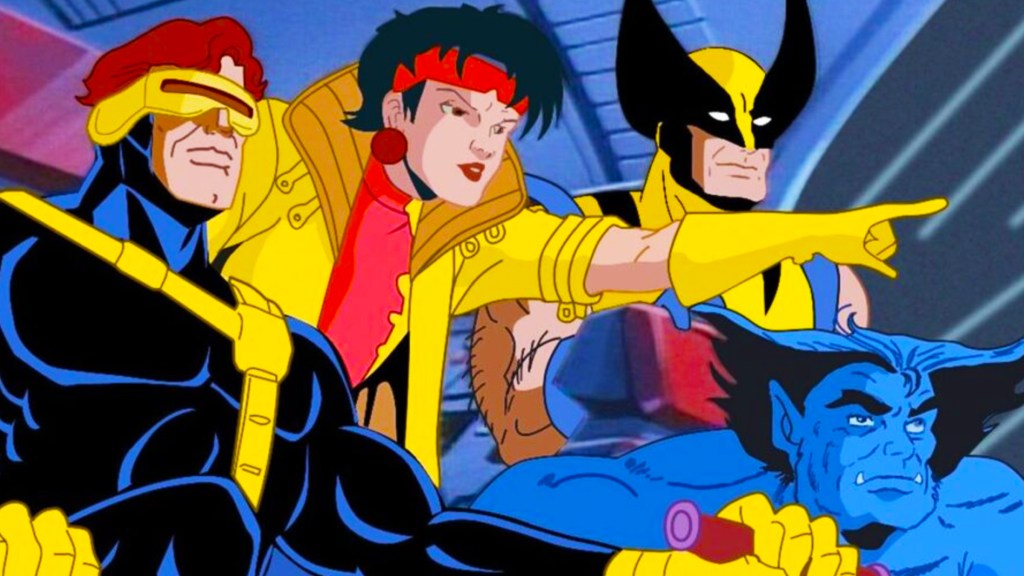
When the X-Men first debuted in 1963, created by Stan Lee and Jack Kirby, the team consisted of Cyclops, Iceman, Beast, Marvel Girl, and Angel, wearing matching blue-and-yellow hooded ensembles designed to look like school uniforms. By 1992, however, the brand had undergone a massive stylistic evolution, culminating in the iconic costume overhaul by artist Jim Lee for the rebooted X-Men #1. The showrunners, led by writer and producer Will Meugniot, desperately wanted to use these contemporary designs as the basis for the animated team. However, a corporate mandate from Marvel executives banned any reference to Jim Lee’s work because the artist had just left the company to co-found Image Comics, a rival publisher.
Meugniot recognized that the audience would expect the modern look, as the Jim Lee aesthetic had become the industry standard. To circumvent the ban, he devised a plan to present a “rejectable” alternative that was so visually unappealing it would force the executives to reconsider. “I knew that we had to use those costumes because that was what people who like the characters were going to expect (and they worked best),” Meugniot explained in the book Previously on X-Men: The Making of an Animated Series by Eric Lewald. To accomplish this, he created a model sheet that intentionally mimicked a “young/funny” 1970s Hanna-Barbera cartoon style, which was fundamentally at odds with the serious tone of the project. He noted, “I thought, well, I’m going to do a model sheet that’s so dumb that they will be forced into using the right ones.”
The plan worked perfectly when the “fake” designs reached the hands of the Marvel leadership and artist Rick Hoberg. Hoberg, who was unaware of the political maneuver, reacted with genuine alarm, fearing that the series was being sabotaged by an incompetent art direction. This reaction was exactly what Meugniot needed to convince the high-level executives, including Stan Lee, that the current path was a disaster. According to Meugniot, “Rick wasn’t aware of the politics, and when he got the Hanna-Barbera versions, he about had a heart attack. He was on the phone to Stan and others, horrified, saying, ‘We can’t do this, we can’t do that, what is Will thinking?! He’s going to ruin the show!’”
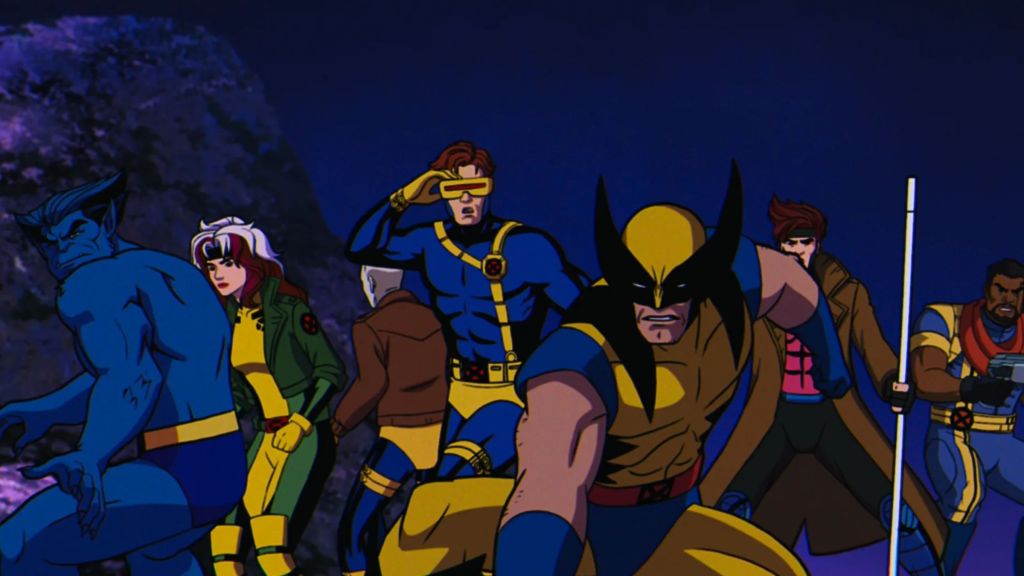
Stan Lee, believing Meugniot was genuinely making a creative error, sided with the horrified Hoberg. This collective panic over the “bad” designs eventually led Marvel to relent on the Jim Lee ban, prioritizing the brand’s quality over the spiteful competition with Image Comics. Once the designs were approved, Hoberg was able to refine them, simplifying the intricate comic book lines to ensure they could be effectively animated by overseas studios while maintaining a cohesive visual identity. This strategic deception ensured that characters like Wolverine (voiced by Cal Dodd) and Rogue (voiced by Lenore Zann) maintained the looks that would eventually define the franchise for an entire generation of viewers.
X-Men: The Animated Series and its sequel, X-Men ’97, are currently available to stream on Disney+.
Do you think X-Men: The Animated Series would have been as successful if the creators had stuck to the original 1960s uniforms? Leave a comment below and join the conversation now in the ComicBook Forum!
Most Viewed
-

Courtesy of Sony Pictures Animation / McDonald's -

Image Courtesy of TMS Entertainment -

Courtesy of Cartoon Network