For nine years and five seasons, Stranger Things told one of the most gripping stories on TV. Still, the ending left a lot of people wanting more. And there were plenty of reasons for that, but one of them inevitably comes back to the overarching threat of the entire narrative. Starting in Season 4, we saw how Vecna completely shifted the tone of the show, arriving with a darker, more brutal presence. But it wasn’t until the series finale that we learned who the true villain really was: the Mind Flayer. A good idea? Absolutely. The problem is that he seemed to be introduced one way, and when his true nature was finally revealed, he was portrayed in a completely different light.
Videos by ComicBook.com
This creature is a fundamental piece of Stranger Things mythology, and given his role in it, he needed to be overwhelmingly terrifying for the gang to face him in a final battle (at least that’s what you would expect). Instead, what we got felt more like a downgrade. It’s easy to look at the finale and remember the massive set pieces and the collective effort from the characters to defeat evil, but when the conversation turns to genuine fear, maybe the Duffer Brothers should have looked back at Season 2.
Why Stranger Things‘ Mind Flayer Was Scarier in Season 2 Than in the Series Finale
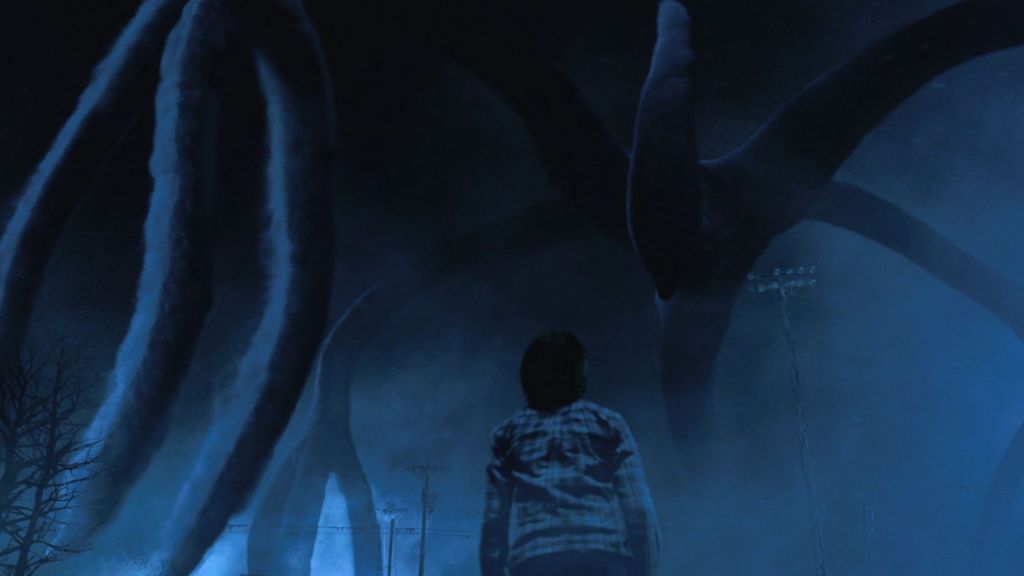
Who remembers Season 2? The Mind Flayer, in that batch of episodes, felt like a much more intelligent and methodical presence within the story. He didn’t just show up to cause chaos; he operated almost like a strategist, and Will’s possession is the clearest example of that. Instead of simply attacking Hawkins outright, the entity infiltrates the mind of a vulnerable kid and uses that connection as a spying tool. That choice helped create sustained tension for a long stretch of the season, because the enemy wasn’t “out there” — he was practically hanging out right alongside the characters, or everywhere those he controlled happened to be. The threat wasn’t out in the open or external; it was right up close and personal. And that narrative decision made everything more uncomfortable, more dangerous, and far scarier.
There’s something more disturbing about a villain who manipulates rather than just destroys. The old Mind Flayer always felt one step ahead. It seemed like he was observing and even pulling back when necessary. And this wasn’t an animal acting on instinct, but a conscious, calculating entity. From the moment he was introduced, the show built the sense that something bigger and inevitable was forming around him, even when the characters didn’t fully understand it yet. That’s what gave weight to the larger conflict that would eventually culminate in the show’s ending. It wouldn’t be just a fight, because it always felt like a chess match where the opponent was impossible to predict.

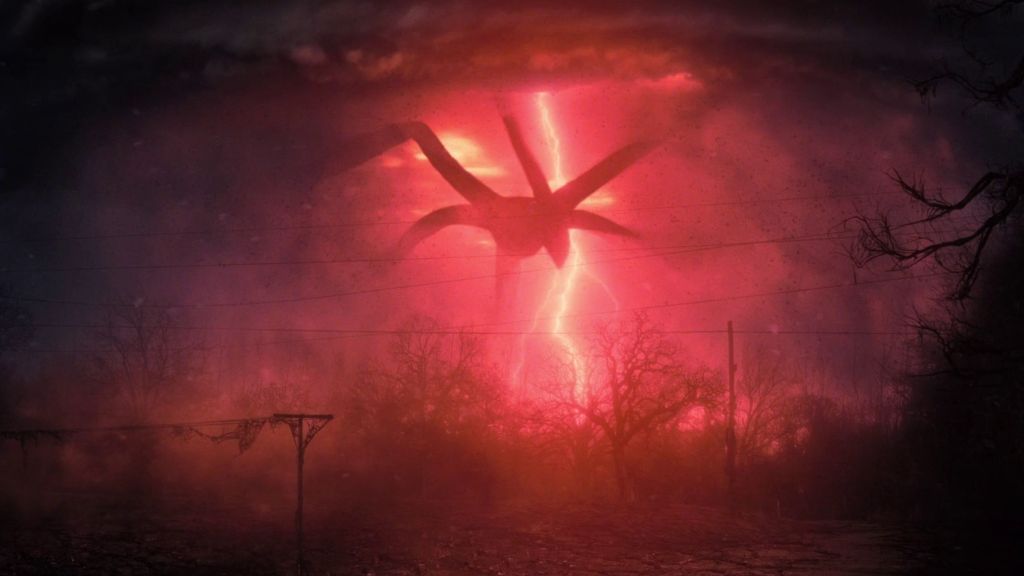
Plus, it was all about the mystery. In Season 2, the Mind Flayer was presented almost like a cosmic force, something beyond human comprehension. He didn’t have clear explanations, didn’t have a defined face, and certainly didn’t need a monologue to justify his actions. It was almost impossible to really understand what he was, and that distance is another factor that sustained the fear. The unknown is always more terrifying because it can’t be easily categorized.
The series used to trust the audience’s discomfort when faced with something that didn’t follow familiar rules. So that’s why, even though Vecna was positioned as the bigger direct enemy later on, if you compare the two purely in terms of what’s scarier, the old Mind Flayer still wins.
The Series Finale Diminished the Mind Flayer’s Threat and Undermined Its Original Impact
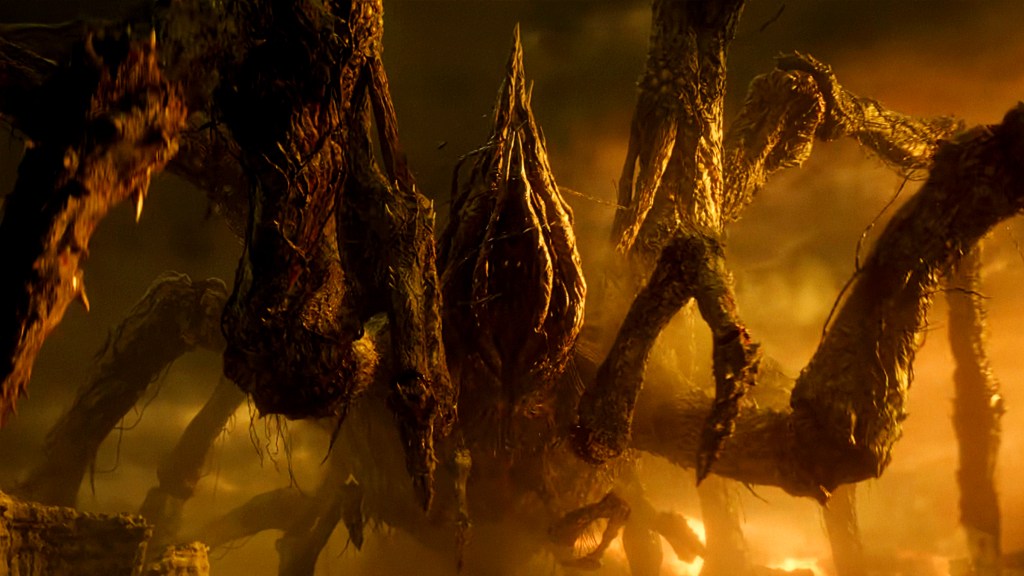
Now take all of that and compare it to what we see in the final episode of Stranger Things: the Mind Flayer takes on a completely different function. He becomes a more concrete, physical threat, almost like a massive creature that needs to be taken down in direct combat. The mysterious, unsettling aura fades, and the story treats him as part of a confrontation where he can be hit, weakened, and eliminated through teamwork. And naturally, that shift changes how dangerous he feels. Previously, the Mind Flayer dominated the story through influence; in the finale, he dominates through physical impact. When a villain can be faced head-on, he stops feeling inevitable and starts feeling like an obstacle. That’s not inherently a bad storytelling choice, but it does lessen the impact for sure.
The difference might seem subtle, but it’s significant. A villain who controls minds, manipulates characters, and operates from the shadows creates paranoia, and a villain who shows up for the final showdown creates adrenaline. Are those different emotions? Yes, and they don’t carry the same weight. So prioritizing the latter in the endgame wasn’t necessarily the best decision.
It’s also worth looking at the role the Mind Flayer plays in relation to other antagonists. In Season 2, he felt like the peak threat of the Upside Down, because everything seemed to orbit around him. In the final stretch of Stranger Things, however, his presence is more directly tied to Vecna, which dilutes his autonomy as the force the audience and the characters had come to see him as. Instead of remaining a standalone, mysterious threat, he becomes just one piece of a bigger puzzle. That can certainly enrich the mythology as well, but it also reduces the sense that we’re dealing with something incomprehensible. Not to mention the fact that he was also turned into a Venom-like symbiote villain, which, in the context of the series, made him feel even way less scary.
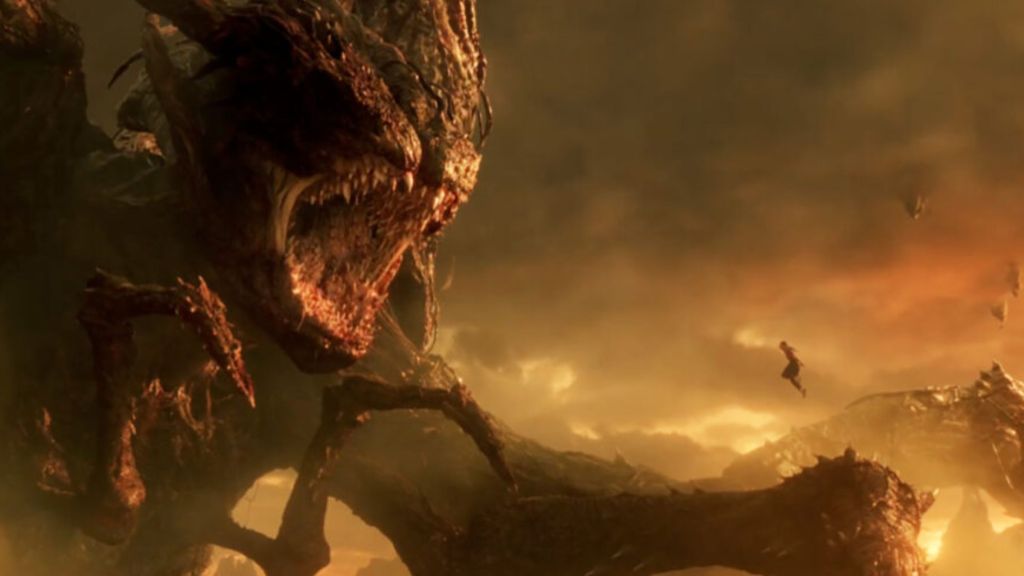
But even with its flaws, this specific aspect doesn’t mean the Stranger Things finale fails as entertainment. On a broad level, it still delivers scale, emotion, and a sense of closure. On the other hand, if the question is which version of the Mind Flayer was genuinely more frightening, it’s clear that the answer is before Season 5. Back then, he felt like a patient entity that didn’t even need to materialize to dominate the atmosphere and the narrative. He wasn’t just an enemy to defeat, but something much bigger.
In the end, what made the Mind Flayer so effective at first was the combination of mystery, manipulation, and intelligence. He felt bigger than the characters, bigger than the town, and even bigger than the series itself at that moment. Choosing to turn him into a fully physical, direct villain may be a more conventional route (and it works as an action-driven climax for a show the size of Stranger Things), but it’s also less intimidating. And for a global hit that built its identity on tension and unease, keeping that terrifying edge all the way through would have been a better choice.
What do you think? Leave a comment below and join the conversation now in the ComicBook Forum!