Stranger Things premiered on Netflix in July 2016 and spent nearly a decade building one of the most dominant franchises in streaming history. Created by Matt and Ross Duffer, the series followed a group of Hawkins, Indiana, kids battling extradimensional horrors born from a secret government lab, inspired by the best elements of Stephen Spielberg with an extra dose of horror added on top. By the time Stranger Things‘ fifth and final season closed out across three parts in 2025 – including a New Year’s Eve finale – the show had amassed more than 1.2 billion total views, contributed over $1.4 billion to the U.S. economy, and cemented itself as Netflix’s biggest-ever English-language series. In fact, across five seasons and 42 episodes, Stranger Things became the reference point against which nearly every other small-town genre series has since been measured.
Videos by ComicBook.com
However, as Stranger Things‘ budget ballooned and runtimes stretched into feature-length territory in later seasons, critics increasingly denounced the later seasons as overstuffed and derivative. Online discourse also changed as fans lost steam and began to criticize the series’ repetitive plot and absolute mishandling of key characters. So, even with the franchise pressing forward through an animated spinoff and a planned live-action successor, it feels like some of the Hawkins magic dissipated once the main series was over. Fortunately, small towns hiding conspiracies make up one of television’s oldest sci-fi templates, and several entries in that tradition matched Stranger Things‘s ambition while avoiding the bloat that crept into its final chapters.
4) Resident Alien

Created by Chris Sheridan and adapted from Peter Hogan and Steve Parkhouse’s Dark Horse comic, Resident Alien is set in the fictional mountain town of Patience, Colorado, where a crash-landed alien assassin assumes the identity of the local doctor, Harry Vanderspeigle (Alan Tudyk). As he mingles with the community, Harry begins to wrestle with his primary orders to wipe out humanity, delayed after his crash lost a world-ending weapon in the mountains. As the titular resident alien searches for his weapon while being dragged into the problems of the town, Alan Tudyk plays Harry with a stiff physicality that turns basic human interaction into a running joke. In turn, Sara Tomko, Alice Wetterlund, and Corey Reynolds round out Patience’s main cast as they slowly clock that something is off about their new doctor.
The premise sounds like standard fish-out-of-water comedy, but the show consistently used Harry’s outsider perspective to needle small-town hypocrisy, grief, and addiction without losing its engine. Across four seasons and 44 episodes on Syfy and later USA Network, Resident Alien earned praise from critics and fans for every installment, showing a level of consistency Stranger Things never matched once its scale expanded past its first two years.
3) From
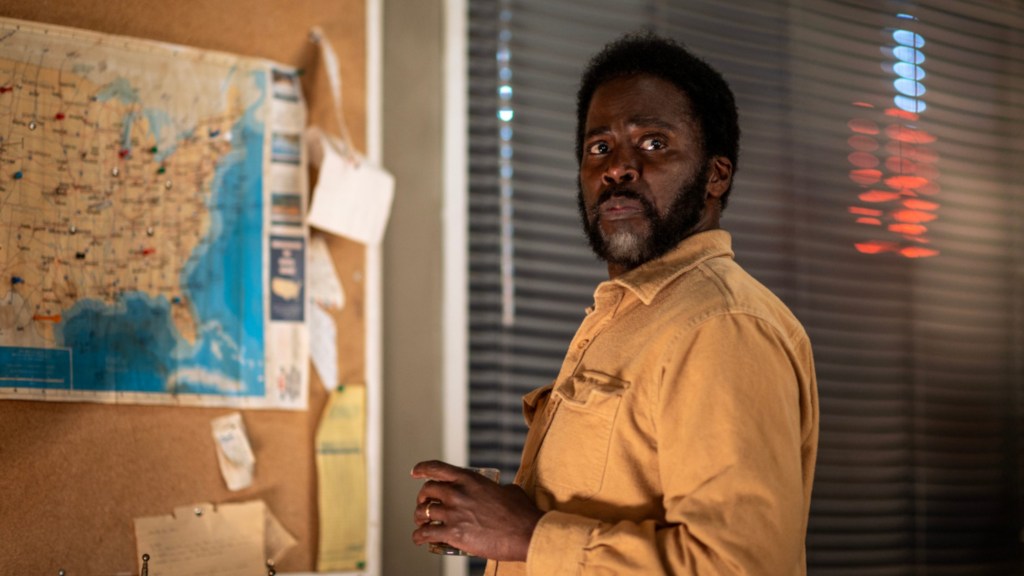
From follows the residents of an unnamed town that traps everyone who drives into it, a pocket of rural America where the roads leading out simply loop back to where they started, and where humanoid creatures emerge from the surrounding woods each night to hunt down anyone left outside. Boyd Stevens (Harold Perrineau), a former sheriff who becomes the town’s default authority, spends the show holding together whatever passes for order among people who never agreed to live under him, enforcing the nightly curfew that keeps residents alive and settling disputes that erupt when there’s nowhere left to walk away to.
What makes From stand apart is how the show is less interested in explaining why the town exists than in tracking what captivity does to the people inside it, spending entire episodes on marriages breaking down and neighbors turning on each other once it becomes clear rescue may never come. Perrineau fully embraces Boyd’s authority as something he never asked for and can’t set down, carrying the weight of years of hard decisions nobody trained him to make. One thing that might enrage fans is how showrunner Jeff Pinkner and director Jack Bender built their careers on Lost‘s model of earning answers slowly, but each season does deepen the town’s social unraveling and the overall mythology. Plus, with a fifth and final season now in development, we’ll soon learn if From hits the ending.
2) Dark
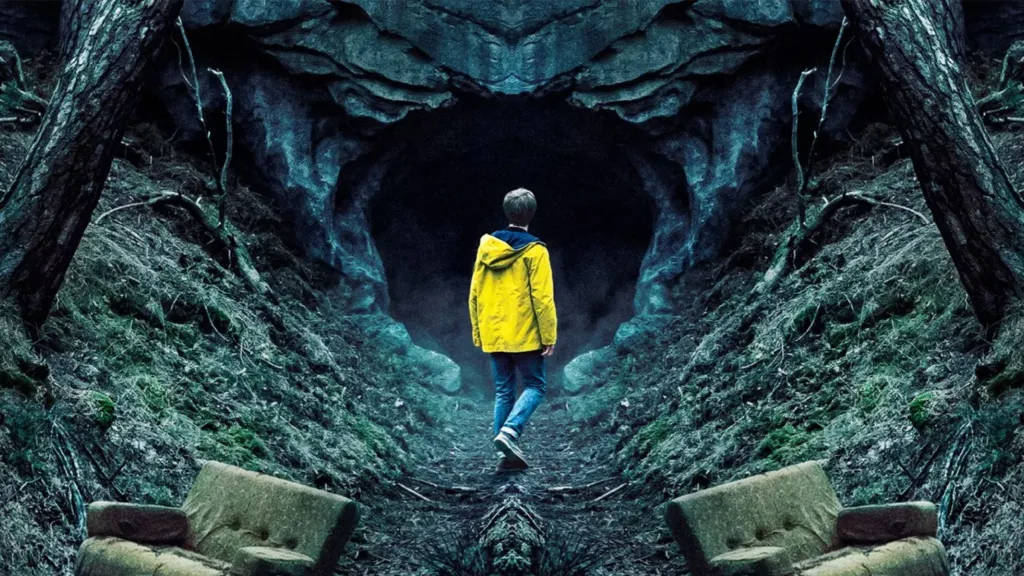
Dark opens with two children vanishing from the small German town of Winden within days of each other. As the police and local inhabitants try to uncover their whereabouts, the investigation leads into the caves beneath the town’s nuclear plant, where a wormhole connects four interconnected families across three different time periods. In fact, Winden is so small that nearly every character the show follows in one timeline turns out to be related to, or standing directly across from, someone they already know in another. As a result, time travel in Dark functions as a magnifying glass on how a small town’s secrets and loyalties get passed down generations.
At the center of the story is Jonas Kahnwald’s Louis Hofmann, a young man who learns how to navigate the wormhole while slowly uncovering the secrets of the intertwined timelines. Dark is a masterpiece because creators Baran bo Odar and Jantje Friese plotted every timeline and every character’s fate before filming began, treating the show as a single 26-episode story across three seasons rather than an open-ended mystery box. That means early details that look like background dressing eventually pay off into major twists, rewarding the kind of close attention most small-town mysteries dismiss.
1) Twin Peaks

When talking about the small town hiding dark secrets, all roads inevitably lead back to David Lynch and Mark Frost’s seminal masterpiece, Twin Peaks. To be fair, the series is classified as a supernatural mystery, given how the first season is deeply tied to the occult. Yet, it eventually deals with alien conspiracies and an alternate dimension, which means we’ll give it a pass. Twin Peaks initially presents itself as a quirky murder mystery following eccentric FBI Special Agent Dale Cooper (Kyle MacLachlan) as he travels to a remote Washington logging town to investigate the brutal death of homecoming queen Laura Palmer. However, what starts as a police procedural quickly reveals a deeply surreal mythology involving demonic possession and cosmic entities, with surreal events unfolding as episodes go by.
While Stranger Things is a loving homage to ’80s and ’90s pop culture, Twin Peaks is the foundational text that made genre-blending television so popular as it is. But where the series truly eclipses its streaming successor is in its absolute refusal to play it safe or pander to its audience. After an iconic initial run in the early ’90s, Lynch and Frost returned a quarter-century later with 2017’s Twin Peaks: The Return. Instead of serving up repetitive narrative beats, The Return was an 18-part avant-garde epic that actively deconstructed the very idea of returning to a beloved fictional universe. By taking massive creative swings and wrapping up its lore on its own bewildering terms, Twin Peaks cemented a legacy that proves true small-town mysteries are better when they challenge viewers rather than just giving them what they expect.
More TV Shows
-

IMAGE COURTESY OF LUCASFILM