Science fiction is one of the greatest entertainment genres. With stories that feature rich, imaginative world-building, fascinating and often complex situations that ask the reader to confront real world issues through the lens of entertainment — particularly when it comes to the intersections of technology and humanity, as well as thrilling “what if” scenarios, sci-fi not only gives fans adventure and escapism, but leaves them with a lot to think about as well. This is especially true for sci-fi books. While movies and television shows in the genre are amazing, books can take things even deeper and dig into even more detail than what we can get on screen.
Videos by ComicBook.com
And for some great sci-fi books, that’s both a blessing and a curse. Some sci-fi books are really good stories, but they are also so complicated and confusing that you need to read them twice (or more) in order to fully understand what’s going on. Here are five such books: great sci-fi stories that are also some of the most complex but trust us, when you read them more than once they become genuine masterpieces.
5) Use of Weapons by Iain M. Banks
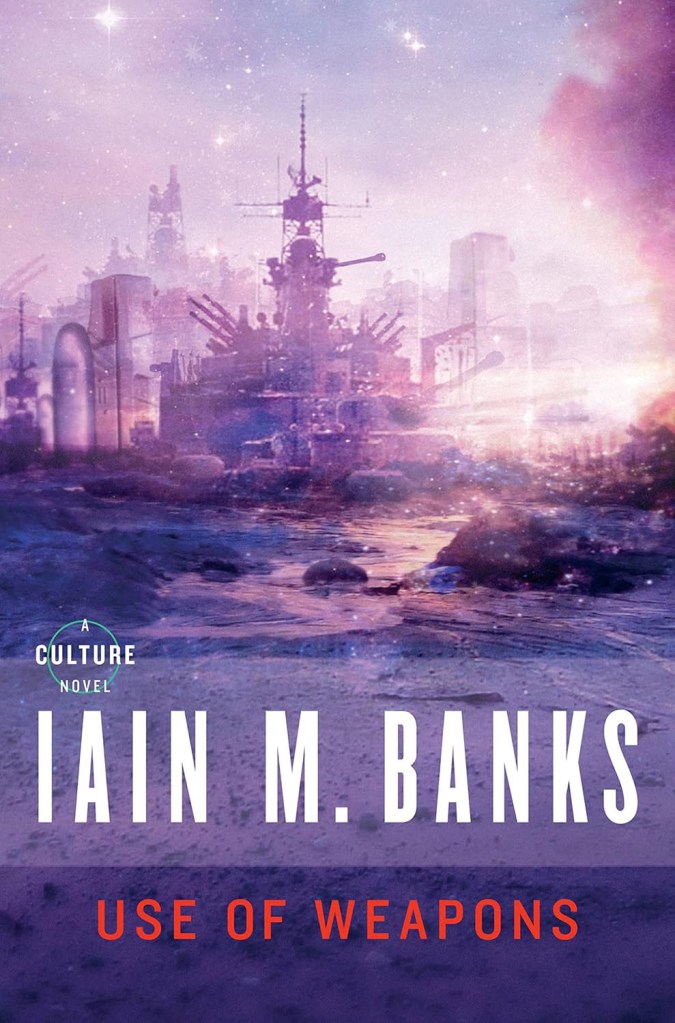
The third novel in Banks’ Culture series, Use of Weapons is so complicated that it’s actually difficult to fully describe. The book functions largely as a biography of Cheradenine Zakalwe, a man born outside of the Culture but recruited into it by Diziet Sma, a Special Circumstances agent, to work as an operative in less advanced civilizations. It’s a story with layers. While it’s up front about being a tale about weapons and how they are used, readers come to realize that the “weapons” include people, including Zakalwe.
So, what makes Use of Weapons a book that you need to read more than once to fully understand it? Other than the fact that the book’s overall story is a little complicated, it’s the twist at the end of Use of Weapons that will completely rock your perception of the rest of the book. Once you’ve hit the end, you’ll want (and need) to go all the way back and start over again, this time reading it from that new perspective, to fully understand exactly what the story is about.
4) Dune by Frank Herbert
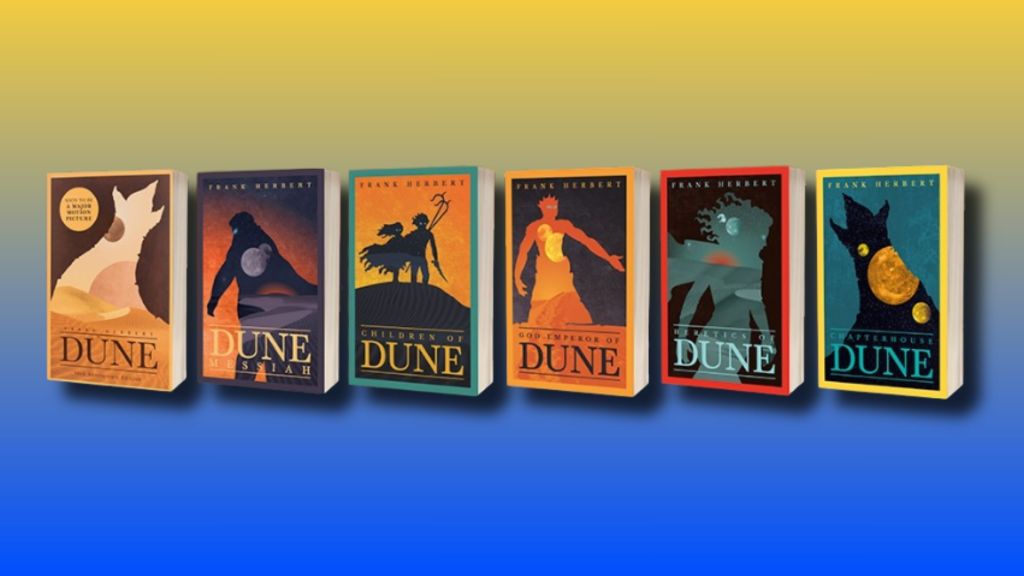
Considering that Dune was, at one point, considered to be an unfilmable sci-fi book, it makes sense that it’s also a book that is considered by many to be so confusing that you need to read it at least twice. In very broad strokes, Dune is the story of young Paul Atreides, whose family is in charge of the planet Arrakis, which just so happens to be the only source of the highly valuable substance called “spice”. However, because of spice, control of the planet is both highly coveted and also dangerous, leading to a complicated tale of politics and religion as multiple factions struggle for control.
As I said, those are the broad strokes of the story. It’s actually very detailed with very complicated relationships and the political aspect of the story is particularly intricate. While you can understand what is going on with things on the first read, it’s the massive world created in the book that benefits from a second reading. Dune has some of the most intricate and complex world building in science fiction. It gets tedious even in a first read, but a second (and even third reading) really lets you understand how everything works together and why the events as they happen matter so much.
3) The Forever War by Joe Halderman
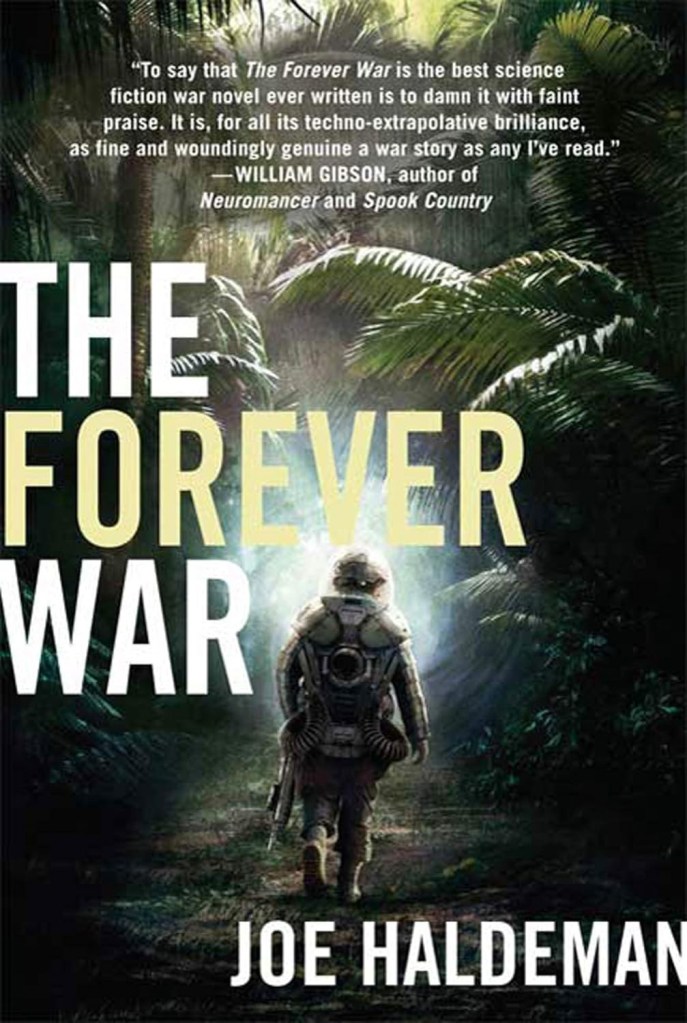
In The Forever War, human soldiers fight a centuries-long interstellar war against the Taurans, an alien race. The story, as told through the perspective of the human soldier William Mandella. However, because of the interstellar nature of the conflict, time dilation is a major factor and the soldiers find themselves dealing with radical changes in humanity — not to mention a pretty solid revelation about the war itself that entirely changes everything.
The Forever War is a great book, but you really don’t fully understand the depth of it — as well as its social commentary — unless you read it twice. The temporal impact of interstellar travel and war is particularly something that second reads and beyond help one grasp, which in turn heightens the experience of the book as something of a metaphor for the real-world experiences of military veterans who often come home after service to feel like part of life has “moved on” without them. You also get a real sense of what the title of the book means if you read it more than once.
2) Sea of Tranquility by Emily St. John Mandel

There are those that would argue that Sea of Tranquility isn’t actually science fiction, but story elements of time travel and simulation hypothesis put it firmly in that category for us and it’s a story that you really do need to read twice to completely appreciate. The book generally asks a big question: what is reality and what does memory have to do with how we perceive it? It’s a tale told over four perspectives from four different timelines, but as the story continues you start to realize that these four stories are all connected through the tale of one character, Gaspery-Jacques whose story intersects with everything.
The benefit of reading this book twice is to fully understand how Gaspery-Jacques intersects with all of the stories but also to get a real feel for the underlying thriller story that runs just under the whole book’s surface. In a sense, Sea of Tranquility is multiple books in one and it’s only when you get the full picture can you go back and appreciate each one individually.
1) Anathem by Neal Stephenson
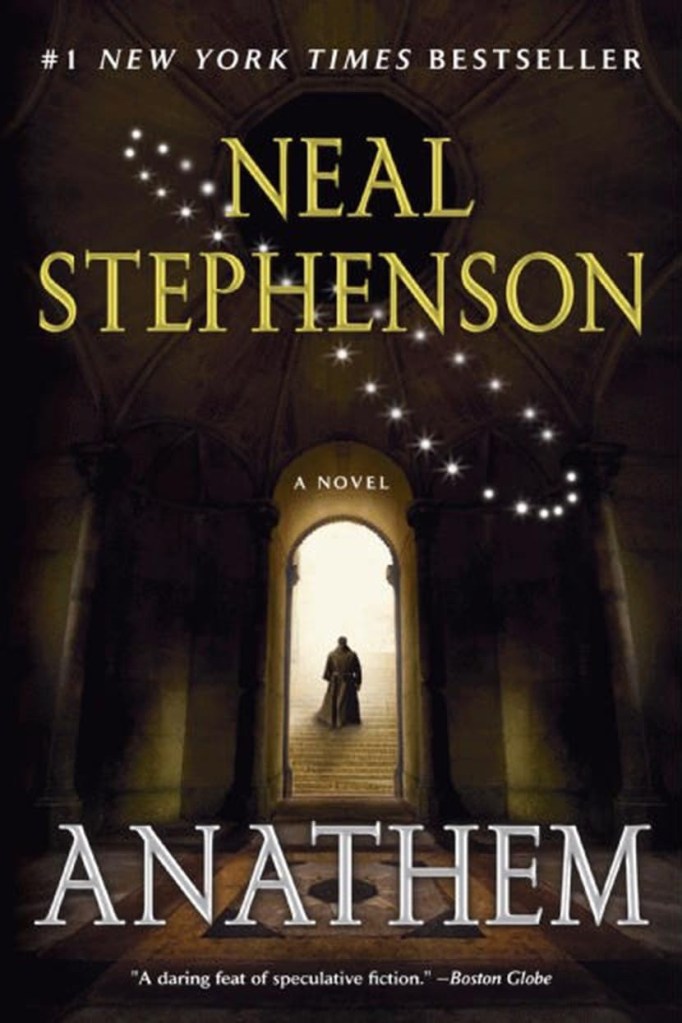
It is incredibly difficult to even describe Neal Stephenson’s Anathem, which should be your first clue that you’re going to need to read this one a couple of time. The story is set on the world of Arbre and follows Fraa Erasmas, one of the monastic scientists and philosophers who live isolated from the more tech-obsessed society. When faced with an alien threat, Fraa Erasmas finds himself having to leave his cloistered community to engage with the “saecular” world.
Anathem is a book that is extremely dense. It also uses a lot of complex jargon and has some very detailed world-building. Given the details and complicated nature of this, the first read generally functions as an introduction to the world Stephenson has created and then, upon second read, you can actually get properly into the story. It’s a book that’s definitely worth making your way through once so you can read it again, though. Once you are comfortable with the setting, it’s a great story.
What do you think? Leave a comment below and join the conversation now in the ComicBook Forum!
More TV Shows
-
IMAGE COURTESY OF PARAMOUNT PICTURES