Stranger Things concluded its five-season run on Netflix with a finale that wrapped the mythology of the Upside Down and offered an emotional farewell to the Hawkins crew. The two-hour series finale culminated in a massive confrontation where the group successfully dismantled the threat of Vecna (Jamie Campbell Bower) and the Mind Flayer. However, many fans were divided on the finale, with some complaining about the ambiguous sacrifice of Eleven (Millie Bobby Brown) and the perceived lack of consequences for the core cast. These frustrations led to a widespread conspiracy theory named Conformity Gate, in which fans tried to find clues of a secret Stranger Things episode. Proponents of this theory argued that the happy ending was actually a collective hallucination created by a surviving Vecna. They pointed to odd details in the finale and continuity errors as evidence of a fake reality.
Videos by ComicBook.com
While not everyone was happy with how Stranger Things ended, the consensus seems to be favorable regarding the cinematic scale and production quality of the final season. The show managed to deliver the high-budget spectacle that viewers expected, even if the narrative choices left a portion of the audience in a state of collective psychosis. Still, the idea of one more episode to fix a disappointing TV ending is enticing. There are other divisive finales that could definitely have used an extra episode to course correct the narrative or at least to give sudden developments enough time to make sense.
5) Dexter

The series finale of Dexter ended with the titular serial killer (Michael C. Hall) faking his own death in a hurricane and relocating to a logging camp in Oregon. This conclusion remains infamous because it robbed the audience of a final confrontation between the Bay Harbor Butcher and the colleagues he deceived for eight years. An additional episode could have focused exclusively on the investigation into Dexter Morgan after his boat was found destroyed. By showing Angel Batista (David Zayas) and Joey Quinn (Desmond Harrington) discovering the evidence Dexter left behind or the security footage of him killing Oliver Saxon (Darri Ingolfsson), the show could have provided a sense of justice. This extra hour would have allowed the Miami Metro team to process the betrayal and link Dexter to the crimes of the past. Instead of a silent exit into the woods, the narrative would have confronted the wreckage of his secret life through the eyes of those who trusted him.
4) The 100

The finale of The 100 was divisive because it introduced the alien Judge as a sudden arbiter of morality who decided if humanity deserved to exist or be turned into crystalline statues. This shift into the supernatural felt jarring for a show that spent seven seasons dealing with the practicalities of nuclear war and tribal politics. An additional episode could have focused on the survivors who refused transcendence and chose to live in the ruins of their world. This hour would have detailed the logistics of their final days, showing how they built a home without the threat of war or the promise of a magical afterlife. Furthermore, by highlighting the quiet moments between characters like Murphy (Richard Harmon) and Emori (Luisa d’Oliveira), the show could have justified their decision to choose humanity over the hive mind. In short, an extra episode would have transformed a confusing science fiction pivot into a poignant study of the human spirit and the value of a finite life.
3) Killing Eve

The series finale of Killing Eve, titled “Hello, Losers,” concluded with the sudden death of Villanelle (Jodie Comer) after she and Eve Polastri (Sandra Oh) successfully destroyed the leaders of The Twelve. This ending was divisive because it utilized the “Bury Your Gays” trope, killing a queer protagonist immediately after she achieved a moment of genuine romantic connection and happiness. The abrupt nature of the sniper attack felt like a betrayal of the four-season investment in the central relationship. An additional episode could have fixed this by focusing on the immediate psychological fallout for Eve as she navigated the days following the tragedy. Instead of the credits rolling on a scream of grief, an extra hour could have depicted Eve processing her trauma through a final confrontation with Carolyn Martens (Fiona Shaw). By showing Eve holding Carolyn accountable for the assassination, the show would have provided a sense of justice that the actual finale ignored.
2) Battlestar Galactica

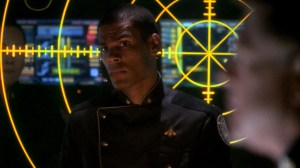
The series finale of Battlestar Galactica concluded with the remnants of humanity arriving on a primitive Earth and choosing to fly their entire fleet into the sun. This decision was divisive because the characters abandoned all advanced technology and medicine after four years of fighting for their survival. Critics argued that this move felt like a narrative convenience to explain why no traces of their civilization remained in the modern world. An additional episode could have focused on the immediate hardships the survivors faced as they attempted to build shelter and find food without the aid of their ships. By showing the high mortality rate and the physical toll of primitive labor on characters like Lee Adama (Jamie Bamber), the show could have justified the weight of their sacrifice. This extra hour would have provided a much-needed bridge between the destruction of their old lives and the quiet peace of their final destination.
1) Game of Thrones

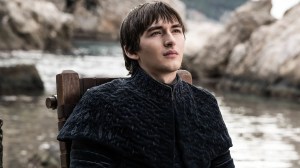
The conclusion of Game of Thrones remains divisive because it prioritized mechanical plot resolution over the emotional and political logic established in previous seasons. Critics argued that the sudden transition from the murder of Daenerys Targaryen (Emilia Clarke) to a sunny council meeting weeks later robbed the story of its stakes. The finale failed to depict the immediate volatility of King’s Landing or the logistical nightmare of managing a foreign occupying force like the Unsullied. A single additional episode set after the finale could have provided the necessary breathing room to justify the new status quo. This extra hour would have focused on the practicalities of Bran Stark (Isaac Hempstead Wright) ruling a fractured continent while the remaining Great Houses adjusted to an elective monarchy. By showing the friction between the newly independent North and the other kingdoms, the show would have grounded the fantasy elements in the harsh realities of governance. This epilogue would have transformed a rushed exit into a reasoned study of power, ensuring that the heavy sacrifices of the war led to a functional world.
Which television finale do you think was the most in need of an extra episode to fix its story? Leave a comment below and join the conversation now in the ComicBook Forum!
Most Viewed
-

Courtesy of Sony Pictures Animation / McDonald's -

Courtesy of TOHO Animation