Established in 1993 under the leadership of Karen Berger, the Vertigo imprint revolutionized the comic book industry by providing a dedicated space for adult-oriented narratives that defied the constraints of the traditional Comics Code Authority. This editorial freedom allowed for the development of groundbreaking titles like The Sandman and Hellblazer, which utilized the existing DC pantheon to explore philosophical, occult, and postmodern themes. These stories pushed the boundaries of mature storytelling, moving away from capes and tights to investigate the fragility of the human condition and the surreal architecture of the subconscious. Furthermore, the imprint became a laboratory for experimental structures, housing gems like The Invisibles that challenged the very nature of the sequential medium— The Insisibles, by the way, which is arguably impossible to replicate in any format other than the printed page.
Videos by ComicBook.com
While the Vertigo brand was eventually retired in favor of the DC Black Label, the imprint’s legacy has seen a significant resurgence in recent years. For instance, the 2024 Vertigo revival led to James Tynion IV’s critically-aclaimmed The Nice House on the Lake. This interest in the brand also follows the successful, if occasionally divisive, screen adaptations of properties like Preacher and Y: The Last Man. Additionally, the upcoming V for Vendetta series currently in development at HBO under the guidance of James Gunn and screenwriter Pete Jackson suggests a continuing appetite for Vertigo’s comics. Fortunately, Vertigo still possesses a deep catalog of original properties that are uniquely suited for the prestige television format.
5) Scalped

Created by writer Jason Aaron and artist R.M. Guéra, Scalped is a sixty-issue crime saga set on the fictitious Prairie Rose Indian Reservation. The plot centers on Dashiell Bad Horse, an undercover FBI agent who returns to the Oglala Lakota community he abandoned years earlier to investigate the local crime lord and tribal chairman, Lincoln Red Crow. The narrative functions as a sprawling noir that examines the intersection of systemic poverty, organized crime, and indigenous identity. This serialized structure allows for a dual focus on the immediate tension of the undercover operation and the historical trauma affecting the reservation’s inhabitants.

The gritty realism of Scalped and shifting character perspectives make the material particularly interesting for TV. WGN America even produced a pilot for a television adaptation in 2017 with Alex Meraz in the lead role, though the network opted not to move forward with a full series order. Despite this failed attempt, the depth of the source material remains untapped, offering a visceral look at the clash between modern legal systems and tribal sovereignty.
4) Transmetropolitan
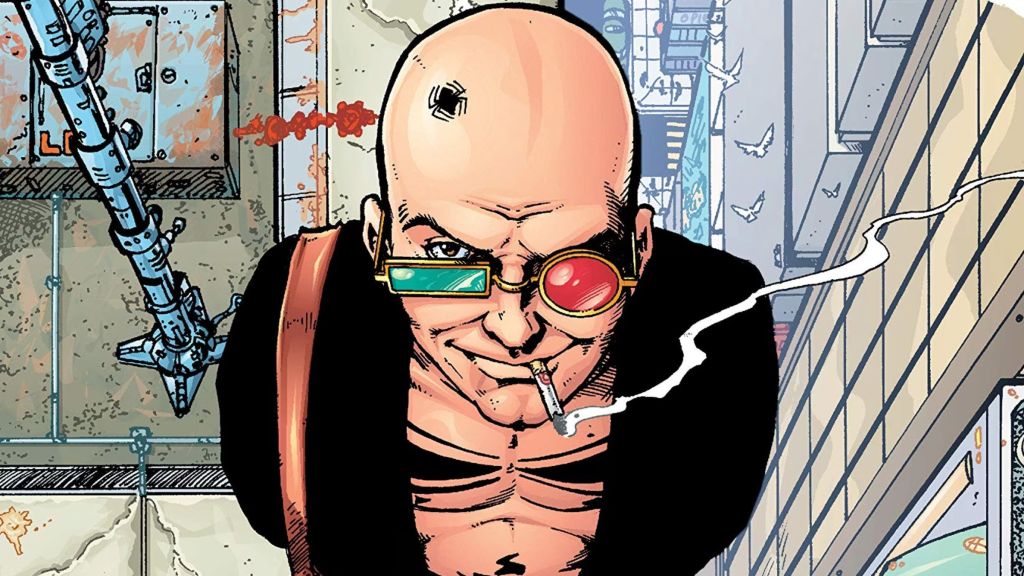
Transmetropolitan depicts the chaotic life of Spider Jerusalem, a gonzo journalist who returns to a sprawling, cyberpunk metropolis known simply as The City to battle systemic corruption and authoritarianism. Created by Warren Ellis and Darick Robertson, the comic utilized its futuristic setting to offer a blistering critique of consumerism, religion, and the media industrial complex. The series is remarkably well-suited for a prestige streaming format due to its episodic investigative nature and its vivid, grotesque visualization of a decaying society. This setting allows for a rotating cast of societal outliers and political villains, providing a rich foundation for high-concept world-building and dark satire.
Despite the enduring popularity of Transmetropolitan, no official adaptation has entered production, partly due to the high costs associated with depicting the high-tech squalor of The City and the controversial nature of the source material. However, the current cultural climate, defined by political polarization and digital misinformation, makes the abrasive truth-seeking of Spider Jerusalem feel more relevant than ever before.
3) We3
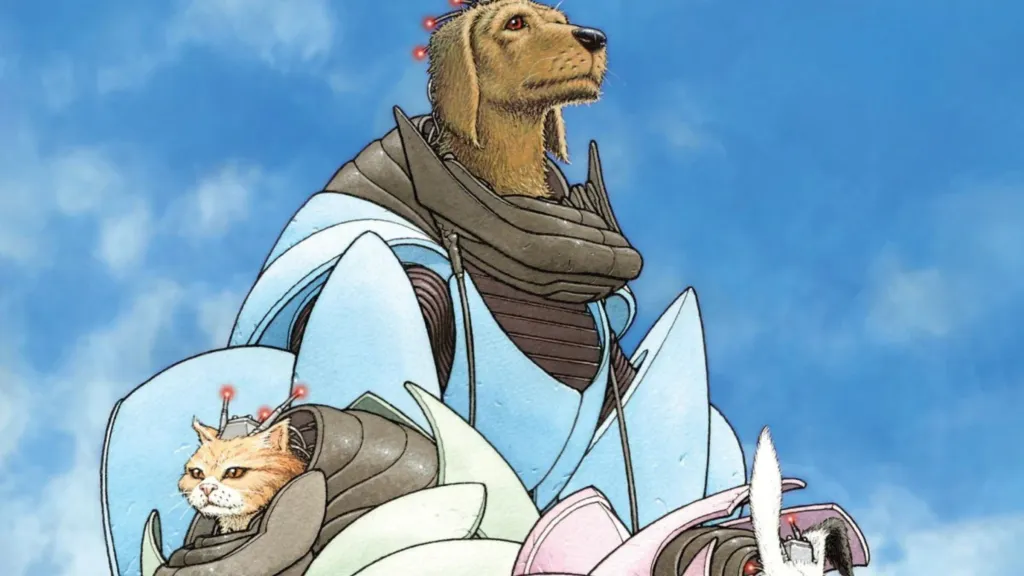
We3 is a heartbreaking and visually innovative miniseries by Grant Morrison and Frank Quitely that chronicles the escape of three domestic animals—a dog named Bandit, a cat named Tinker, and a rabbit named Pirate—who have been weaponized by a clandestine government program. Outfitted in cybernetic exoskeletons, the trio navigates a brutal landscape while being hunted by the military that created them. The narrative relies on a unique visual language and minimal dialogue, focusing instead on the emotional bond between the animals, which offers a poignant exploration of dehumanization and animal rights.
James Gunn has cited We3 as a primary influence for his work on the animals in Guardians of the Galaxy Vol. 3, and Seth Rogen has reportedly discussed the possibility of an adaptation with Morrison. The series could thrive as a limited television event or a high-budget feature, utilizing advanced practical effects and digital animation to convey the visceral reality of sentient weapons searching for the concept of home. This high-stakes survival story provides a concise and powerful narrative arc that fits the modern prestige miniseries template perfectly.
2) Fables
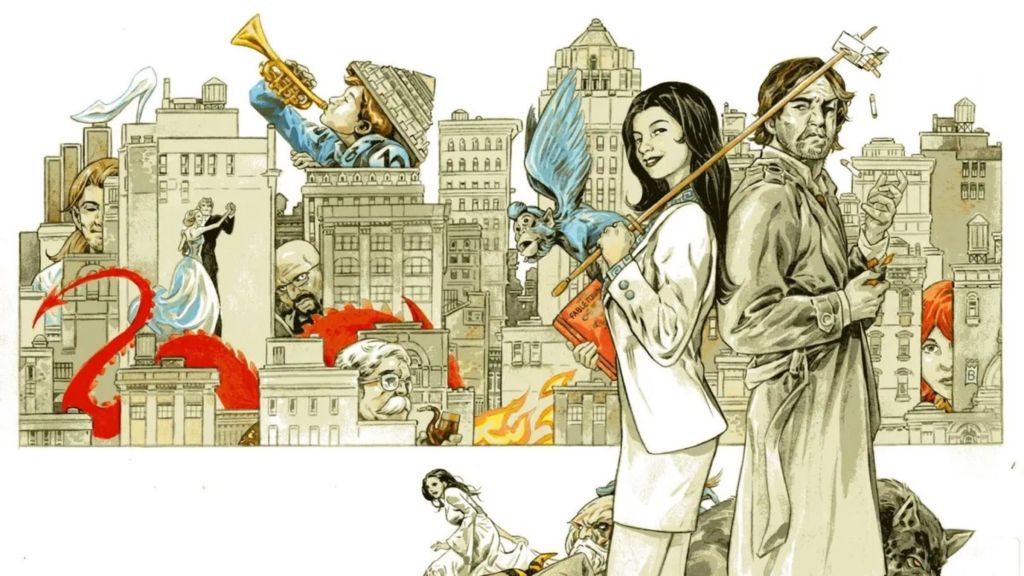
Bill Willingham’s Fables reimagines classic folklore characters as refugees living in secret within modern-day New York City after their homelands were conquered by a mysterious Adversary. The series centers on Bigby Wolf, the former Big Bad Wolf who now serves as the sheriff of Fabletown, tasked with maintaining order among a diverse community of immortals. The expansive mythology of the series, which ran for 150 issues, offers a nearly limitless supply of narrative material ranging from noir detective stories to epic high-fantasy warfare. This narrative versatility makes Fables a prime candidate for a multi-season television drama that could explore the deep backstories of individual characters while advancing a central mystery.
While Warner Bros. has attempted to develop a feature film adaptation in the past, and the property saw a successful video game adaptation in The Wolf Among Us, a television series remains the most logical format for its sprawling cast. The success of similar concepts in mainstream television suggests that an R-rated, faithful adaptation of the dark and complex world of Fables would resonate with a global audience.
1) 100 Bullets
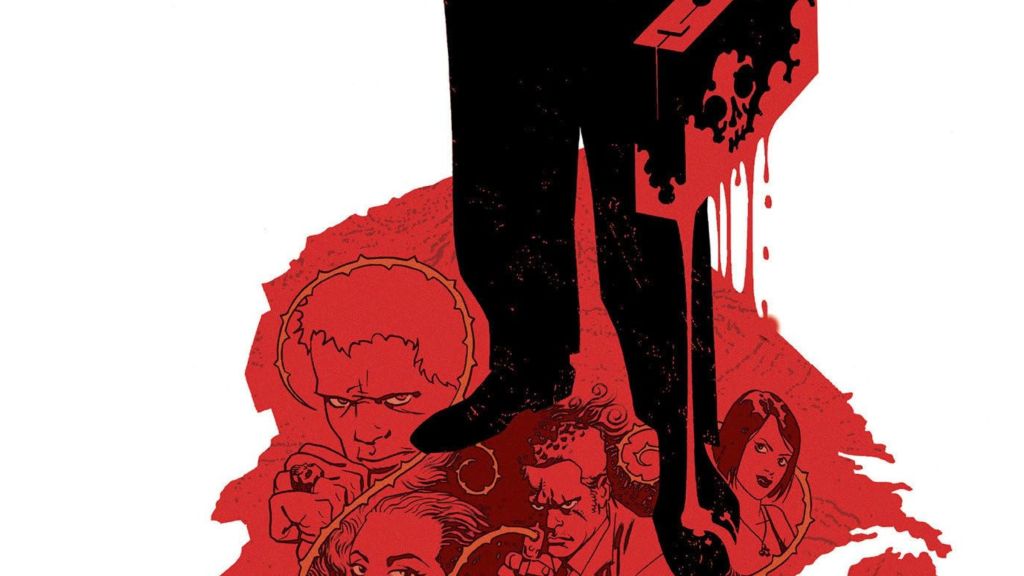
100 Bullets is a seminal noir series created by Brian Azzarello and Eduardo Risso that begins with a simple premise: a mysterious man named Agent Graves approaches individuals who have been wronged and offers them a briefcase containing a handgun and 100 untraceable bullets. What starts as a series of disconnected moral parables eventually evolves into a massive conspiracy involving an ancient organization known as The Trust and their enforcers, the Minutemen.
The anthology-style beginning of 100 Bullets is tailor-made for the television format, allowing for character-driven episodes that gradually reveal the larger geopolitical conflict. David S. Goyer previously attempted to develop a television adaptation for Showtime, but the project was ultimately canceled during the development phase. With the 2026 relaunch of the comic line featuring the new series 100 Bullets: The US of Anger, the brand is currently in the public eye, presenting a prime opportunity for a streaming service to pick up the mantle.
Which of these Vertigo properties do you think has the most potential to become the next prestige television hit? Leave a comment below and join the conversation now in the ComicBook Forum!
More TV Shows
-
Image Courtesy of Marvel -

Image Courtesy of Prime Video -
Image Courtesy of The CW -
Courtesy of 20th Television Animation / Hulu -

Courtesy of 20th Television Animation / Hulu