From the start, Stranger Things was sold as a show about monsters, ’80s nostalgia, and big, epic moments, right? But none of that would have worked without the cast. In many scenes and sequences, especially when the writing went overboard or lost its way (and that happened more than a few times), it was the performances that kept the show standing. Some actors grew alongside the story, which was genuinely rewarding to watch; others shone in a more concentrated way during a specific season; and some were held back by narrative choices that never did justice to the talent involved. Still, looking at the series as a whole, it’s more than clear that certain performances carried far more weight than they’re usually given credit for.
Videos by ComicBook.com
So, taking into account real impact, evolution across all five seasons, use of screen time, and, most importantly, how much each actor managed to elevate the material they were given, we put together a list of the 5 best performances in Stranger Things. The cast is massive, and narrowing it down wasn’t easy, but yes, some performances stood out in a big way.
5) Winona Ryder (Joyce Byers)
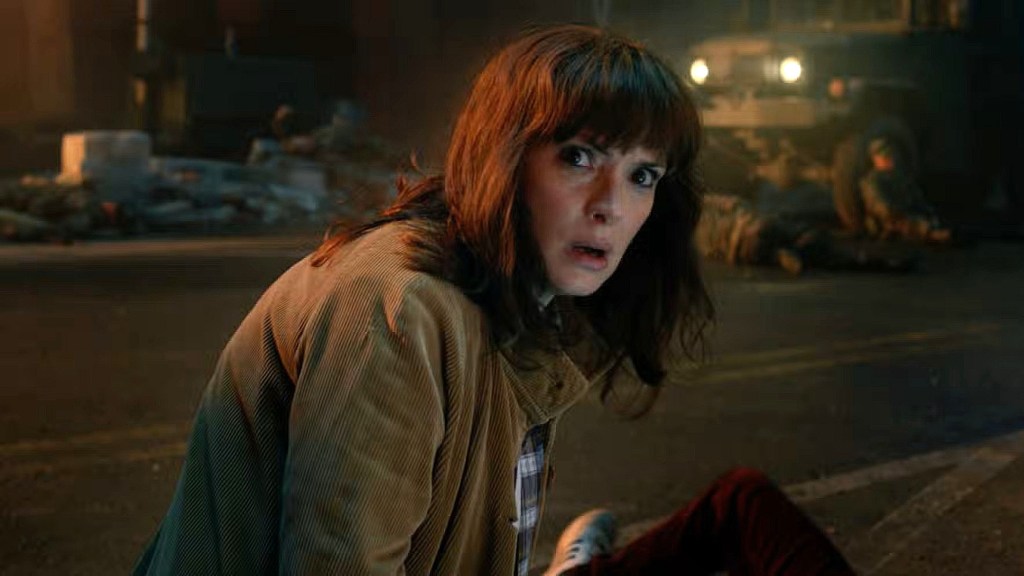
At first glance, Winona Ryder may not seem like one of the most standout performers in Stranger Things as a whole, but that’s only because her character was never written to carry the entire series. When you look at the core of the story, though, Ryder was essential to making everything work from the very beginning. And that’s not an exaggeration, because if Joyce hadn’t felt so believable in Seasons 1 and 2, the entire show could have collapsed. The actress sells the panic of an ordinary mother facing something completely inexplicable, without turning it into empty hysteria. She makes the audience buy into that absurd world because Joyce believes in it with everything she has.
However, when looking at the bigger picture, the character ended up stuck in a practical role: solving problems, moving the plot forward, and being in the right place at the right time. She does regain some prominence when the adult storyline is more clearly defined in Season 4, and it becomes obvious that Ryder never “forgot” how to act — she just stopped being challenged by the writing. Compared to performances that grew and surprised over time, Joyce ultimately falls behind. Still, when it comes to what the role allows her to give, Ryder commits fully and effortlessly, helping everything feel even more real.

4) Dacre Montgomery (Billy Hargrove)
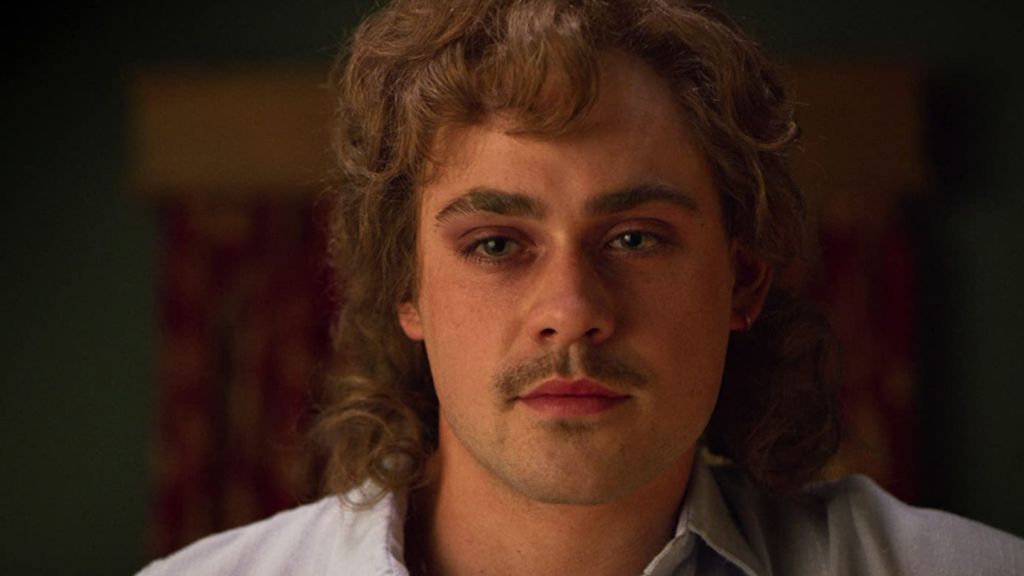
Billy could have easily ended up as one of the worst characters on the show: shallow, loud, and just another generic bad-boy bully. But Dacre Montgomery didn’t let that happen. From his very first appearance in Season 2, he gives the character an aggressive, uncomfortable physicality that actually makes sense within the story. Billy never walks into a scene to be likable; he’s there to throw everything off balance. Still, his arc gains far more depth in the following season, once he’s possessed by the Mind Flayer — and that’s when he becomes, to this day, one of the most underrated performances in Stranger Things (and easily one of the strongest in the entire show as well).
Montgomery turns Billy into a completely tragic figure. You can clearly see the menace coming through his eyes and posture, whether the scene demands outright intimidation or a quieter, more unsettling kind of violence. At the same time, it’s striking how visible the pain is — always present, but never used as an excuse. The character may have had limited screen time, but it’s impressive how completely Montgomery manages to steal the spotlight and leave a lasting impact (especially in Billy’s death scene). It’s the kind of performance that proves presence matters far more than the amount of time a character gets on screen.
3) Sadie Sink (Max Mayfield)

A lot of people argue that Sadie Sink isn’t technically one of the strongest actors on Stranger Things, but one thing is undeniable: she essentially carried Season 4 on her shoulders. Max becomes the emotional center of the story to such an extent, and Sink gives everything she has to convey the weight of the character’s past experiences and personal history. It’s a straightforward, painful, and extremely effective performance — and that alone makes it stand out, because she executes it really well. Max’s grief, guilt, and isolation never feel forced; everything comes across as internalized, heavy, and constant, not just in the big moments, but in the smaller reactions as well.
The issue, however, is that the show builds Max into something huge and then doesn’t quite know what to do with her afterward. The performance is simply too strong for an arc that doesn’t continue with the same level of ambition, and that’s also why some viewers walk away feeling like Sink might not be one of the strongest performers in the cast overall. In the show’s final season, her performance ends up feeling wasted — even if it’s understandable that Max can’t physically be with the group in the Upside Down and the Abyss. Still, from a broader perspective, the impact of what she delivered is impossible to overlook.
2) Noah Schnapp (Will Byers)

Will is the emotional backbone of Stranger Things, and that requires knowing how to be impactful without being showy, vulnerable without overdoing it, and present even when the script tries to push the character into the background. It requires an understanding of silence, restraint, emotional timing, and small reactions. Noah Schnapp does exactly that throughout the entire series. From Season 1, he was given material far too heavy for a child actor, and he never once feels out of control. That’s genuinely surprising when you consider how deeply he understands the character on multiple levels and manages to convey all of that without the benefit of a long career behind him. That’s talent. If Will hadn’t conveyed the effects of his connection to the Upside Down as effectively as he did, the show’s horror wouldn’t have carried the same weight over time.
And what’s compelling is watching Schnapp grow alongside the character: as the series progresses, he replaces overt terror with a more restrained, mature, and far more demanding performance style. Will feels deeply but speaks very little, and the actor knows exactly how to communicate that without underlining the emotion. Even when the writing sidelines him, Schnapp finds ways to keep the character emotionally present. Then, in the final season, the impact lands hard in standout moments — whether it’s Will unlocking his powers or entering Vecna’s mind to save Max and Holly. The performance feels grounded and hits with a chilling intensity.
1) Jamie Campbell Bower (Vecna/Henry Creel)
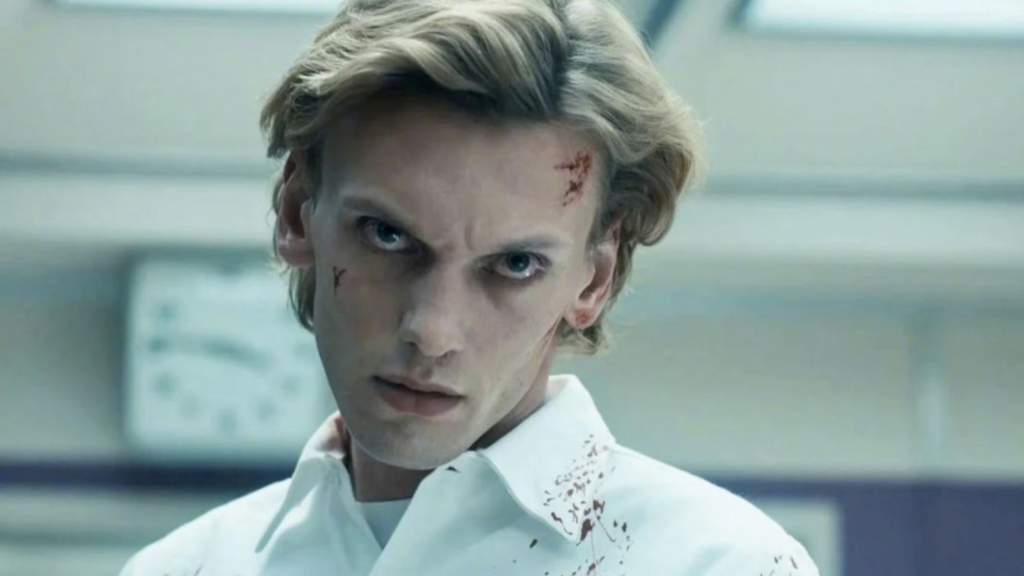
This is Stranger Things‘ big reveal. Jamie Campbell Bower pulled off something that seemed unlikely: he made Vecna interesting beyond the visuals. Introduced at the start of Season 4 as the show’s main villain, the character could have easily ended up as just another stylish threat. Instead, Bower brings an incredibly precise level of control, intention, and an almost uncomfortable screen presence. He speaks very little, moves with calculation, and never feels disconnected from the show’s mythology. What’s even more impressive is that he manages to be just as terrifying as Henry Creel without saying a word — using nothing but a gaze loaded with exactly the intensity the scene requires.
When the mask comes off during his conversation with Eleven, Bower doesn’t radically shift his performance — he fine-tunes it. The coldness was already there, but it becomes something much bigger without relying on exaggerated posture or tricks. It’s a subtle change, yet it completely transforms everything in a matter of seconds. That nuance is pushed even further in Season 5, especially in the memory sequence where Henry recalls opening the briefcase himself. He goes from pure hatred to a kind of sadness so striking that the audience finds itself sympathizing with him almost against its will. Bower naturally draws all the attention. It’s impressive enough that many believe he deserved to win an award.
What do you think? Leave a comment below and join the conversation now in the ComicBook Forum!
Most Viewed
-
Courtesy of Sony Pictures Animation / McDonalds -

Courtesy of Sony Pictures Animation / McDonald's -

Images courtesy of Warner Bros. Pictures -
Image Courtesy of Netflix -

Image courtesy of The Pokemon Company