Few networks in television history have maintained the cultural footprint that HBO commands. The past year alone constituted a near-uninterrupted victory lap for the premium network, driven by the Emmy-winning medical drama The Pitt, the viewership records of the second season of The Last of Us, and the critically acclaimed return of The White Lotus. The upcoming HBO slate is designed to underline this dominance. A Knight of the Seven Kingdoms launched the year as another flagship Game of Thrones expansion, while House of the Dragon returns for its third season this August. In addition, Euphoria finally arrives for its long-delayed third and final season in spring, and DC’s Lanterns represents one of the network’s most ambitious genre gambles in years.
Videos by ComicBook.com
While HBO has gained the trust of the audience, several of the network’s most celebrated dramas did not arrive fully formed. In some cases, the first season of a great TV show generated confused critical responses and modest ratings. Yet, with HBO betting on the long game and letting the series win audiences over time, these shows rewarded viewers with groundbreaking storytelling, proving that creative ambition sometimes required more time to crystallize on screen.
5) Six Feet Under

Alan Ball’s Six Feet Under centers on a Los Angeles family that operates a funeral home. The premise generated curiosity but also a first season marked by tonal inconsistency, as Ball struggled to balance the show’s mordant humor with the genuine grief at its core. As a result, individual episodes often felt disconnected, and the Fisher family dynamics, particularly the erratic behavior of Nate (Peter Krause), struck early viewers as irritating rather than sympathetic. The ratings were respectable, but the cultural footprint was minimal. However, what emerged over the following four seasons was a meticulously constructed examination of mortality, repression, and the generational transmission of dysfunction that stands as one of television’s most emotionally complete achievements. The series finale, in particular, remains the most widely cited example of how to properly conclude a long-form drama.
4) Deadwood
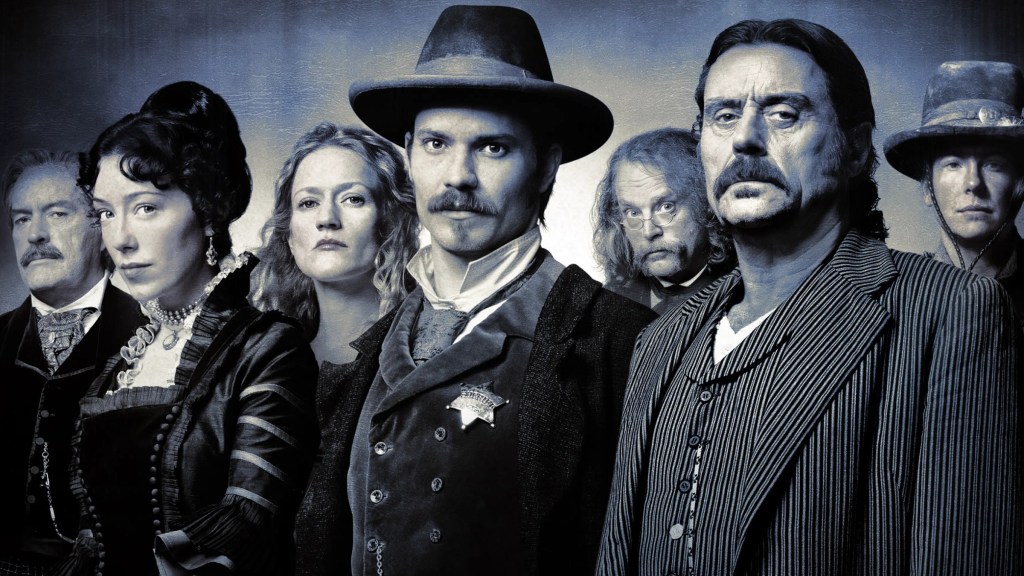
Deadwood is confronted with dense, anachronistically written dialogue layered over the filth and violence of a 19th-century South Dakota mining camp. The 2004 premiere required viewers to recalibrate their expectations entirely, abandoning the standard Western shorthand in favor of language that felt closer to Shakespeare than John Ford. Furthermore, the slow pacing of political intrigue between Al Swearengen (Ian McShane) and Seth Bullock (Timothy Olyphant) frustrated audiences conditioned to faster narrative payoffs, and the early ratings reflected that friction. By the second season, Deadwood had constructed one of television’s most sophisticated arguments about the formation of civilization and the corruption that inevitably accompanies it. McShane’s Swearengen in particular became one of the medium’s best antiheroes, a figure whose savagery and pragmatic governance existed in constant tension. In the end, Deadwood‘s cancellation after three seasons remains one of HBO’s most criticized decisions.
3) The Leftovers
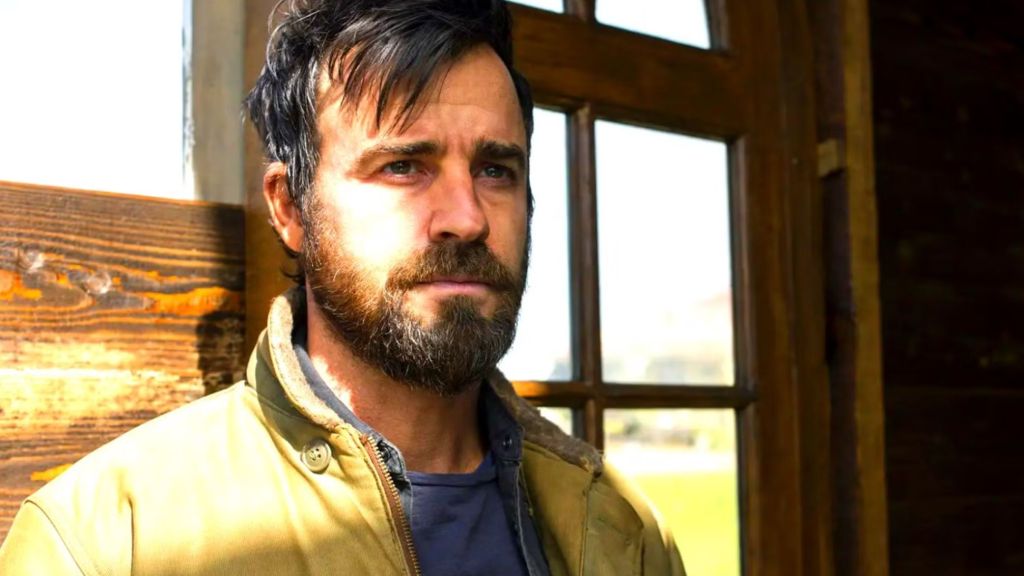
The Leftovers‘ first season struggled to convince a broader audience of the show’s potential before subsequent installments cemented its place in TV history. Its premise, centered on a town coping with the inexplicable disappearance of two percent of the global population, was inherently resistant to resolution, and the first season leaned hard into a relentless grief that many viewers found punishing rather than profound. As a result, the critical response was respectful but cautious, and the HBO audience never materialized in substantial numbers. The decision to relocate the narrative to a fictional Texas town for Season 2 represents one of the boldest structural pivots in recent television history, which ultimately unlocked the Aries’ potential. Season 3 escalated further into surrealist territory and concluded with a finale widely regarded as one of the best single episodes in HBO’s catalog. The Leftovers is now a standard reference point in conversations about grief, faith, and the limits of rational explanation.
2) Succession
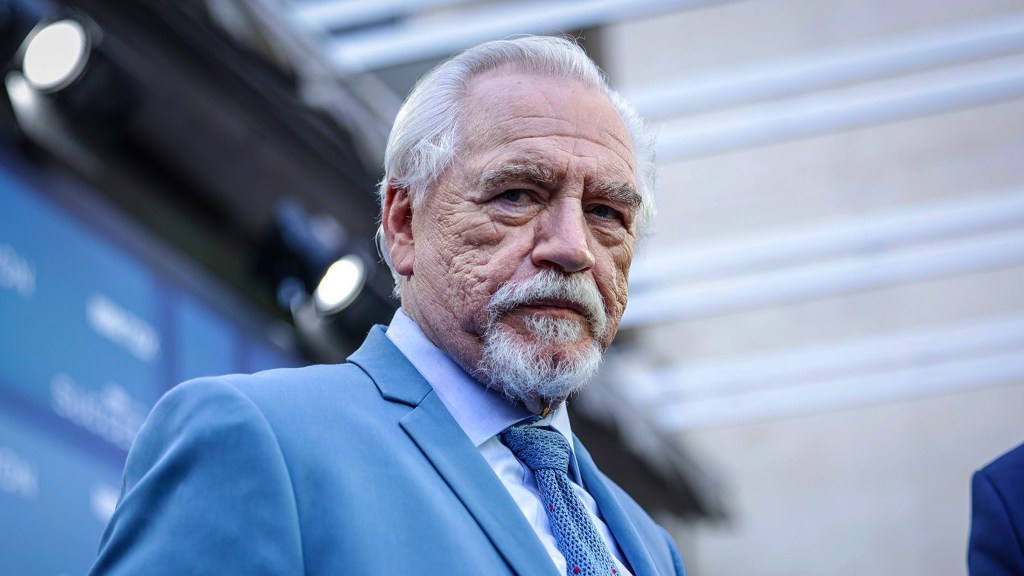
The first season of Succession generated positive reviews, but the central premise, a family power struggle built around characters of near-total moral bankruptcy, struck a significant portion of early viewers as too cynical to sustain emotional investment. The ratings placed it firmly in the middle tier of HBO’s drama slate, and the renewal for a second season was not treated as a major event. Fortunately, Season 2 completely dissolved that skepticism. The accumulation of shame, betrayal, and weaponized intimacy that showrunner Jesse Armstrong had been building revealed itself as one of the most precise dissections of inherited wealth and psychological damage that television has produced. By Season 3, Succession had become the defining cultural drama of the early 2020s, generating the kind of episode-by-episode analysis previously reserved for Breaking Bad and Mad Men.
1) The Wire
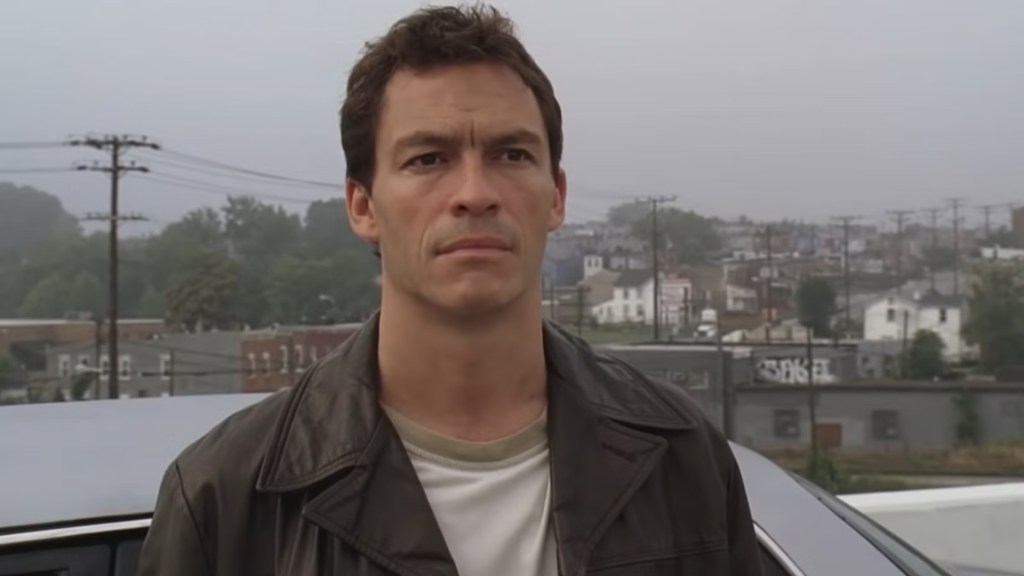
David Simon’s The Wire is now routinely cited as the greatest television drama ever produced, a designation that makes its original reception almost impossible to explain. The 2002 premiere drew low ratings and a critical response that acknowledged the show’s ambitions while expressing reservations about its pace, which was simply too demanding for audiences trained on the procedural rhythms of network crime television. The Wire never became a ratings success during its five-season run. Its elevation to canonical status happened almost entirely in retrospect, driven by DVD circulation and the gradual realization among critics and television writers that The Wire‘s structural model, which used each season to indict a different institution of urban American life, had produced something closer to a sociological document than a conventional drama. Every season deepened the framework that the first had quietly constructed, which is the clearest possible evidence that a slow start is sometimes just a foundation being laid.
Which HBO drama demanded the most patience before it won you over completely? Leave a comment below and join the conversation now in the ComicBook Forum!
Most Viewed
-

Images courtesy of TriStar Pictures and Warner Bros. Pictures -

Image courtesy of Marvel Television