The sci-fi genre is built on a foundation of remarkably imaginative ideas, and that often shines through in its TV shows. Science fiction has long been one of the most successful genres on the small screen, with TV shows like The Twilight Zone and Star Trek: The Original Series pioneering sci-fi stories in episodic formats. The best sci-fi TV shows often leave a mark on wider pop culture, delivering stories that take root inside their audiences’ memories by perfectly executing their respective premises. To do so, this often requires the world depicted in those shows to be carefully and meticulously crafted by the creative team behind the production.
Videos by ComicBook.com
The notion of world-building has been a key part of successful speculative fiction for some time, and it perhaps applies even more greatly to TV projects. Buying into a show long-term often requires the audience to feel some connection not just with its characters, but with the continuity it takes place in. Even the best TV show character arcs can fall flat if the setting doesn’t work, so it’s perhaps no surprise that convincing world-building can be vital for the success of some shows.

5) The Man in the High Castle

The Man in the High Castle is one of many adaptations of the works of iconic sci-fi author Philip K. Dick. Boosted by the presence of Ridley Scott as an executive producer, The Man in the High Castle has often been considered one of the most underrated sci-fi shows of recent years. The series follows the story of a parallel universe in which the Axis powers of Nazi Germany and the Empire of Japan rule the world after winning World War II.
The alternate history story lends The Man in the High Castle an easy boost when it comes to world-building. As many of the events surrounding World War II and its end are well-known to most audiences, the show’s subversion of certain ideas and speculative glimpse at a different reality seems all the more engaging. Of course, some of the credit should also be shared by Dick, whose imagination brought the story to fruition in the first place.
4) The Peripheral

Though The Peripheral has been remembered as a sci-fi TV show plagued by behind-the-scenes drama, it deserves so much better. The sci-fi series is loosely based on William Gibson’s book of the same name, and was produced by Westworld creators Jonathan Nolan and Lisa Joy. It is set concurrently in 2032 and 2099, and follows a gamer navigating a society that has been subtly changed by the advent of new technology.
While The Peripheral didn’t get enough of a chance to truly shine during its too-short run, the show immediately established some excellent world-building. Its depiction of both a near-future and a more speculative vision of a world further removed from our own was fascinating and proved pretty gripping. Sadly, the show was cancelled before it could further explore the world, but it remains a great example of how to build an engaging sci-fi setting.
3) The Expanse
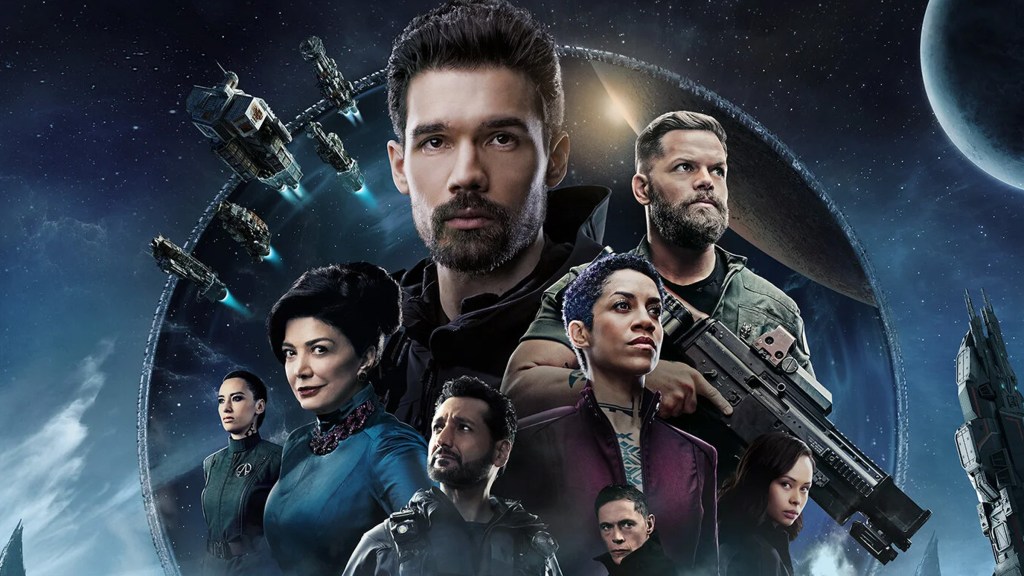
There are very few TV shows that can boast the success of The Expanse, especially within the science fiction genre. Hailed by many as a masterpiece sci-fi TV show, The Expanse is set in a future in which humanity has colonised the Solar System, and follows various characters as they deal with unforeseen crises brought about by the discovery of new alien technology. The show was famously saved from cancellation twice due to its popularity, proving just how beloved it is by sci-fi fans.
Based on James S. A. Corey’s novel series of the same name, The Expanse was able to draw upon a rich vein of written source material. This saw its world come to life in sprawling, breathtaking fashion, adequately communicating the incredible scope of its narrative. In many ways, The Expanse‘s world-building even outshines its characters, who are also incredibly compelling in their own right.
2) Fallout
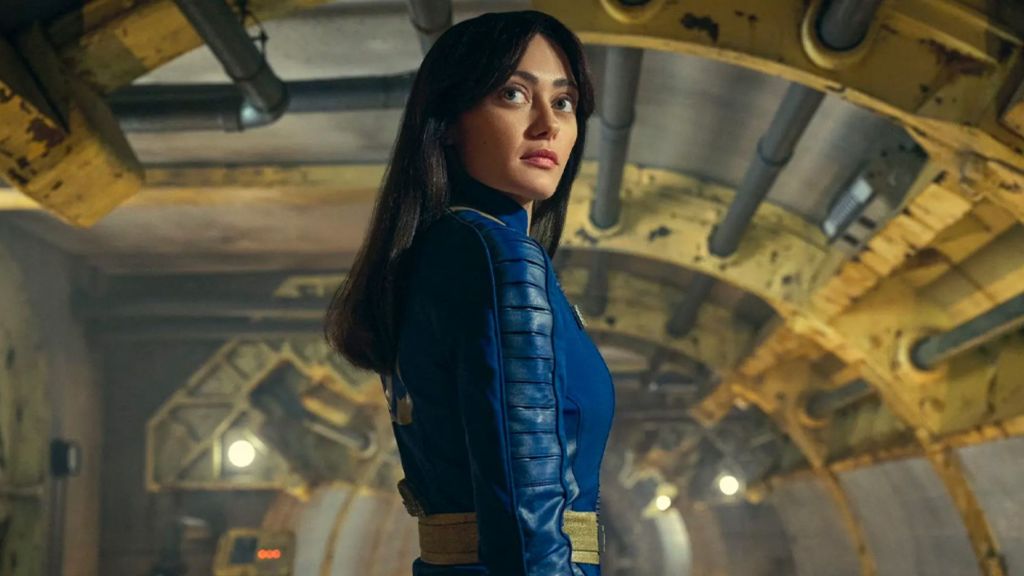
There are many video game franchises that could make great TV shows, but Fallout has proven to be a stand-out example. While live-action video game adaptations have often struggled to live up to their source material, Fallout is one example of a show that bucked the trend. Set in an alternate future in which the Earth has been devastated by nuclear war, Fallout concerns the lives of several characters within its quirky, retro-futuristic dystopian wasteland.
Naturally, Fallout had a wealth of video game lore to draw upon, making its world-building simpler for its creative team. However, the vibrancy and humor with which the show executed that task are highly commendable, and it therefore deserves massive praise. Fallout perfectly captured the spirit of its video game source material while also establishing a lived-in, magnetic world of chaos perfect for both long-time fans of the franchise and total newcomers alike.
1) Star Trek: The Original Series
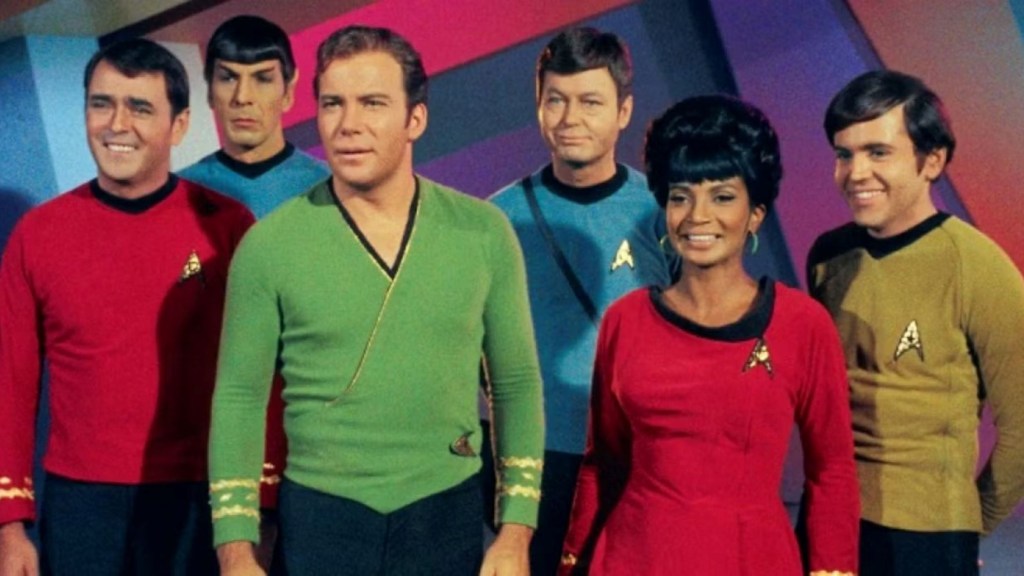
There are only a select few sci-fi shows that can claim to have changed the world, and Star Trek: The Original Series is one of them. First airing in 1966, the show followed the crew of the USS Enterprise as it explored the furthest reaches of space. It’s fondly remembered today as the show that started one of the best sci-fi franchises in existence, but that wouldn’t have been possible without its outstanding world-building.
Star Trek: The Original Series painted a picture of a potential future for humankind characterised by hope and understanding. Considering the prejudices of the time, that alone remains noteworthy, but the many planets, alien species, and elements of Starfleet that the show introduced fleshed out its story in a way few other TV shows had ever attempted. It’s an early example of exceptional world-building, and one that spawned a behemoth franchise which remains ever-present on our screens even six decades later.
What do you think? Leave a comment below and join the conversation now in the ComicBook Forum!

![Lanterns Season Finale Is a Muted Conclusion, But With Satisfying Storytelling [REVIEW]](https://comicbook.com/wp-content/uploads/sites/4/2026/10/Lanterns-finale-review.jpg?w=300)