In 2009, the Star Trek franchise introduced a compelling new idea: an alternate universe caused by a quantum reality shift that had its own, divergent timeline. The Kelvin Timeline offered new storylines for classic characters such as Kirk and Spock, and fantastic opportunities for new directions to go in.
Videos by ComicBook.com
Unfortunately, Paramount backed away from the idea, and in 2025 shelved it altogether. This is especially unfortunate because the Kelvin timeline did several things better than other eras of the franchise and represented an exciting departure from the original storyline that will never be finished now.
5) Being a Starfleet Officer Was Higher-Stakes Than Ever

While every era of Starfleet officers has faced life-or-death situations, the Kelvin timeline upped the ante considerably. The USS Kelvin’s brutal destruction and George Kirk’s sacrifice were unforgettable, powerful, and devastating.

Conversely, most of Star Trek focuses on the space exploration aspect of working for Starfleet, with armed conflicts and attacks being recurring subplots rather than the main theme. Offering higher-stakes storytelling allowed for a more emotionally intense experience than any era before or since.
4) Its Balance of Nostalgia and New Material Was Superb

The Next Generation reimagined Star Trek, and without that, there would be no franchise. However, the Kelvin movies took this idea a step further. Instead of restocking the Enterprise with more diverse and complex characters, it offered a reimagining of the original characters.
This was a risky move, as audiences might have felt the reinvented The Original Series characters were cheap imitations of the original. However, the Kelvin trilogy did the seemingly impossible by adding new layers to these beloved characters while still indulging the audience’s nostalgia for past eras.
3) It Elevated Uhura Into One of the Franchise’s Most Dynamic Characters
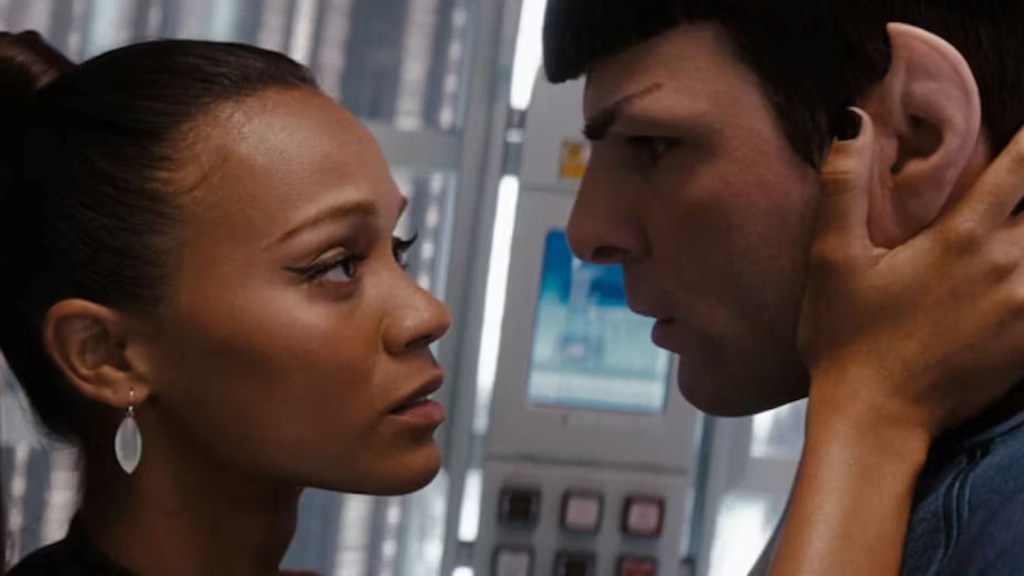
The original Uhura was groundbreaking by being a Black woman in an important position on the Enterprise, but the Kelvin version of Uhura had more depth and agency than almost any character in the franchise.
This version of Uhura went places that the original couldn’t because of the limitations of the time period. She was not only a gifted linguist but also one of the crew’s emotional anchors who had a complex relationship with Spock — all of which she accomplished without sacrificing her competence as an officer at all.
2) It Modernized the Franchise Without Losing The Original’s Emotional Values

Many modern Star Trek series offer new, modern ships and special effects, but sometimes it feels as if the producers are going for edgy and technologically up-to-date more than they are using updated effects to tell the same types of stories that Star Trek is known for.
The Kelvin era’s changes to the aesthetic didn’t have this problem. It offered updated sets and uniforms that fit the Star Trek brand perfectly. Color choices and lighting helped communicate the hopeful spirit that has always been behind every Star Trek story, and the visual look fit the franchise perfectly without seeming either too modern or too outdated.
1) It Offered More Character-Driven Storytelling Than Ever Before
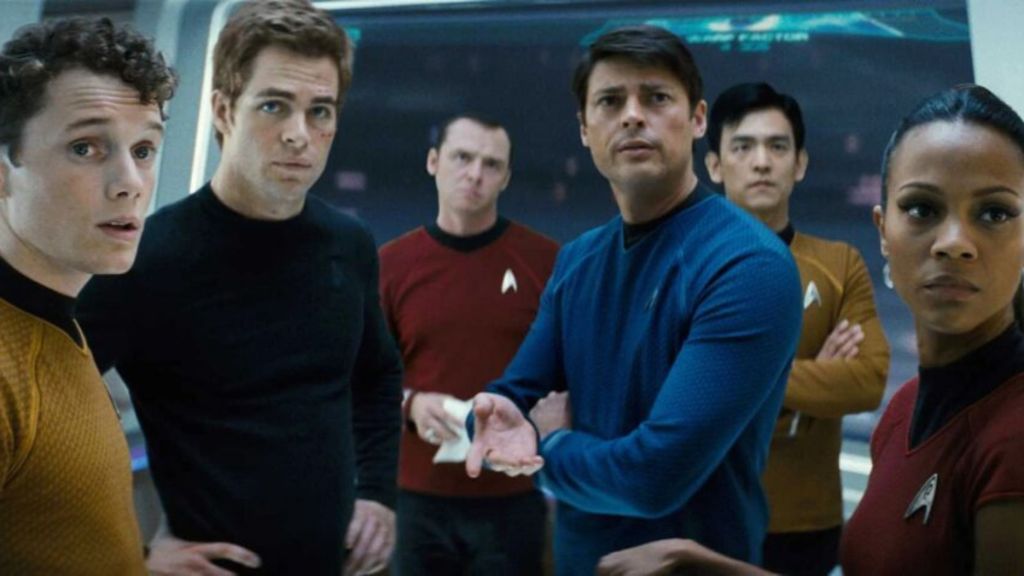
While strong characters have been at the heart of every Star Trek story, the Kelvin stories were thematically different. Many Star Trek stories were slower-paced and more intellectual than emotional, but the Kelvin films picked up the pace and jumped right into emotional storylines involving loss, loyalty, and identity.
Not only were these stories more emotionally intense than those offered in other eras, but they made the series accessible to newer audiences. People who previously thought Star Trek was only for sci-fi diehards suddenly found themselves interested, which was a strong positive that should have moved the needle more than it did when it came to continuing the Kelvin timeline.
What do you think the Kelvin era did best? Leave a comment and join the conversation at the ComicBook Forum.
Most Viewed
-

Images courtesy of TriStar Pictures and Warner Bros. Pictures