Not every TV show needs a flawless script to work or be entertaining, but there’s a very clear difference between a simplified story and a sloppy one. Some shows manage to survive on pure charisma, style, or impact, while others become harder and harder to defend once you start paying attention to how the story is actually built. When storylines start dragging on with no real direction, or when everything only moves forward because the writing forces convenient solutions, it becomes obvious that the script has stopped being a good structure and is just a loose support keeping the show going.
Videos by ComicBook.com
But that raises the question: how much does a good viewing experience actually depend on good writing? In this list, you’ll find 5 shows with weak writing that still managed to run for quite a while. They’re ranked from least bad to most disastrous.
5) Lucifer
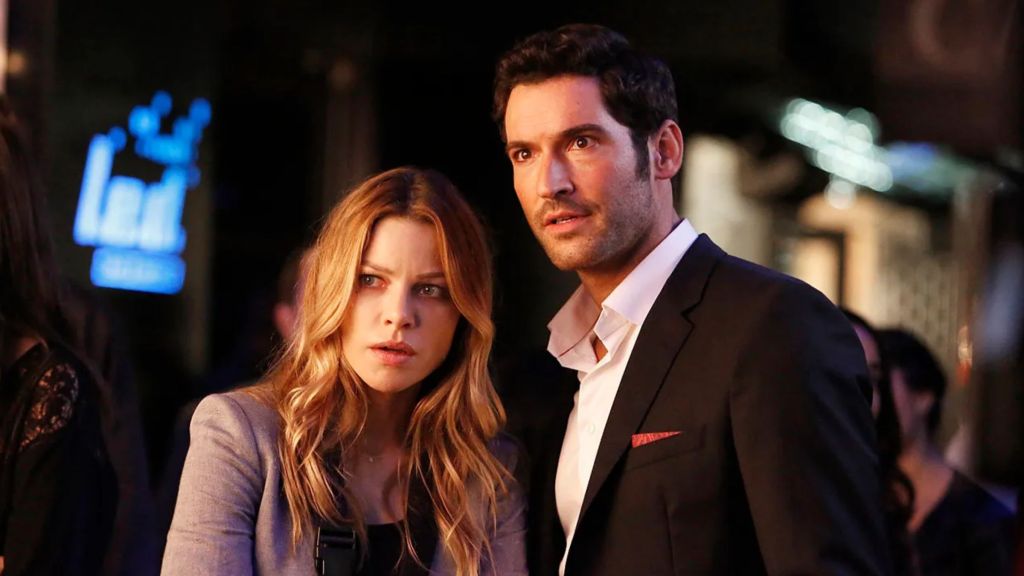
Overall, Lucifer is entertaining, and that’s what really matters for most people, right? But in terms of writing, it’s not actually that strong of a show. In theory, it should work, but it’s a bit inconsistent in its own internal logic. The story follows Lucifer Morningstar (Tom Ellis), the Devil, who abandons Hell and moves to Los Angeles, where he starts helping the police solve murders. It’s a hybrid format, with each episode featuring a different case while an ongoing character-driven narrative runs in the background.
The problem is that the investigations are very repetitive, and it often feels like there’s not much effort being put into building something more solid. The result is a sense that the writing is always going in circles, with no real progression. Plus, characters make decisions that feel like they exist more to serve a specific episode than to stay true to what’s been established before. And even when the show tries to lean into more emotional or deeper arcs, the writing doesn’t really keep up. Lucifer is light entertainment and not bad overall, but it could have been so much better.
4) Euphoria

What made Euphoria establish itself as one of the most popular series is its aesthetic and performances, but beyond that, the story can’t really sustain itself. The plot follows Rue (Zendaya), a teenager dealing with drug addiction while facing a series of chaotic relationships with other young people around her, but the point is that the narrative rarely stays as consistent as it promises to be. In the first two seasons, it might even work to some extent, but that’s more because of the ideas themselves rather than the control over them. There’s a lack of cohesion and focus here.
In short, Euphoria is ambitious, and that’s what grabs attention, but the problem is that this ambition often overrides character logic and the meaning of the arcs. Some episodes work really well on their own, but when you look at the bigger picture, it’s clear that a lot of things exist more for impact or aesthetic than for actual story construction. Season 3 is the biggest example of this, because it feels like a completely different show that has basically forgotten everything that was built before it.

3) The Flash
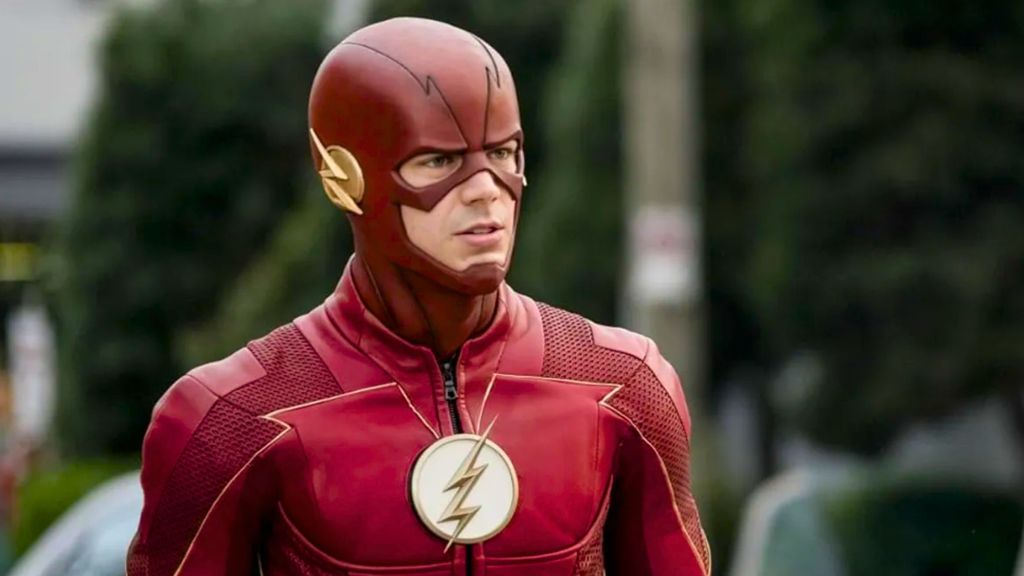
It’s a shame that The Flash ends up on this list, but the issue is that it started strong and gradually lost control of its own writing over time. The story centers on Barry Allen (Grant Gustin), a forensic scientist who gains super speed after an accident and becomes the hero of Central City. And the problem here is structure, since everything becomes way too predictable: a loop of season-long villains, personal drama, and a convenient solution at the end. There’s not much beyond that, so everything stays very basic and within a safe zone.
Besides, the show constantly contradicts its own rules, like Barry losing and regaining his powers depending on what the episode needs, plus characters making decisions that don’t really make sense and everything being clearly adjusted to fit whatever that specific episode requires. It starts to feel like The Flash just developed lazy writing. Compared to Euphoria and Lucifer, the show still follows a more traditional narrative structure, but it falls behind simply because it executes it much worse. Over nine seasons, that kind of inconsistency wears the whole thing down and makes it feel dull.
2) Riverdale

It’s hard to even describe Riverdale, because it’s basically one big mess that feels like the writers stopped caring about any commitment to coherence. The series throws in everything at once, mixing genres that appear out of nowhere and justifying tonal shifts that don’t really make sense. At the start, the story follows a group of teenagers dealing with the murder of a classmate in the seemingly quiet town of Riverdale. It clearly takes inspiration from Twin Peaks, and that’s what initially draws people in, but that only lasts for a short time before it turns into a chain of increasingly absurd ideas.
From there, the writing becomes unstable in a way that’s hard to find anywhere else on TV. We’re talking about a script where the rules change every time, characters get reinvented with zero explanation, and entire story arcs appear and disappear as if they never happened. And the show never really tries to fix itself. It sounds like an exaggeration, but it isn’t. Riverdale just keeps going and keeps doubling down on whatever is the most unhinged possible direction. It lands in the top 2 because it’s basically a fully uncontrolled narrative experience.
1) The Idol

The Idol takes the top spot because, from the very beginning, the writing was never really aligned with what the show seemed to be aiming for. It never feels like it knows what story it’s trying to tell. The premise follows Jocelyn (Lily-Rose Depp), a rising pop star who gets involved with a nightclub owner who starts controlling her career and influencing her personal and artistic life. In practice, what you get is a series that can’t decide whether it wants to be a satire of the pop industry or a drama about abuse and power dynamics. The question that keeps coming up is pretty simple: Is this supposed to be taken seriously or not?
And it’s not even just about tone; it’s more about the actual writing, like the dialogue and how the characters are built. There’s very little clarity, because everything gets lost in scenes that don’t really connect properly, lines that don’t sound natural, and decisions that exist more to shock than to actually add anything meaningful to the story. There’s no real depth in The Idol, so what you’re left with is a completely hollow narrative that feels designed to be provocative first and anything else second. It’s controversial from start to finish, and it really feels like that was the only goal behind the writing.
What do you think? Leave a comment below and join the conversation now in the ComicBook Forum!
More TV Shows
-
Screenshot from Shazam! -

Courtesy of Spelling Entertainment