Fantasy has always shone on TV, but at the same time, it’s always been a bit of a rollercoaster. Some shows blow up and become instant hits, while others arrive years before the audience is ready and end up getting canceled way too early. Between strange worlds, unique characters, and ideas that constantly pushed the boundaries, plenty of series went bigger than the era could handle — and suffered for it when they shouldn’t have. What ties them all together is a fearless willingness to take risks, and at least the upside is that they directly influenced some of the shows that came after (even if most of them ended up as hidden gems that only those who watched can truly appreciate).
Videos by ComicBook.com
Here are 7 fantasy TV shows that stood out for exactly that reason: they were weird, out of the box, and way ahead of their time. Some failed with audiences, others changed the way we think about the genre, but every single one of them proved what it means to be bold, innovative, and creative.
7) Galavant
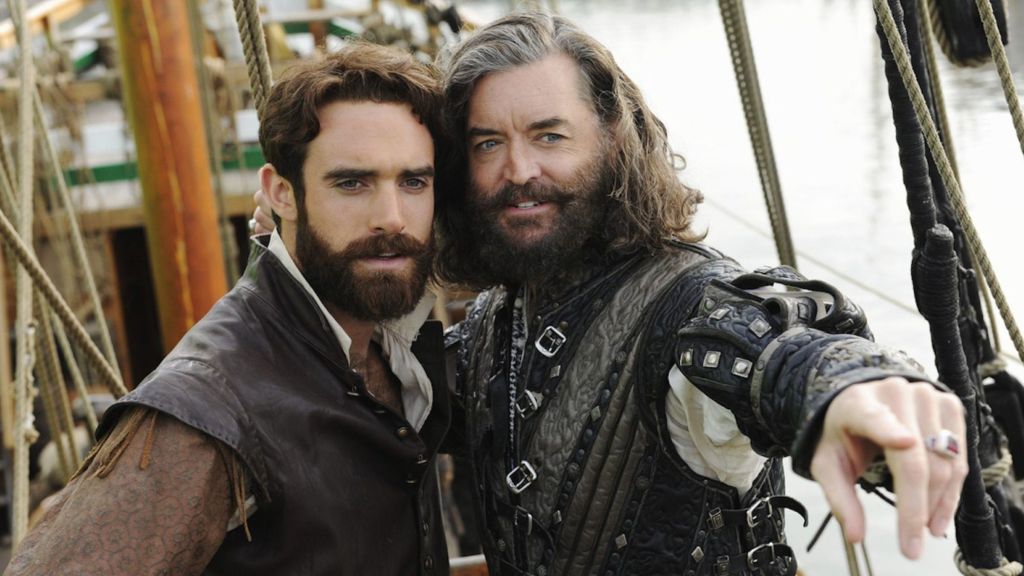
Hardly anyone has heard of Galavant, and that’s because it was seriously underrated before it got canceled. The story follows the knight of the same name (Joshua Sasse) on a quest for revenge against a king who ruined his life — but the show never takes itself too seriously. It’s the kind of hybrid nobody knew they needed, perfectly mixing comedy, musical, and medieval fantasy with clumsy heroes, ridiculous kings, and songs that ironically comment on the story itself. Today, it might seem simple, just a quirky and fun watch on streaming, but back in the 2010s, it was so innovative and experimental that it didn’t land with audiences.
Part of the problem was network TV, since this was before Netflix had even become the powerhouse it is now. Everything was still in its early stages, and viewers weren’t ready for something as bold as a satirical fantasy musical (especially with episodes only about 20 minutes long). Galavant subverts every cliché imaginable, with sharp humor and a lightning-fast pace. Today, it would probably still be a niche show, but it would almost certainly get way more recognition and be a much bigger hit than it ever was back then.

6) Penny Dreadful
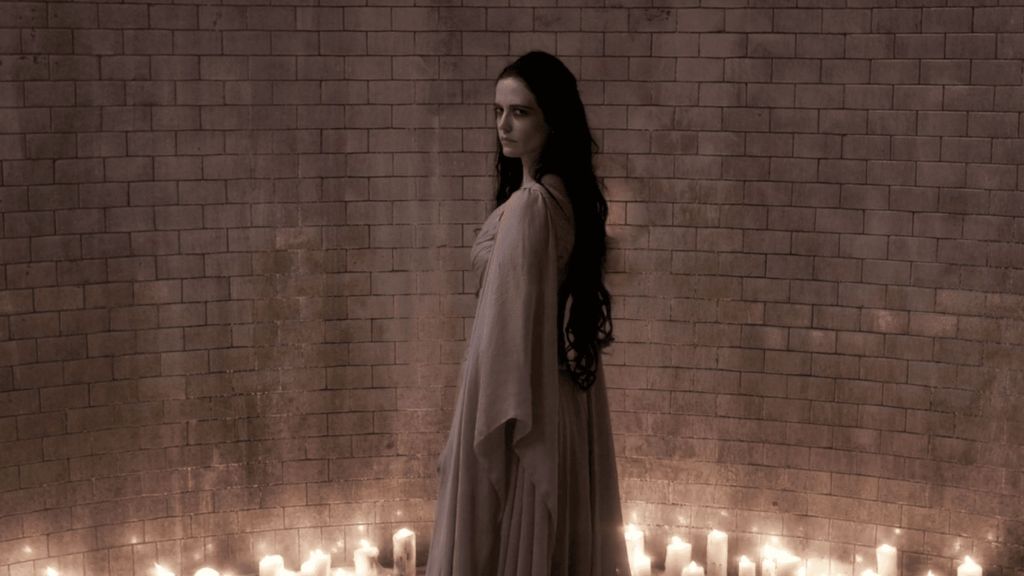
A lot of people have heard of Penny Dreadful, but it kind of slipped under the radar over time. The show took fantasy and Gothic horror, threw it all in a blender, and came out darker, more adult, and way more psychological than anything else on TV at the time. The story centers on Vanessa Ives (Eva Green), a chaotic medium struggling with supernatural forces and her own inner demons. But this isn’t just about monsters jumping out of the shadows, because it explores guilt, desire, trauma, and redemption. It’s like taking classic creatures like Frankenstein and Dracula and turning them into a deep dive on the darker side of humanity.
The thing is that Penny Dreadful was just too smart for its own good, landing firmly in the “ahead of its time” category. It was brave enough to dive into a world that almost no other show dared to explore back then. Today, mixing horror with psychological drama is almost standard (see the big projects by Mike Flanagan), but back then, audiences simply weren’t ready — it was maybe too complex for its era. Most people were still used to more generic fare, so despite being a pioneer, the series ended up largely forgotten as well.
5) Xena: Warrior Princess
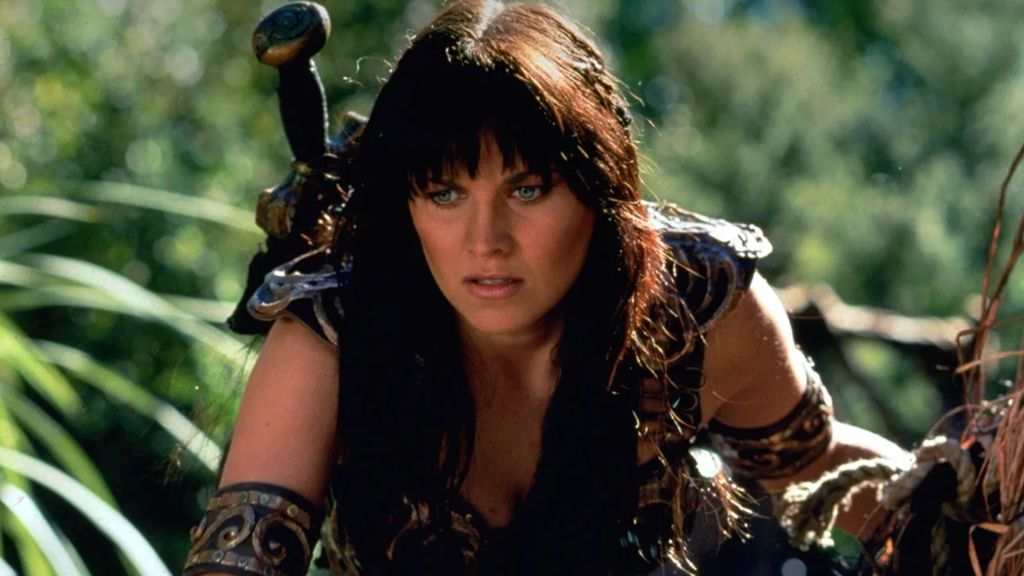
Even today, a lot of people know who Xena is, and that’s because her show in the ’90s was a game-changer — even if no one really realized it at the time. While most TV still centered on male heroes saving the day, Xena: Warrior Princess proved a female lead could carry action, mythology, and humor all at once. If you became a fan of Buffy the Vampire Slayer, a lot of that owes to Xena’s boldness. The story follows a former ruthless warrior (Lucy Lawless) trying to redeem herself, alongside Gabrielle (Renee O’Connor), her companion and moral compass. And Xena wasn’t just a badass fighter; the show tackled redemption, guilt, choices, and emotional bonds in ways rarely seen at the time.
But Xena: Warrior Princess didn’t just pave the way for strong, complex heroines because it also showed that audiences still needed time to be ready for action shows with humor and subtext. Today, it’s often remembered mainly as nostalgia, not as a series that truly shaped TV, but for all these reasons, it was ahead of its time. It was actively redefining women’s roles in fantasy and proved that strength and vulnerability could coexist. It’s easy to underestimate now, but back then, it was way too innovative to hit 100% mainstream success.
4) Brimstone
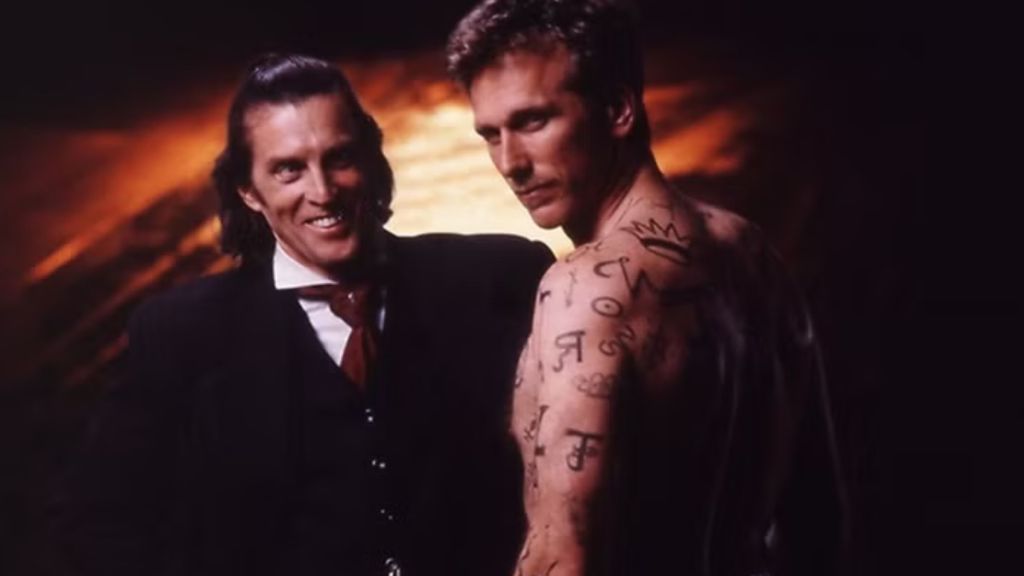
Another show canceled way too early was Brimstone, a series that truly deserved cult status. The story follows Ezekiel Stone (Peter Horton), a cop who dies and comes back to Earth, tasked with capturing 113 souls that have escaped from Hell. The idea was to mix police procedural, moral ambiguity, and fantasy — and the show never held back. Ezekiel deals with criminals, the underworld, redemption, and his own personal flaws while trying to complete his mission. Today, that kind of hybrid concept seems almost normal, with plenty of procedural shows mixing genres, but back in 1998? It was bold, especially in the context of dark fantasy.
At the end of the day, Brimstone was years ahead of its time because it treated fantasy seriously while layering in complexity and a unique format. Today, hybrid series like this are common on streaming, but doing it back then was uncharted territory. The concept was brilliant, but the audience probably needed more time to catch up and fully appreciate it. Unfortunately, the show premiered way too early.
3) Dead Like Me
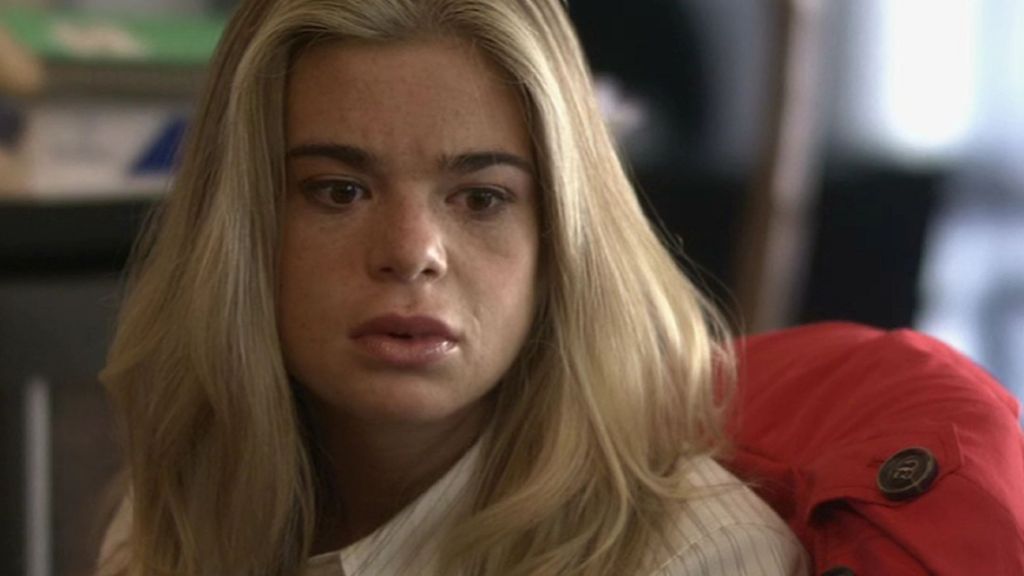
Among all the shows ahead of their time on this list, Dead Like Me might be the perfect definition of a “series nobody knew how to handle.” The story follows Georgia “George” Lass (Ellen Muth), a young woman who dies in a completely absurd way — hit by a toilet seat falling from a space station — and becomes a grim reaper. She joins a team guiding the dead while also navigating her own post-mortem existence. It’s a brilliant mix of dark comedy, existential drama, and fantasy. But it tackled a taboo subject that, while more accepted today, was still pretty bold for early 2000s TV.
A great comparison here is The Good Place. That show was widely praised and loved by audiences, handling death and existential crises in a smart, emotional, and funny way. But The Good Place didn’t arrive until 2016 (over a decade after Dead Like Me), and it’s much lighter and optimistic in tone, whereas Dead Like Me leaned into irony and darkness. To confront life and death with that level of honesty back then was a real gamble, experimental for mainstream audiences. Sadly, it didn’t get the recognition it deserved at the time, though today it actually has a fanbase and is appreciated for its potential.
2) Pushing Daisies
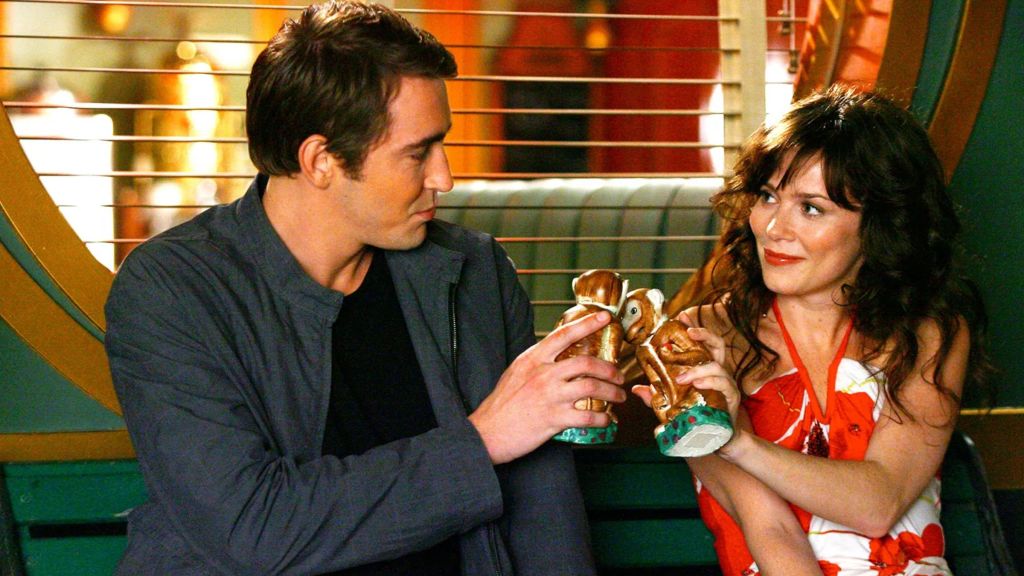
From the same creator of Dead Like Me and the well-known Hannibal, Pushing Daisies definitely had its appeal, delivering the kind of visual and narrative chaos only Bryan Fuller could pull off. The story follows Ned (Lee Pace), who solves crimes while bringing dead people back to life with a touch, though with crazy rules that complicate every resurrection. On top of that, he has to deal with his love for someone he can’t touch without deadly consequences. It’s a mix of romance, mystery, and fantasy, wrapped in a colorful, stylized look that feels more like cinema than TV.
Pushing Daisies was years ahead of its time, and today it would be embraced by streaming audiences without question. Everything about it was bold and strange, completely unlike anything else on TV back then. The humor leaned into nonsense, the story was emotionally complex, and the style was over-the-top vibrant. It might have seemed chaotic, but that was the show’s identity. There was genius behind it all, which is why it’s rightly considered a cult classic today (even ending on a massive cliffhanger).
1) Carnivàle
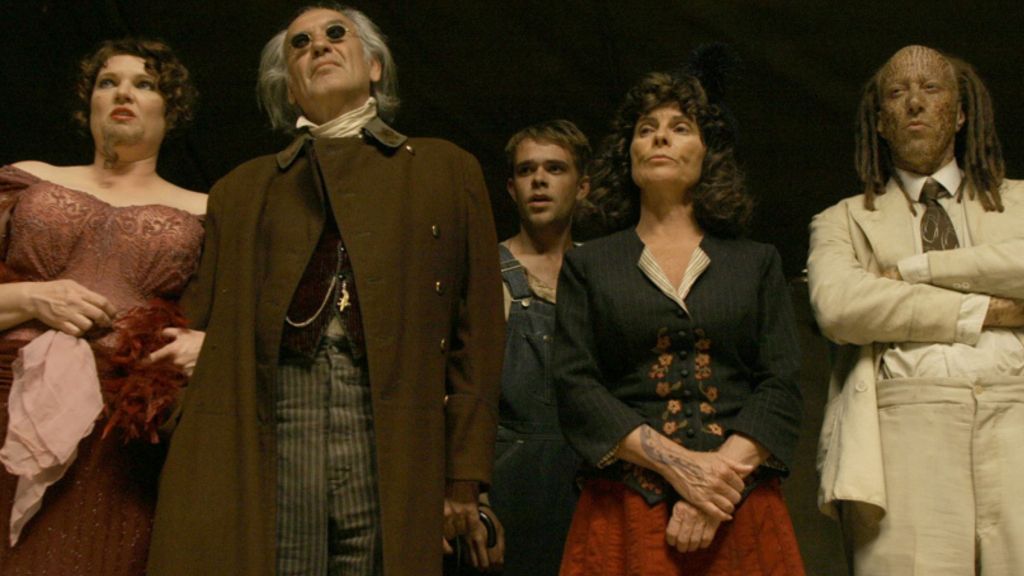
HBO shows are masterpieces, no matter the genre, and their fantasy series let viewers fully dive into fantastical worlds. However, Carnivàle may have gone a bit too deep for its time. Set during the Great Depression, the story follows Ben Hawkins (Nick Stahl), a young man with healing powers, as he battles the evil Brother Justin (Clancy Brown). Along the way, there’s a traveling carnival and a cast of mystical characters. Could it have worked? Absolutely. But the writing was intricate, the pacing slow, and the mythology dense — it was a lot for viewers to keep up with episode after episode.
Carnivàle is an underrated dark fantasy epic because it was dense, ambitious, and visually stunning, demanding a level of attention audiences back then weren’t used to giving a TV show. Today, complexity is practically a premium standard, exactly what viewers expect from high-end series. Back then, it was a barrier, and unfortunately, the show suffered for it. Still, it deserves recognition not just as a hidden gem, but as one of the best-written and most fully realized fantasy series ever produced.
Have you watched any of these shows? Let us know in the comments!
Most Viewed
-
Image courtesy of Lucasfilm -
Image Courtesy of Studio Pierrot -

Courtesy of Marvel