The BBC used to tape over Doctor Who, literally. Videotape was expensive in the 1960s, and nobody there imagined a children’s science fiction serial would still be running six decades later. So the tapes got wiped and the film prints got junked, and a large chunk of the William Hartnell and Patrick Troughton years simply stopped existing. For years the count sat at 97 missing episodes. Then in March 2026 a Leicester charity called Film is Fabulous! turned up two of them in a dead collector’s cardboard box, tucked in among hundreds of home movies about trains and canals. The man reportedly had no interest in Doctor Who whatsoever. The count is now 95.
Videos by ComicBook.com
Every missing episode survives as audio, because fans in the 1960s held microphones up to their television speakers. Lovely as that is, nobody is satisfied with it. Here are seven the fandom wants back most, some as single episodes and some as entire serials, counting up to the one everybody calls the holy grail.
7. The Myth Makers (1965)
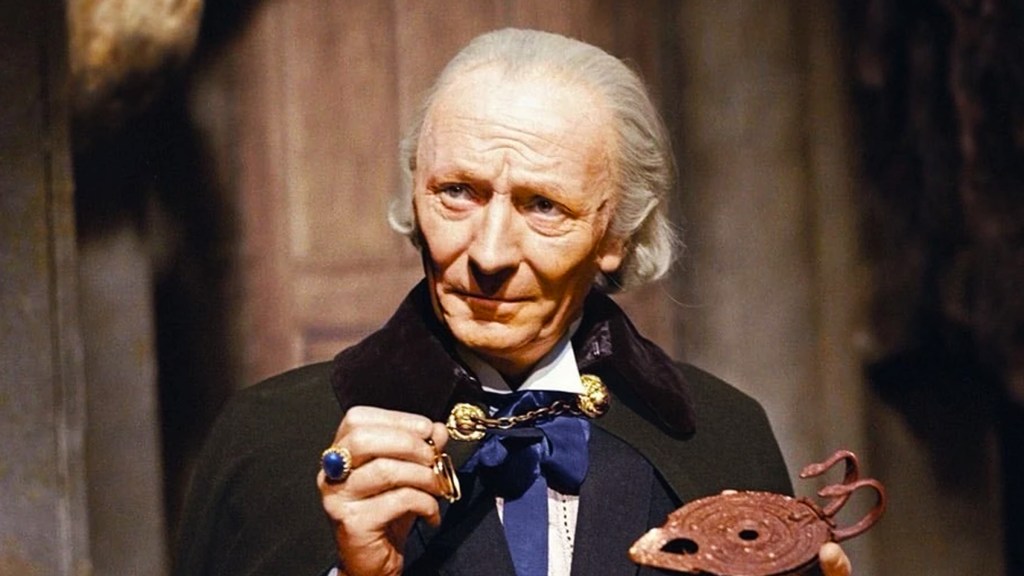
Doctor Who dropped the First Doctor into the Trojan War and let him get mistaken for Zeus, which is already a good afternoon. Then Hartnell’s Doctor invents the Trojan Horse, but only after his first suggestion, a flying machine, goes nowhere, and the whole thing pivots into a massacre in the final episode.
That handbrake turn is why fans want it back. The serial spends three episodes as a broad farce about gods and Greeks before the last one turns into a slaughter, and it is the earliest example of a trick the show would go on to use for six decades. It is also where Katarina joins the TARDIS, a companion who believes the Doctor is a god ferrying her to the afterlife and quite literally never stops believing it. Ever. She lasts five episodes before dying in the story below. All four episodes are gone, none have been animated, and the only way to experience the shift from comedy to carnage is to listen to it.
6. The Massacre of St Bartholomew’s Eve (1966)
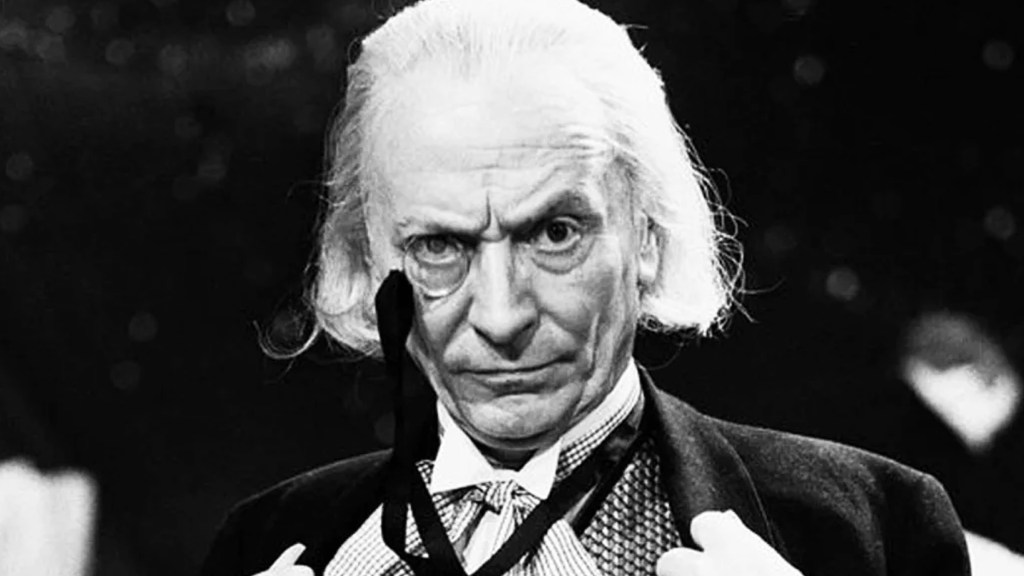
Hartnell plays two parts here, the Doctor and a French nobleman called the Abbot of Amboise, and for long stretches the audience genuinely cannot tell which one they’re watching. The Doctor vanishes from the middle of his own story and a man with his face turns up on the other side of a religious conspiracy.
It is among the bleakest things the show ever made. There is no monster and no alien threat, just Catholics and Huguenots in 16th century Paris heading toward a real historical massacre the Doctor cannot prevent. Steven spends most of it stranded, alone and increasingly certain his friend has abandoned him, and the ending leaves him genuinely angry in a way companions were not usually allowed to be in 1966. There are barely any production stills either, which makes this one closer to invisible than anything else on the list.
5. Fury from the Deep (1968)
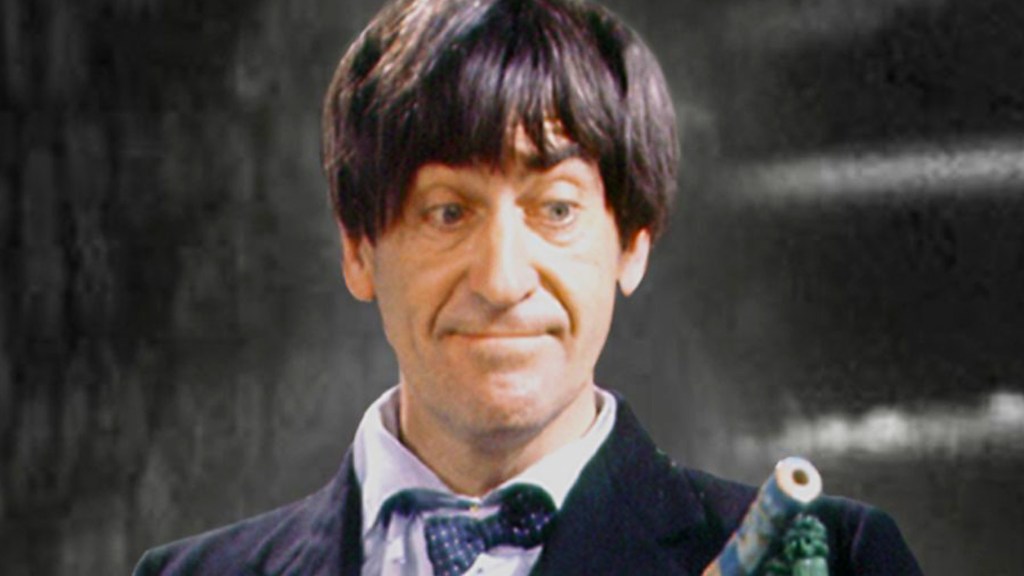
A gas refinery on the English coast gets taken over by sentient seaweed that hides in the pipes and breathes like a heartbeat. It sounds ridiculous. By reputation it is the most frightening thing Troughton’s Doctor ever walked into. The horror comes from sound rather than sight, which is exactly why the surviving audio is unusually effective here. The weed creature announces itself with a slow rhythmic pulse through the pipework long before anyone sees it, and the story’s best sequence involves two men in a foam-filled room closing in on someone who already has the thing inside them. Australian censors cut so much of that serial that their discarded trims are now among the only surviving moving images from it.
It is also where Victoria Waterfield leaves the TARDIS and where the sonic screwdriver appears for the first time in the show’s history. The BBC animated all six missing episodes in 2020, which is a generous tribute but still not the same as having them.
4. The Tenth Planet: Episode 4 (1966)

This is the most historically important missing episode in the show, and the reason Doctor Who is still on the air. At the end of it, William Hartnell collapses on the TARDIS floor and becomes Patrick Troughton, the first regeneration the series ever attempted. Nobody had ever done this before. There was no word for it, no established mythology, or anything to tell that audience that a television series could swap out its leads and simply carry on. The production was solving a scheduling problem, since Hartnell’s health had made the workload impossible, and the fix they improvised became the single mechanism that has kept the show alive through fifteen leads and six decades.
The same serial introduced the Cybermen in their original and strangest form, with cloth faces and eerie singsong voices, so this was already a landmark before the ending arrived. Episodes 1 through 3 survive perfectly well, whereas Episode 4, containing the most consequential thirty seconds the program ever produced, is the one that went in the bin. Anyone who has seen that regeneration has seen it because a clip aired on Blue Peter in 1973 and nobody threw that one away.
3. The Daleks’ Master Plan (1965-66)

Twelve episodes long, the longest story the show has ever told, and the cruelest Dalek story the series has ever made by some distance. Two companions die in it, Katarina blown out of an airlock and Sara Kingdom aged into dust, and episode seven is a Christmas special where Hartnell turns to camera to wish the viewers at home a happy Christmas. Seven of the twelve are still gone even after March’s recovery.
Here is the reason so little of it survives. Along with its prequel Mission to the Unknown, this is the only 1960s Doctor Who story the BBC offered for overseas sale and nobody bought. Australia’s ABC was the sole broadcaster to even request prints, considered cutting the violence, and concluded in November 1966 that the censorship was more work than the serial was worth. No overseas sales meant no prints shipped abroad, and prints shipped abroad are how nearly everything else came home.
2. The Web of Fear: Episode 3 (1968)
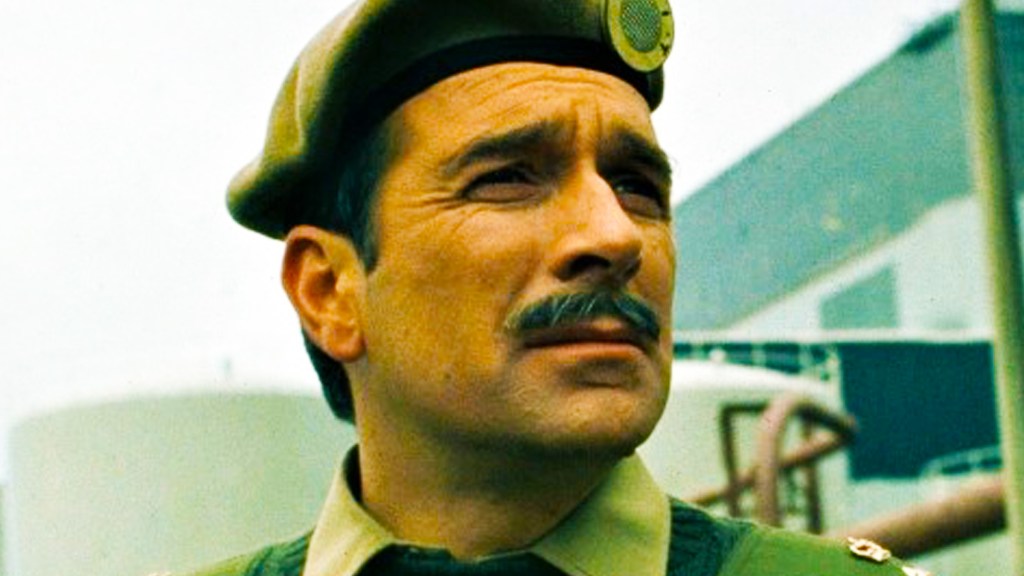
Robot Yeti stalking the London Underground, plus the debut of Nicholas Courtney as Colonel Lethbridge-Stewart, later the Brigadier and one of the most beloved figures in the entire show. Archive hunter Philip Morris found the serial in a television relay station in Nigeria in 2011 and brought home four episodes, leaving the story five-sixths complete. In fact, Episode 3 was sitting on that exact same shelf. Negotiations over the return dragged on for months, and by the time the cans reached Britain it had vanished, reportedly sold to a private collector who knew exactly what they were buying.
This gap in the archive is completely different from the other ninety-four, because the rest are lost while this one is being withheld. Somewhere out there a collector has it, has almost certainly watched it, and has made the executive decision that the rest of us are not going to see it. Of the 95 episodes still missing from the BBC, it is the only one anyone can point to and say with real confidence that it survives, which is either the most hopeful fact on this list or the most infuriating one depending on your mood.
1. Marco Polo (1964)
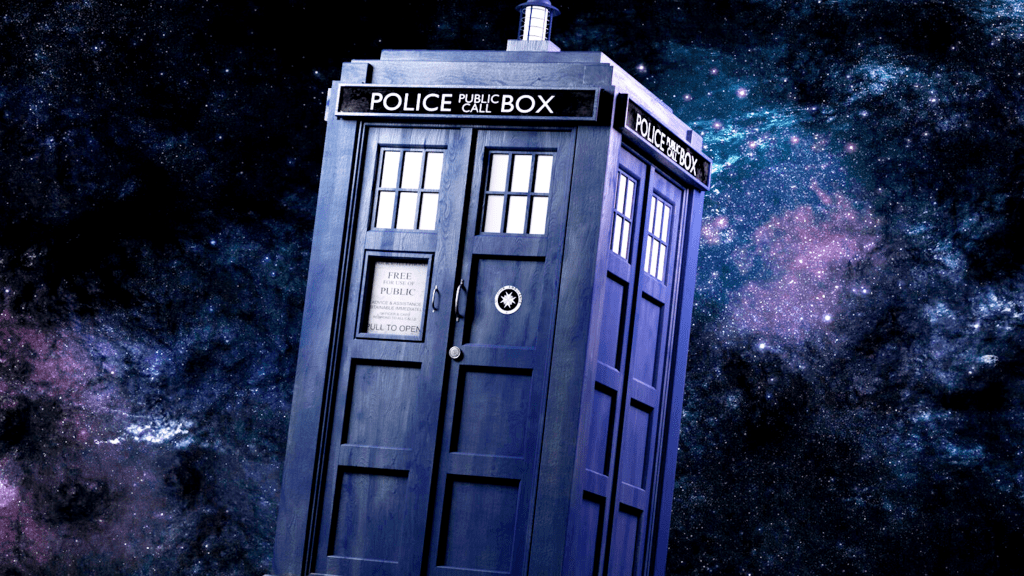
Seven episodes, all seven gone, and not one second of moving footage survives from any of them. Marco Polo is the earliest missing story in the show, made back when Susan, Ian, and Barbara were still the TARDIS crew. It follows the Silk Road from the Himalayas to the court of Kublai Khan, with the TARDIS strapped to a caravan and the Doctor eventually gambling it away over a game of backgammon. It has never been animated.
The cruelty is that Marco Polo sold to more countries than any other Doctor Who story of the 1960s, at least nineteen of them, and overseas film prints are how most missing episodes find their way home. What survives is the audio, a stack of production photographs, and telesnaps that director Waris Hussein had sitting in his private collection for forty years. Fans have called it the holy grail for so long that the phrase has stopped sounding like hyperbole, and the reason they keep saying it is that the most widely-shipped serial of the decade is somehow the one with absolutely nothing left.
Ninety-five episodes are still unaccounted for, and the last two turned up in a box of home movies about canals.
More TV Shows
-
Marvel Studios – Disney+ -

Courtesy of Paramount+ -
Courtesy of Paramount -

Image Courtesy of Marvel