Stephen King has been getting his work consistently published for half a century now. Even when one of his books isn’t ranking among his best it still shows an author with a firm grasp on world-building, character development, and adeptness when it comes to establishing an air of tension and ratcheting it up. Be it vampires, dogs with rabies, haunted hotels, or killer clowns, he knows how to firmly establish a world and invite readers in for a good old-fashioned nightmare. And, from the ’70s to the 2020s, there hasn’t been a fully weak decade so far. Which of them is the best? There’s certainly an argument to be made for the ’70s, which had Carrie, ‘Salem’s Lot, The Shining, The Stand, and The Dead Zone. But it’s not as if he peaked with his earliest novels.
Videos by ComicBook.com
While he had an extremely strong start, he continued to show himself capable of delivering a wide range of novels throughout the 1980s. In that single decade he wrote a whopping 18 books, including novels, collections, and an illustrated novella. We’re ranking them all here because, while some are wonderful, others showed that you can’t write that much without having a few that don’t measure up, even if you’re as startlingly brilliant as King. However, we did leave off the nonfiction Danse Macabre and the coffee table book Nightmares in the Sky: Gargoyles and Grotesques.
18) The Tommyknockers
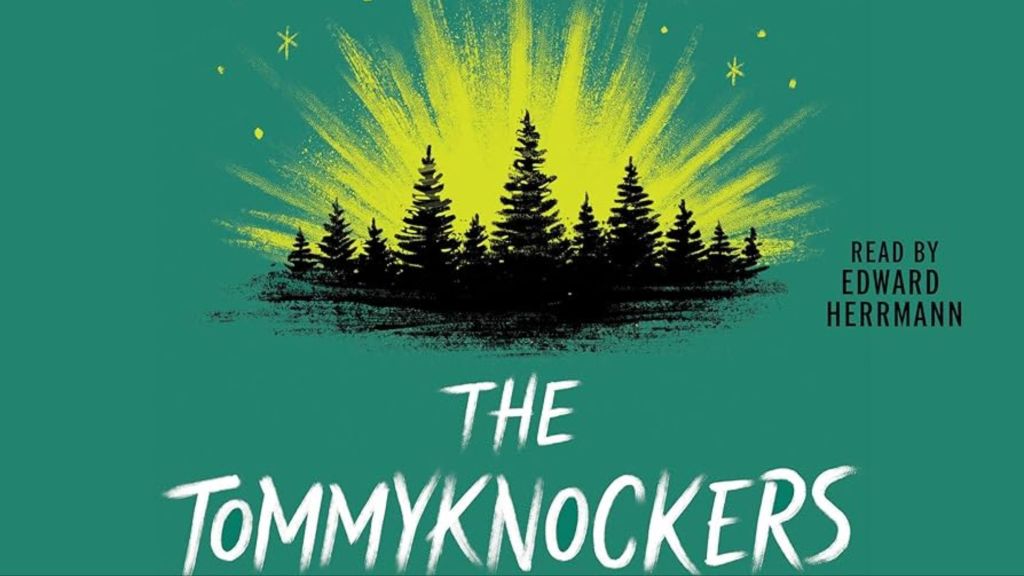
Like Dreamcatcher, The Tommyknockers is a sci-fi horror novel that King himself has publicly bashed. While writing he was battling addiction, and by his own admission it resulted in a novel with a lot of unnecessary padding on what could be a streamlined narrative. But even if it was streamlined there is nothing that would help elevate it to the upper echelon of his bibliography.
17) Roadwork
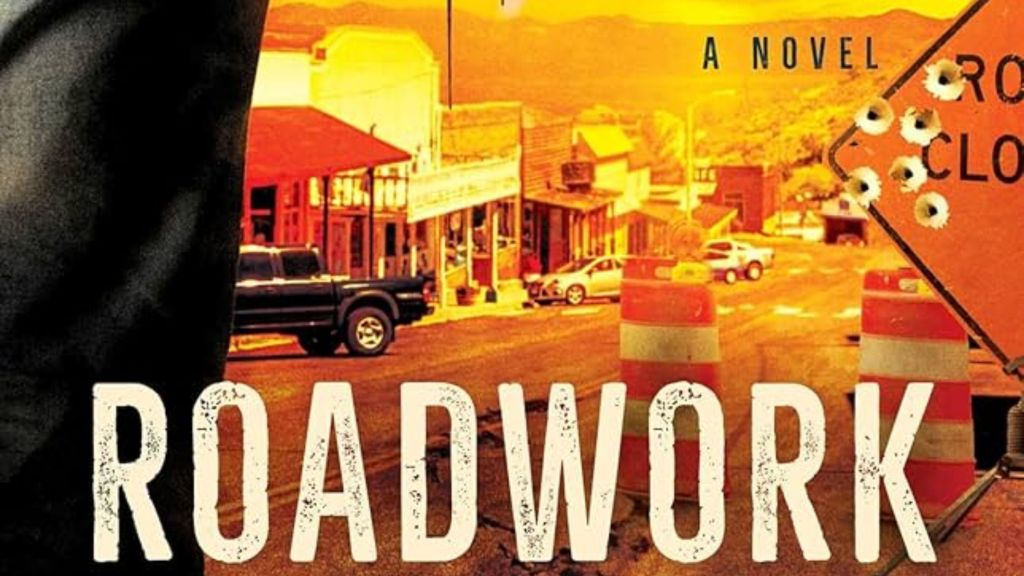
Of the seven books King wrote under the pseudonym Richard Bachman, three of them came out in the ’80s: Roadwork, The Running Man, and Thinner. Two of them are skippable and one of them is The Running Man. Roadwork is a step above The Tommyknockers, because it’s a coherent (albeit brief) read, but it’s still a man vs. the world tale that could have been written by plenty of other authors.
16) Thinner
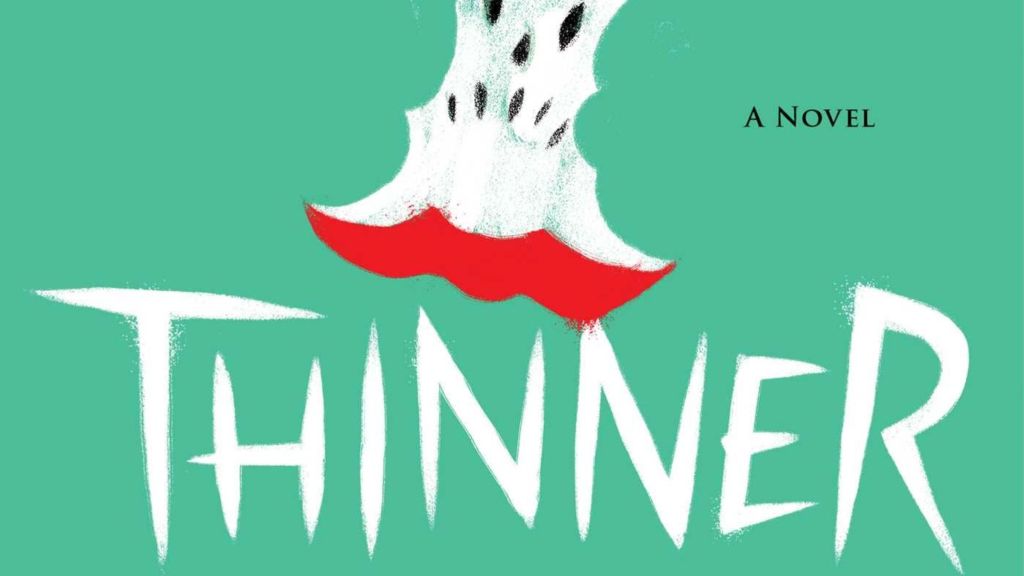
When it comes to Thinner, it’s better than the movie, but not by leaps and bounds. This story of an obese lawyer who accidentally kills a Romani woman and gets a curse placed on him as a result is hindered considerably by the fact that its protagonist is simply unlikable. It’s very tough to spend time with him. It deserves some credit for its concept and fantastic dark ending, but otherwise it’s a slight work from the author.
15) The Eyes of the Dragon

1984 saw King depart the horror genre for the most part. It was the year of Thinner, but it was also the year of not one but two fantasy novels: The Talisman (co-written with Peter Straub) and The Eyes of the Dragon. The Eyes of the Dragon is the biggest change of pace for the author, and the negative reaction from fans was a big part of why Misery came into existence. It’s really not as bad as fans made it out to be at the time, but it’s still a YA fantasy novel from an author who hadn’t had much experience in that realm. The inclusion of Randall Flagg is neat, but that’s the only thing that makes Dragon feel like truly necessary reading for anyone but the most devoted King fan.
14) The Talisman
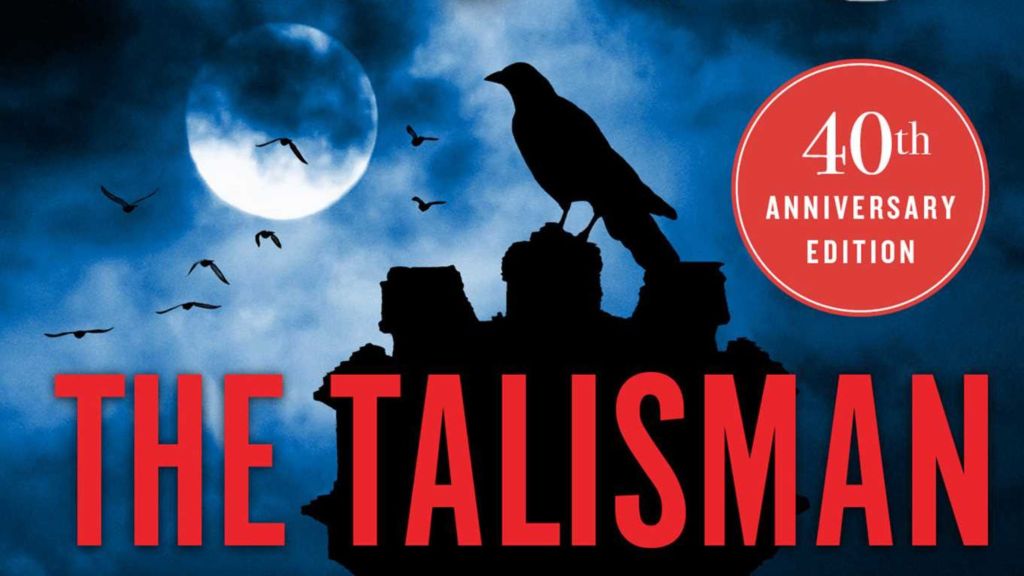
Consider The Talisman tied with The Eyes of the Dragon. They both represent King moving out of his comfort zone and trying something new, but not without the flaws that can come with doing such a thing. In the case of The Talisman, it’s interesting that he collaborated with another author on a single vision, but the problem inherent with that is the clash of distinct voices. Even still, going into an alternate dimension to try and find something to help one’s dying mother is a nice emotional hook to get the audience, and when the book isn’t getting distracted from that core plot it’s solid enough.
13) The Dark Tower: The Gunslinger
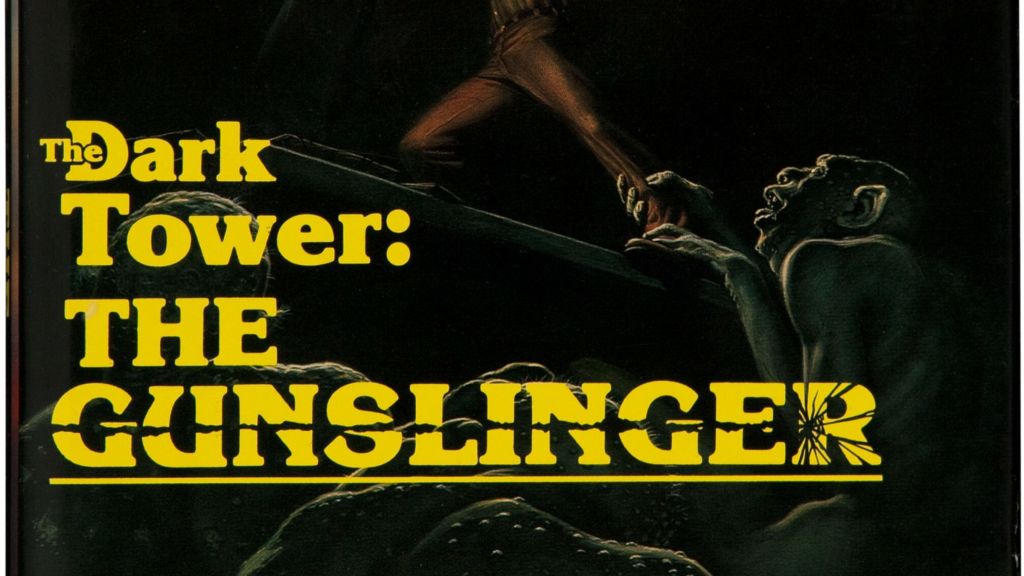
A major passion project for King (it took him over a dozen years to write these 224 pages), The Dark Tower: The Gunslinger is an impressive doorway into the author’s most expansive world. It’s very much a companion piece of sorts to The Stand, and not just because it also features Randall Flagg aka The Man in Black. Not to mention, though it is fantasy just like The Talisman and The Eyes of the Dragon, it feels much closer to King’s voice. This one ranks as high as it does because we’re thinking of the improved 2003 revised version, which rectified some irksome continuity problems.
12) Firestarter
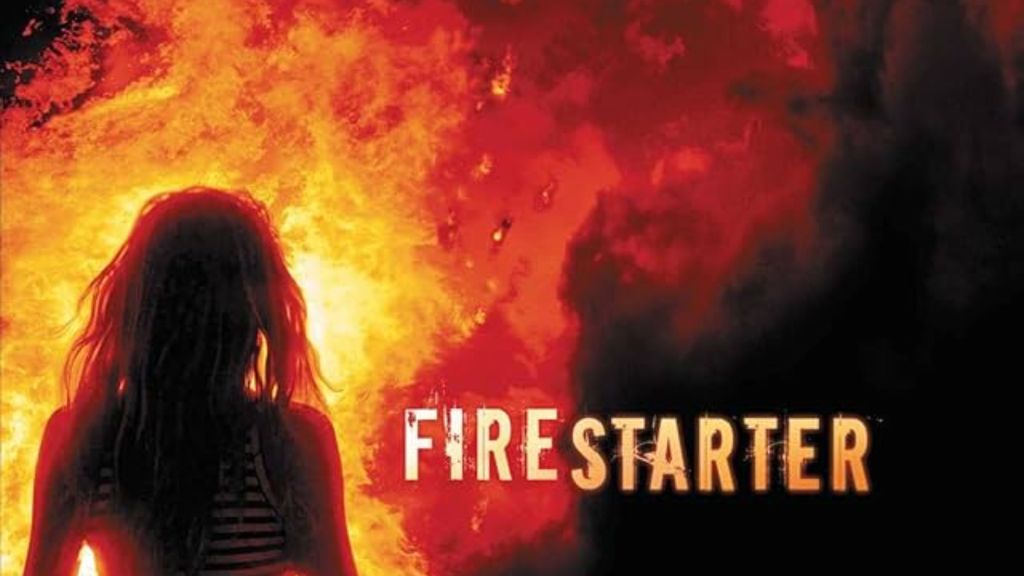
King’s first novel of the ’80s was certainly influential. It’s hard to imagine Eleven of Stranger Things fame existing without little Charlie McGee. It also has an in medias res type of storytelling that works extremely well and is a nice standout from the author’s usual brand of telling a story from the beginning. It’s not particularly scary, but it does coast on the central dynamic between father and daughter. We grow to like them very swiftly, which is what makes their being pursued by shadowy, sinister figures suitably hair-raising. Even still, of the ’80s King books widely regarded as classics, it’s the weakest, mostly thanks to a middle third that only seldom justifies its existence.
11) Cycle of the Werewolf
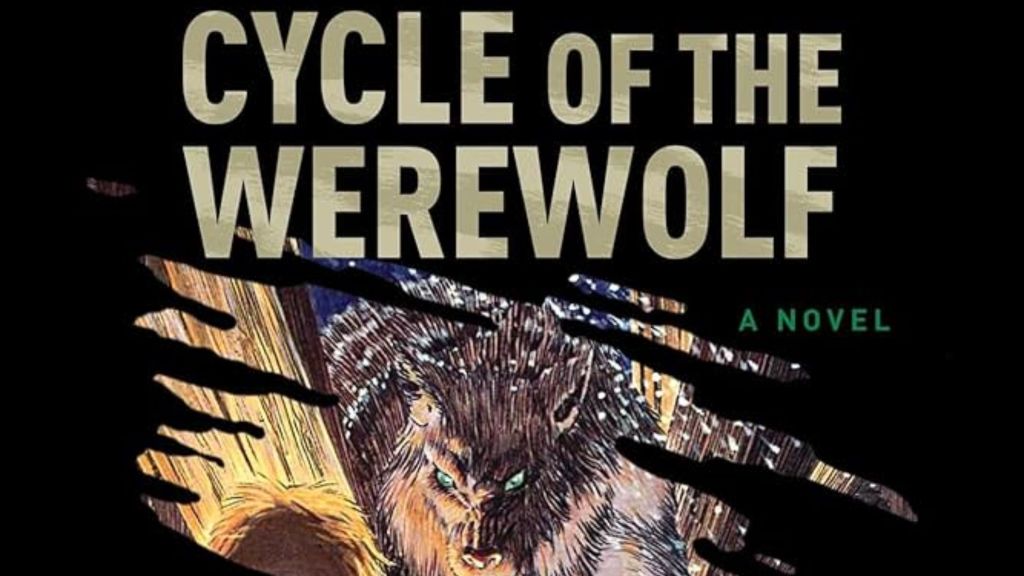
Cycle of the Werewolf, the novella which served as the source material for the underrated Silver Bullet, may very well be the breeziest thing King has ever written. It’s a genuinely fun read with a stylish form of season-focused storytelling that makes the 127 pages fly by. Like in the movie, Marty Coslaw is a protagonist who is easy to root for and his bond with his uncle is a charming one. It’s a little more focused on werewolf action than developing deep characters, but what we get on both fronts works quite well.
10) The Running Man
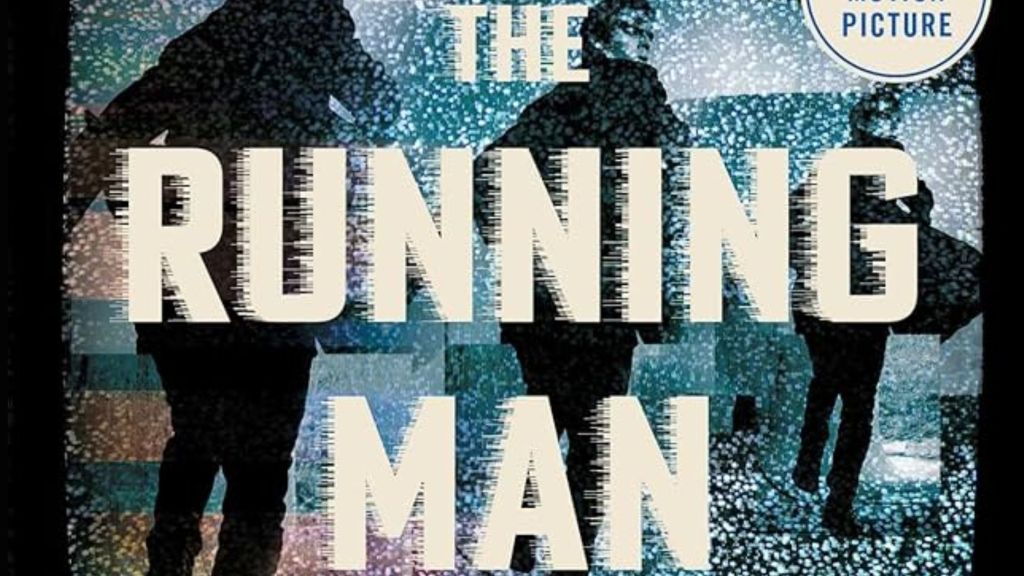
Easily the best of the Bachman books, The Running Man is a lightning-paced adrenaline rush of a novel that only suffers when one realizes that its protagonist is kind of a jerk. Fortunately, both film versions of the source material ironed that particular issue out. It also comes with a dynamite ending, which is something Edgar Wright’s movie sadly (but quite understandably) revised. None of the Bachman books reach that “Great” level, but The Running Man is certainly in that “Very good” category. He also wrote the thing in just one week (though it wasn’t published until a decade later), which will always be jaw-droppingly impressive.
9) The Dark Half
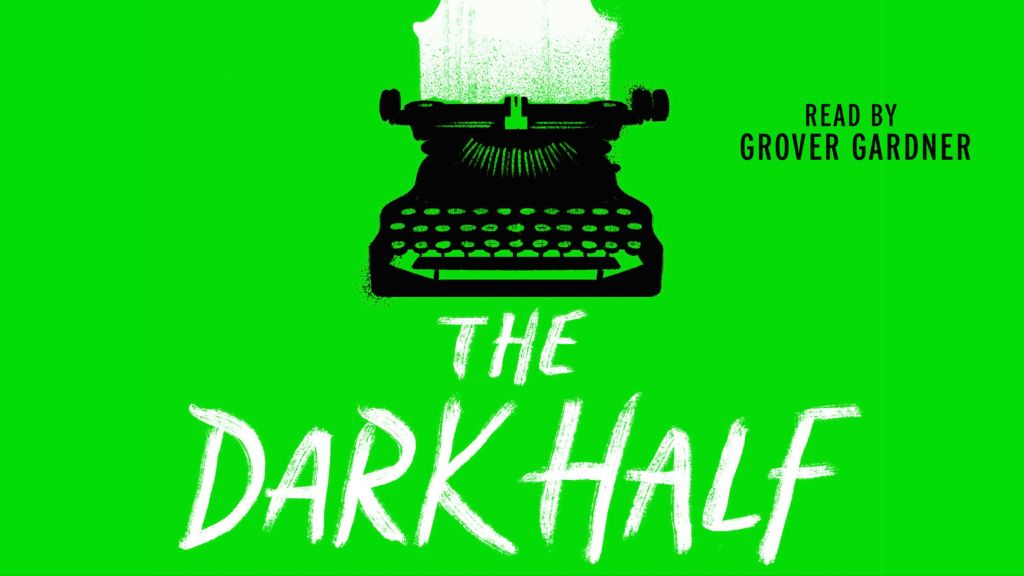
King’s final novel of the ’80s, The Dark Half, sees him returning to a tortured writer protagonist. It’s just, this time, said torture comes from within. This was his response to the Richard Bachman pseudonym being sussed out, and while it isn’t quite as strong as Misery it’s still a tense, rather lean read with a solid ending. And, as many King fans know, endings aren’t typically his forte.

8) The Dark Tower II: The Drawing of the Three
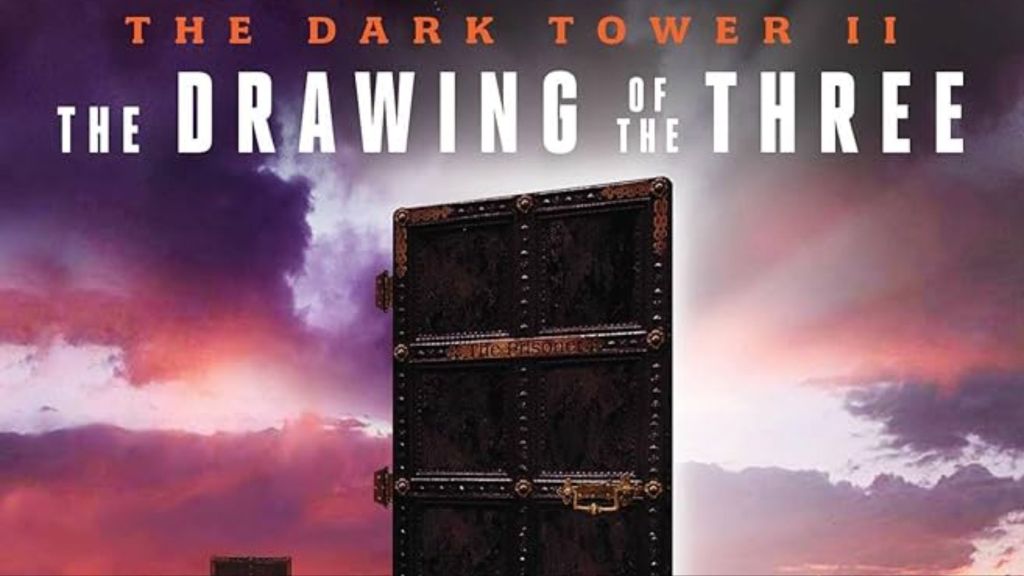
The Dark Tower II: The Drawing of the Three is a substantial improvement over The Gunslinger. This is where the characters started to become more fleshed out and, equally important, the rules of this world were firmly established. It also starts off with a lobster monster attack. Points for that. Were one to rank every Dark Tower book, this one would deserve a high placement.
7) Cujo
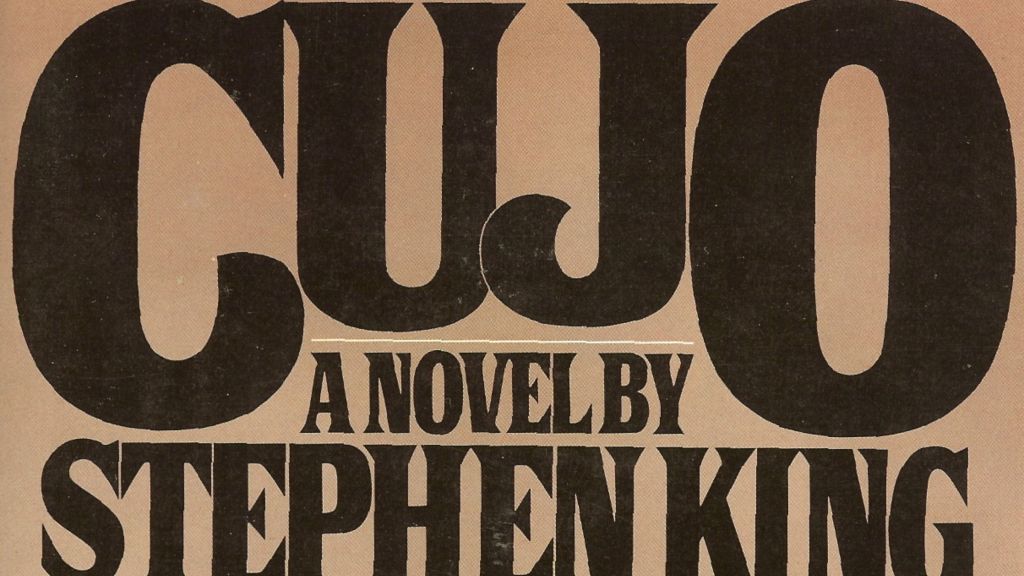
At 319 pages, Cujo is one of King’s less time-consuming reads. It’s also a good entryway for a burgeoning fan of the author. It also capitalizes on something that applies to most people, which is humans’ bond with the family dog. You love the pup, you feed the pup, you snuggle with the pup, but there’s a wise reptilian part of your brain that knows this thing could sink its teeth in your neck. Are the human characters the most in-depth folks King has ever written? Not quite. However, as soon as we’re in the car with Donna and Tad Trenton, the novel slams its foot on the gas and doesn’t let up. Toss in the fact that this may be the gutsiest ending King ever wrote and Cujo deserves its heaps of praise.
6) Christine
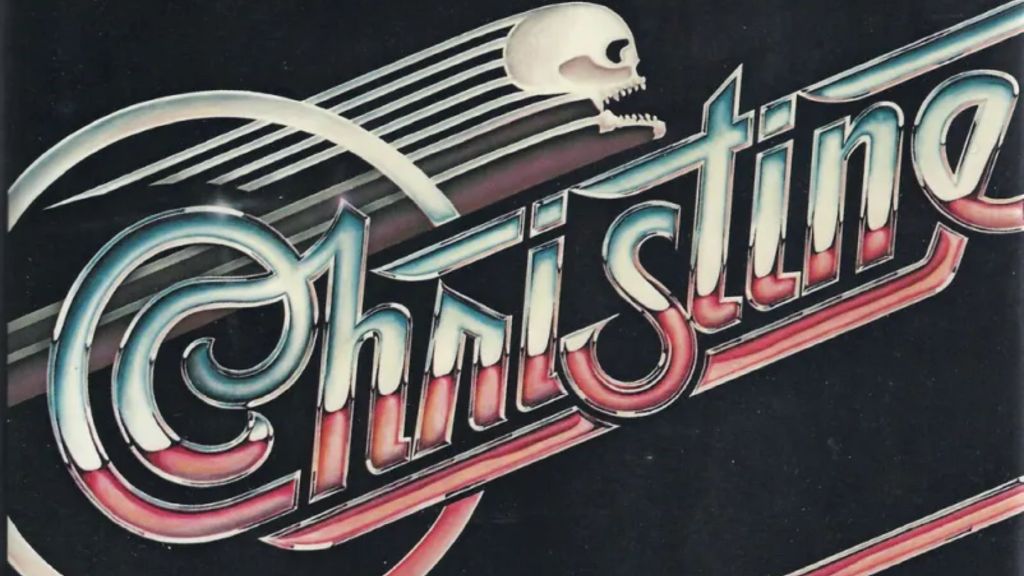
A book about a killer car sounds silly if just boiling it down to that most simple of definitions. But King sure does make it work. But the reason for that has less to do with the red 1958 Plymouth Fury and more to do with just how convincingly malleable Arnie Cunningham’s psyche is. This is one where the movie improved upon the ending, but all the bones that made John Carpenter’s respected yet still underrated adaptation a winner are right here.
5) Different Seasons
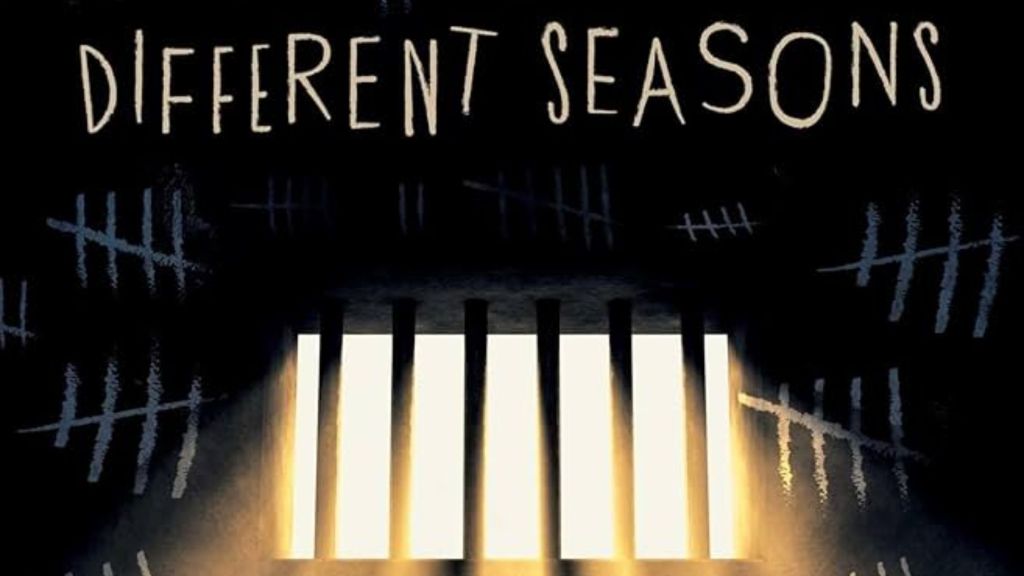
Different Seasons was King’s second collection after Night Shift and, suffice to say, it couldn’t be any more different. Almost entirely devoid of horror elements, this is the definitive display of the author’s ability to craft works that tug on the heartstrings. The collection is comprised of four novellas, and there isn’t a bad one in the bunch. Rita Hayworth and Shawshank Redemption is a classic as is The Body (adapted as Stand by Me) while Apt Pupil and The Breathing Method both take grim plots and craft something poignant out of them.
4) Skeleton Crew
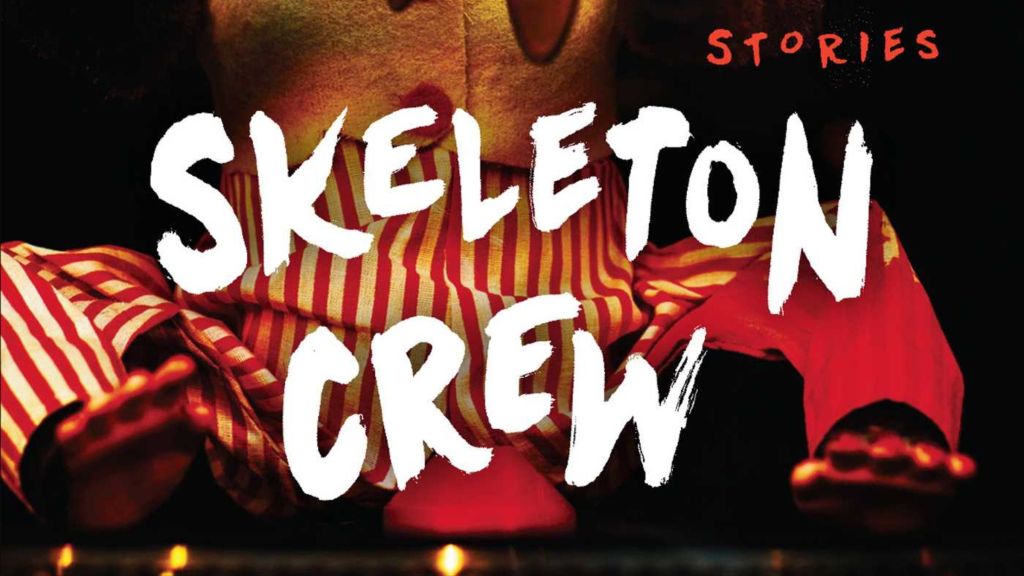
King’s only book in 1985, Skeleton Crew went right back to Night Shift territory after the departure that was Different Seasons. It’s not a perfect collection, but it’s darn close, with most of its 23 short stories or novellas standing as wonderful displays of his ability to yank readers into a world even when relegating himself to just, say, 40 pages. Highlights include The Mist, “Word Processor of the Gods,” “The Raft” (adapted very well in Creepshow 2), and “The Monkey.”
3) Pet Sematary
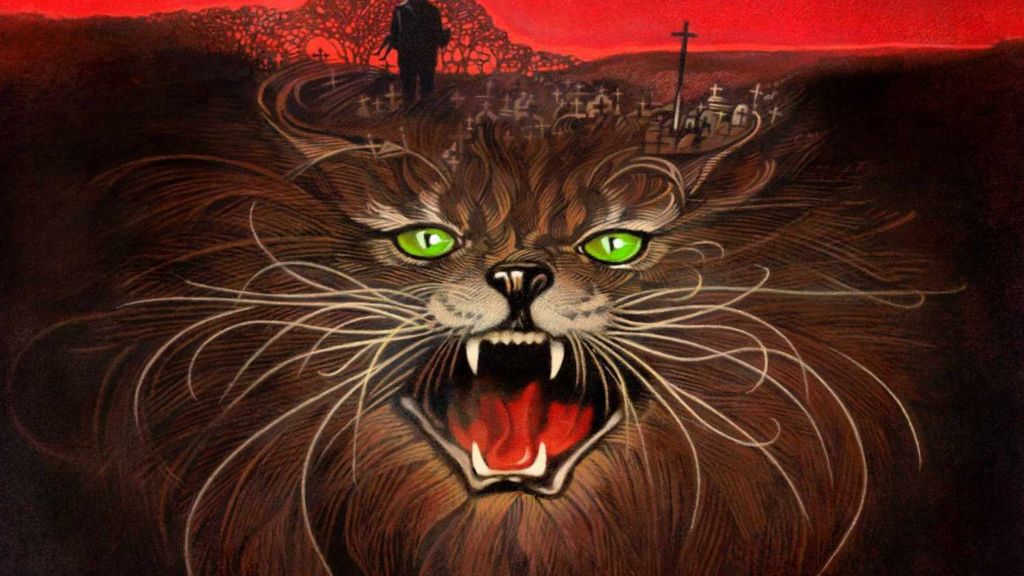
King brilliantly touches on something everyone has experienced in Pet Sematary. The loss of a pet is devastating. Even if it’s your friend’s pet who you give scritches when you go over to their house it’s taxing to lose them. King makes the loss of a pet just the beginning. He then forces the protagonists and the readers to see that pet (a cat) come back to life and turn into an ornery zombie fluffball. Then, that’s ratcheted up once again with the death of a child and, again, we return to ornery zombie territory. Pet Sematary sticks with you, and it certainly ranks high in his entire bibliography.
2) Misery
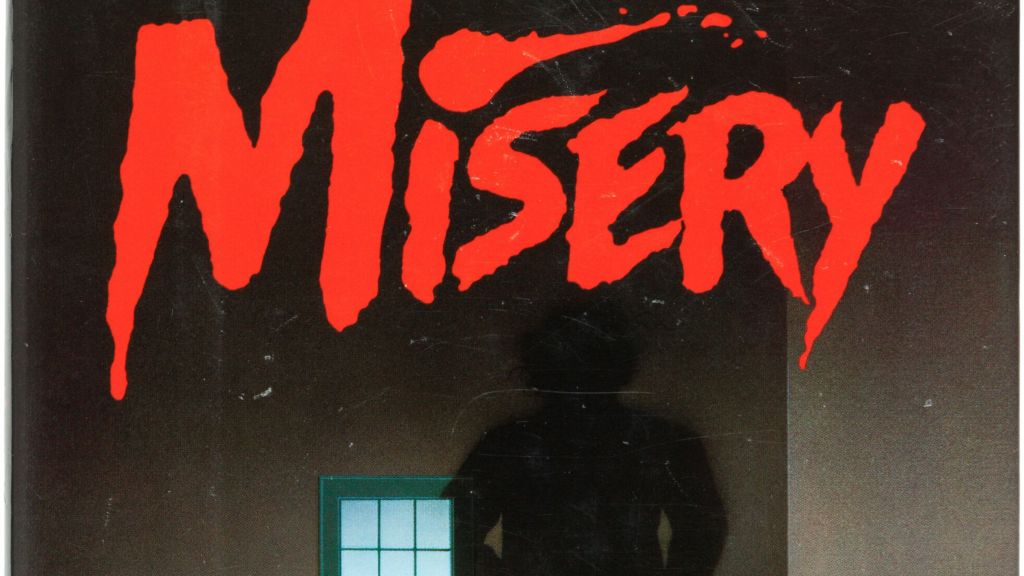
Outside Lisey’s Story and The Shining it’s hard to imagine a book that makes the audience feel as though they’ve dived into King’s brain than Misery. This was his way of getting his feelings about the complex relationship between author and fan out of his system. Laid bare for all to see. It’s also an incredibly tense, consistently unsettling masterpiece. Like with the next entry on our list, Misery benefits considerably from its A-level antagonist. The difference is, Annie Wilkes is complex. A lonely woman with little in her life. We feel for her, even if we’re also horrified by her actions and almost childish way of articulating her feelings.
1) It
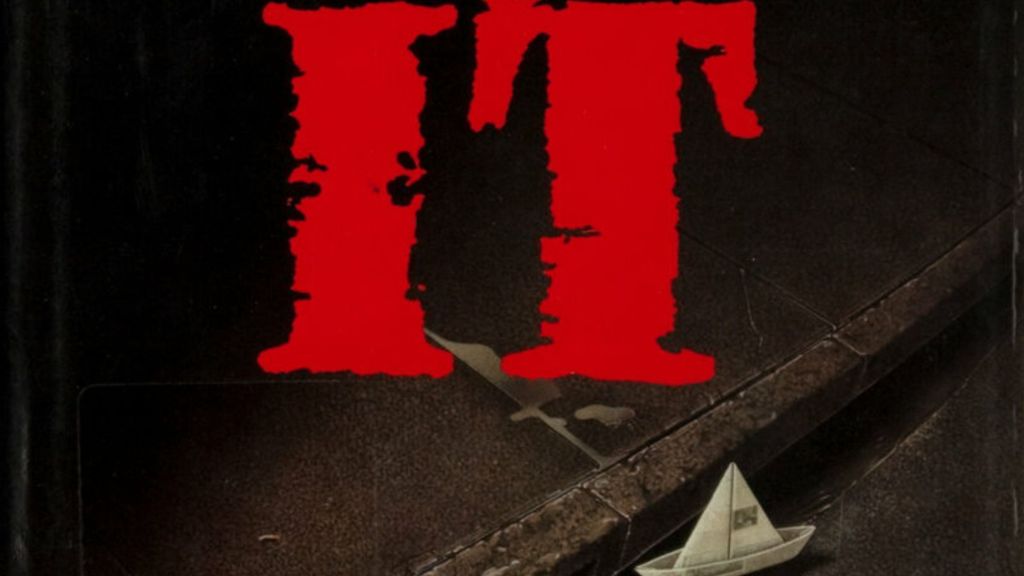
Some might disagree with It getting the gold medal. After all, it notoriously ends on a sour note, which is something neither the miniseries nor the pair of studio movies could fix. But it’s still such an effective epic, even when it does have a little too much meat on its bones. Whenever it’s focusing on the protagonists in their younger years (outside that orgy scene) it’s masterful, and even when we pick up with them as adults it’s still one of the author’s more genuinely frightening works. And, as far as King antagonists go, it’s really hard to imagine one that has struck fear in hearts more than Pennywise the Dancing Clown. Between him and the believable bond between the members of the Losers’ Club It is top-tier King, regardless of the decade of release.
What is your favorite ’80s King novel, novella, or collection? Leave a comment below and join the conversation now in the ComicBook Forum!
Most Viewed
-
Image Courtesy of Netflix -
Image courtesy of Warner Bros. Pictures -

Image Courtesy of Ufotable -

image courtesy of Studio Ghibli