Batman is indisputably the crown jewel of the DC Comics library, generating more profit and cultural footprint than any other superhero in existence. While Superman may have been the prototype, the Dark Knight has proven to be the most adaptable character in media history, thriving in everything from campy pop-art comedies to gritty noir thrillers. This versatility is most evident in the realm of animation, where the Caped Crusader has headlined more solo television series than any of his Justice League peers. Beyond his iconic roles in ensemble shows like Super Friends and Justice League Unlimited, Batman has sustained a decades-long run of solo projects that constantly reinvent his mythos.
Videos by ComicBook.com
Navigating Batman’s massive library of content can be daunting, which is where Rotten Tomatoes comes in as a sorting tool. The review aggregator assigns a “Fresh” or “Rotten” score based on critical consensus, offering a data-driven way to rank these adaptations. It is important to note that Rotten Tomatoes is a relatively modern metric, and television reviews were not systematically collected for much of the medium’s history. As a result, several legendary productions—including some that defined Batman for a generation—do not have data to generate a score. For this ranking, series with an official Tomatometer score are placed at the top, ranked by their percentage and review count, while the shows without a score are ranked below them based on historical reputation and fan consensus.
11) Batwheels (No Score)
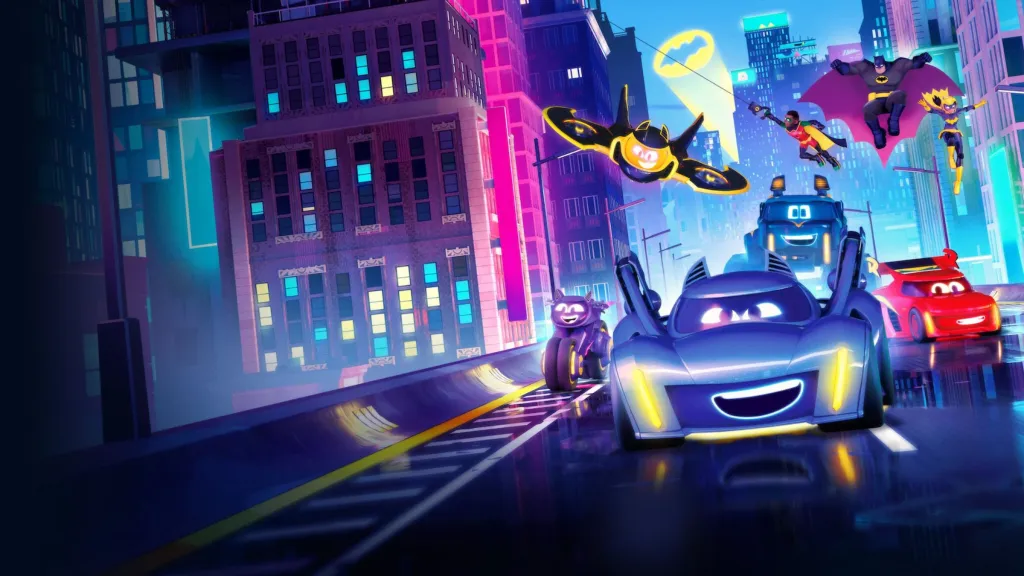
Batwheels represents the most drastic departure from the traditional Batman formula as it aims squarely at the preschool demographic with a toy-friendly aesthetic. The series shifts the focus away from the Dark Knight (voiced by Ethan Hawke) and onto a team of sentient vehicles led by the Batmobile named Bam (voiced by Jacob Bertrand), who learn simple lessons about teamwork and self-confidence. While the production values are surprisingly high and the action is perfectly tailored for toddlers, it is impossible to rank this alongside narrative-driven shows. It lacks the complex storytelling, noir atmosphere, or moral ambiguity that is part of the franchise for the vast majority of fans. Batwheels succeeds brilliantly at its specific goal of introducing infants to the concept of Gotham City, but it functions more as a brand-extension tool than a canonical entry in the Batman saga, placing it firmly at the bottom of this list.
10) The New Adventures of Batman (No Score)
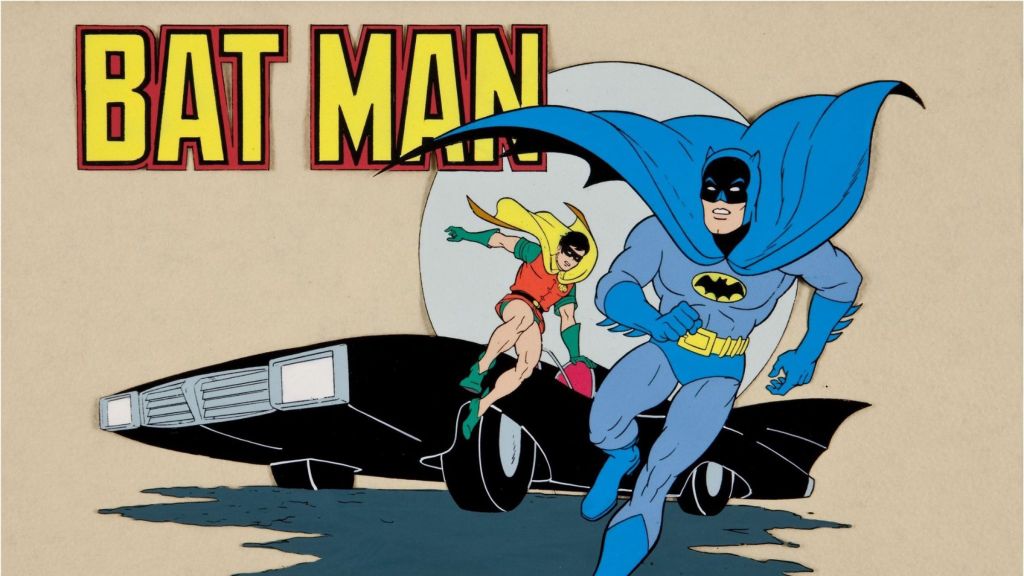
Filmation’s 1977 attempt to capitalize on the Batman craze, The New Adventures of Batman, is a fascinating but deeply flawed time capsule. The show is most notable for reuniting the stars of the 1966 live-action series, with Batman (voiced by Adam West) and Robin (voiced by Burt Ward) reprising their famous roles. Unfortunately, the production is marred by cheap animation and the baffling inclusion of Bat-Mite (voiced by Lennie Weinrib), a magical imp who constantly disrupts the plot with slapstick antics. The tone is aggressively campy without the self-aware wit that made the 60s show work, resulting in an awkward mix of serious crime-fighting and cartoonish buffoonery.
9) The Adventures of Batman (No Score)
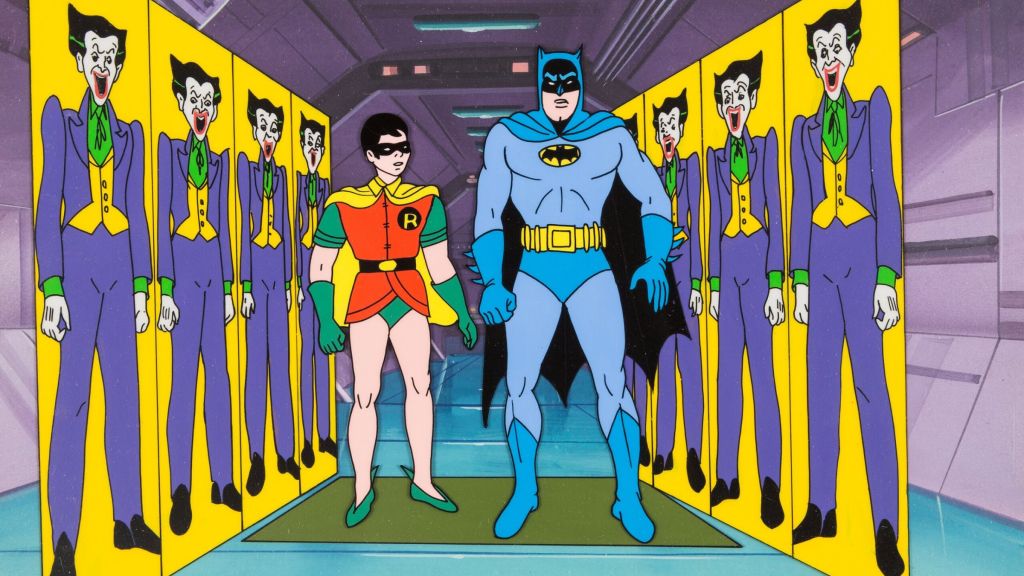
Airing in 1968, The Adventures of Batman was the first substantial attempt to bring the Caped Crusader to Saturday morning cartoons. The series features Batman (voiced by Olan Soule) and Robin (voiced by Casey Kasem) as straight-laced, deputized lawmen who fight colorful villains in simple and gadget-heavy capers. While it lacks the sophistication of later eras, there is an undeniable charm to its earnestness and its faithful adherence to the Silver Age comic book aesthetic. The stories are direct and unpretentious, featuring elaborate deathtraps and quick resolutions that were the rule of superhero media of the time. It ranks lower simply because it is a product of a limited era in animation, lacking the narrative depth or visual innovation that would later become synonymous with the franchise.
8) The Batman (No Score)

Premiering in 2004, The Batman faced the unenviable challenge of following the acclaimed DC Animated Universe, and it responded by carving out a completely different identity. The series adopted a graffiti-inspired art style and focused on a younger and inexperienced Bruce Wayne (voiced by Rino Romano) in the early days of his career. Although it initially divided fans with its radical redesigns of villains like the Joker (voiced by Kevin Michael Richardson) and the Penguin (voiced by Tom Kenny), the show eventually won over the fanbase with its fluid fight choreography and solid storytelling. Over five seasons, it expanded its scope to include Batgirl (voiced by Danielle Judovits) and Robin (voiced by Evan Sabara), proving that there was room for a fresh interpretation of the mythos.
7) The New Batman Adventures (No Score)

Often grouped with the 1992 original, The New Batman Adventures is technically a separate production that aired two years later with a revamped visual style and a greater focus on the Bat-Family. The series features a harder-edged Batman (voiced by Kevin Conroy) working alongside Nightwing (voiced by Loren Lester), Batgirl (voiced by Tara Strong), and a new Robin named Tim Drake (voiced by Mathew Valencia). While the streamlined character designs were polarizing, particularly the changes to the Joker and Catwoman, the writing remained exceptional by delivering some of the darkest and most emotionally resonant episodes in the franchise’s history. Classics like “Over the Edge” and “Mad Love” demonstrate the show’s narrative power, cementing its status as a top-tier adaptation. It misses the top spots only because it lacks a Tomatometer score, but it is undeniably elite.
6) Batman: The Animated Series (No Score)
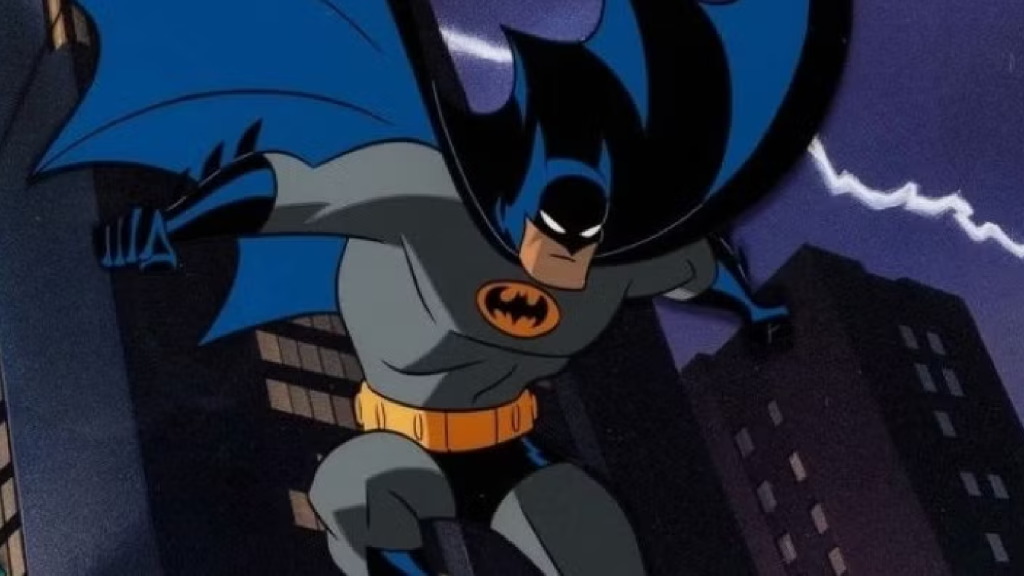
It may seem sacrilegious to place Batman: The Animated Series this low, but the strict rules of the Tomatometer relegate this show to the “unscored” section. In reality, this 1992 series is widely considered the greatest adaptation of Batman ever made, revolutionizing the medium with its “Dark Deco” art style and mature, psychological storytelling. It introduced the world to Harley Quinn (voiced by Arleen Sorkin), reinvented Mr. Freeze (voiced by Michael Ansara) as a tragic figure, and established Kevin Conroy and Mark Hamill as the definitive voices of Batman and the Joker. Its influence is immeasurable, setting the gold standard for how superheroes should be portrayed in animation. While the lack of accumulated reviews prevents it from taking the number one spot on a technicality, its reputation as the definitive on-screen version of the Dark Knight is secure in the hearts of fans everywhere.
5) Beware the Batman (82%)
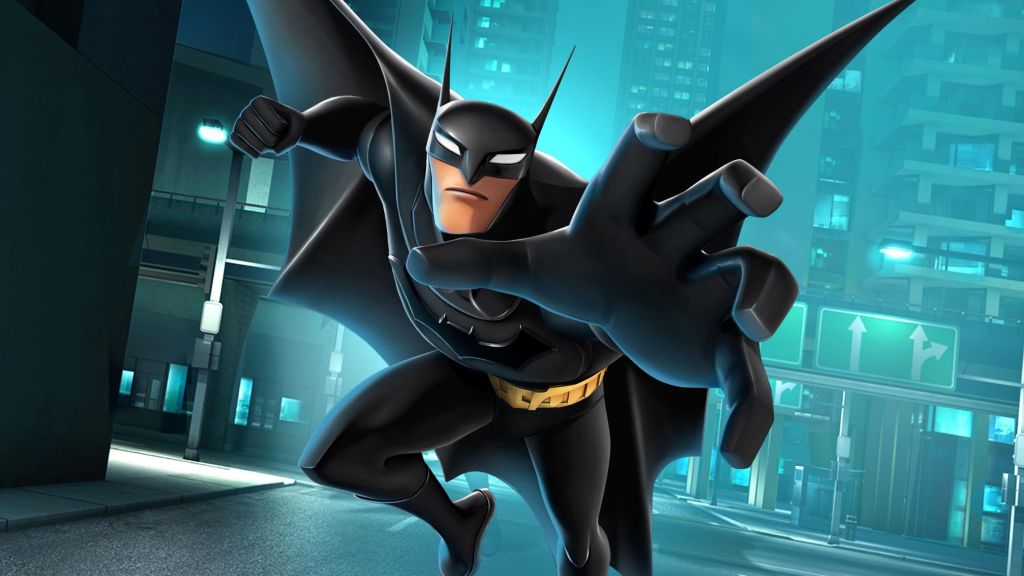
Beware the Batman is one of the franchise’s boldest experiments, a CGI series that deliberately avoided the usual rogues’ gallery to focus on lesser-known villains like Professor Pyg (voiced by Brian George), Magpie (voiced by Grey DeLisle), and Anarky (voiced by Wallace Langham). It also shook up the supporting cast, replacing Robin with the sword-wielding Katana (voiced by Sumalee Montano) and reimagining Alfred Pennyworth (voiced by JB Blanc) as a hardened ex-spy actively involved in field missions. Critics appreciated the show’s willingness to take risks with the character of Batman (voiced by Anthony Ruivivar) and its slick action sequences, earning it a solid 82% rating. However, the sterile computer-generated animation and the absence of iconic villains like the Joker alienated many viewers, leading to a premature cancellation.
4) Batman: Caped Crusader (94%)

One of the most recent additions to the canon, Batman: Caped Crusader, sees producer Bruce Timm returning to his roots with a series that doubles down on the 1940s period setting. Released on Prime Video, the show strips away the sci-fi technology and the extended Bat-Family to present Batman (voiced by Hamish Linklater) as a solitary and terrifying vigilante in a corrupt Gotham. Critics have praised its moody atmosphere and its commitment to a pulp-detective tone, resulting in an impressive 94% score. The series also challenges expectations with gender-flipped villains and a colder, more detached Bruce Wayne, proving that the classic formula can still feel fresh and unpredictable.
3) Batman: The Brave and the Bold (96%)
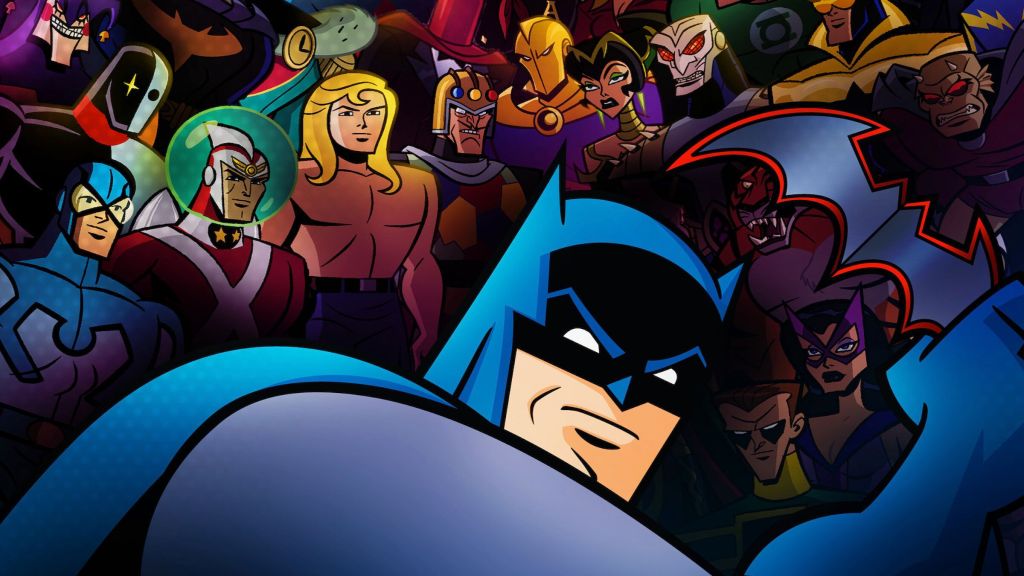
Batman: The Brave and the Bold is a vibrant and joyous celebration of the DC Universe that rejects the “grim and gritty” trend in favor of Silver Age fun. The series features Batman (voiced by Diedrich Bader) teaming up with a different hero in every episode, ranging from A-listers like Green Arrow (voiced by James Arnold Taylor) to obscure oddities like B’wana Beast (voiced by Kevin Michael Richardson). Critics fell in love with its infectious energy and its ability to balance campy humor with genuine respect for the source material, earning it a near-perfect 96% rating. The show also proved that Batman could be funny without being a joke, offering a demonstration of versatility that culminated in one of the most touching series finales in comic book history.
2) Bat-Fam (100%, 7 Reviews)
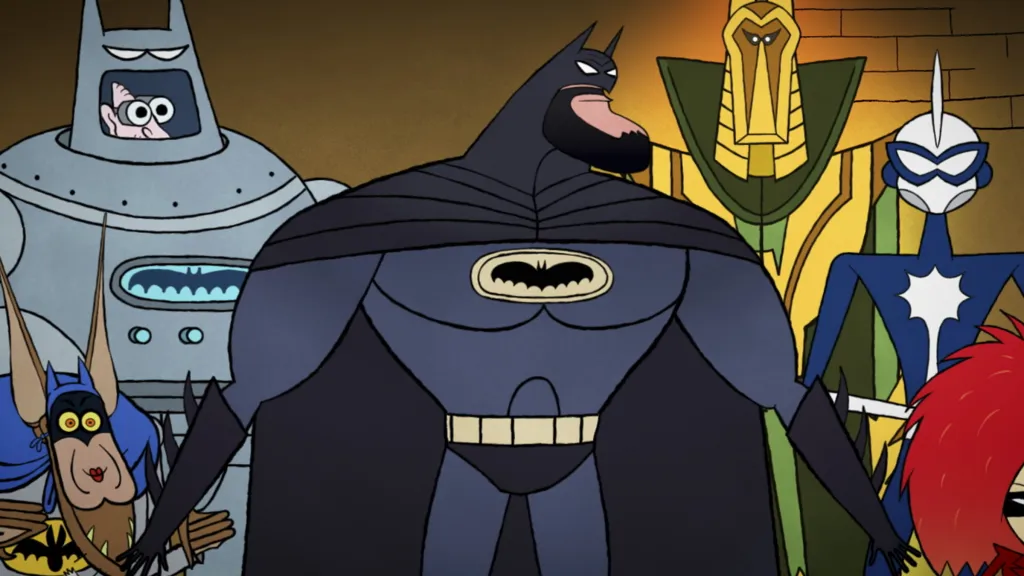
Spinning out of the animated movie Merry Little Batman, Bat-Fam has debuted with a perfect score, signaling strong critical approval for its idiosyncratic approach. The series focuses on the domestic trials of Bruce Wayne (voiced by Luke Wilson) as he attempts to raise his energetic son Damian (voiced by Yonas Kibreab) while navigating the absurdities of superhero life. The art style is sketchy and reminiscent of classic comic strips, matching the show’s humorous and heartwarming tone. Critics have responded to its unique focus on the father-son dynamic, which offers a wholesome counterpoint to the usual darkness of Gotham City. By prioritizing character relationships and family comedy over brooding angst, Bat-Fam has carved out a distinct niche in the Batman canon.
1) Batman Beyond (100%, 16 Reviews)
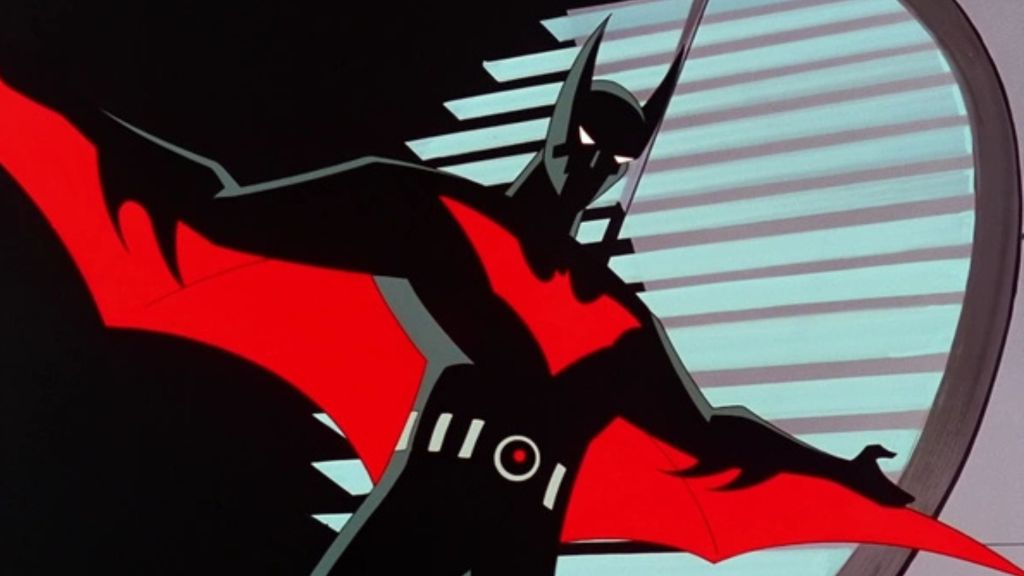
Taking the top spot with a perfect score and a higher review count is Batman Beyond, the 1999 series that dared to replace Bruce Wayne. Set in the cyberpunk future of 2039, the show follows teenager Terry McGinnis (voiced by Will Friedle) as he takes up the mantle under the guidance of an elderly, retired Bruce (voiced by Kevin Conroy). Batman Beyond is widely regarded as a storytelling triumph, successfully blending high school drama with futuristic sci-fi action while honoring the legacy of the original series. The dynamic between the brash new hero and his bitter mentor provided a rich emotional core, and the show’s invention of a terrifying new rogues’ gallery proved that the Batman concept could survive without its original lead.
Do you agree with the critics that Batman Beyond deserves the top spot over the original animated series? Leave a comment below and join the conversation now in the ComicBook Forum!
Most Viewed
-
Images courtesy of TriStar Pictures and Warner Bros. Pictures