Star Trek is a pillar of science fiction that has maintained a massive presence in popular culture for sixty years. The franchise began with a single television series in the 1960s and has since transformed into an ecosystem involving thirteen feature films and over a dozen separate television shows. Beyond the screen, the brand successfully expanded into the literary world with multiple novels and a persistent presence in the comic book industry through various publishers. The gaming sector also embraced the property, resulting in a diverse array of Star Trek video games. This immense library is a testament to the versatility of the concept created by Gene Roddenberry, which allows for endless exploration of human philosophy and scientific advancement.
Videos by ComicBook.com
The longevity of Star Trek is primarily the result of the high production standards and narrative quality seen in most of its chapters. Critics and fans have historically provided strong support for the various iterations of the crew, recognizing the intellectual depth and technical expertise required to build a believable future. This pattern of success remains visible in the current era of streaming, as evidenced by the positive reception of Star Trek: Starfleet Academy. The newest addition to the timeline achieved a high score on Rotten Tomatoes by successfully blending a coming-of-age narrative with the established lore of the United Federation of Planets. However, even a legendary franchise encounters creative difficulties during its long history, and a handful of Star Trek seasons failed to secure a fresh rating from critics on Rotten Tomatoes.
7) Star Trek: The Next Generation Season 2
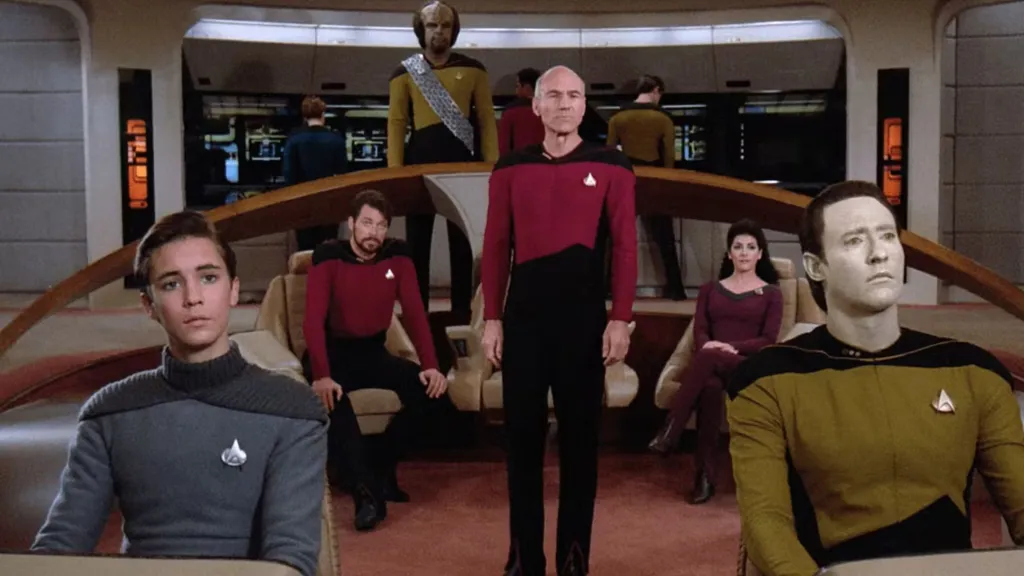
The second season of Star Trek: The Next Generation currently holds a 57 percent rating with seven reviews on Rotten Tomatoes. This rating is largely a result of the 1988 writers’ strike, which forced the production to use recycled scripts from a failed 1970s revival project. As a result, critics note that the season suffered from a lack of narrative direction and inconsistent characterization as the show struggled to find its identity. Another major point of contention was the departure of Beverly Crusher (Gates McFadden) and her replacement by Katherine Pulaski (Diana Muldaur), a character that many felt was an abrasive attempt to recreate the dynamic of the original series. Finally, the season also ended with “Shades of Gray,” a clip show that is widely considered the worst finale in the history of Star Trek. While the introduction of the Borg and the performance of Patrick Stewart as Jean-Luc Picard provided some highlights, the overall technical and creative shortcomings of the Star Trek: The Next Generation season prevented it from achieving a fresh status with critics.
6) Star Trek: Deep Space Nine Season 6
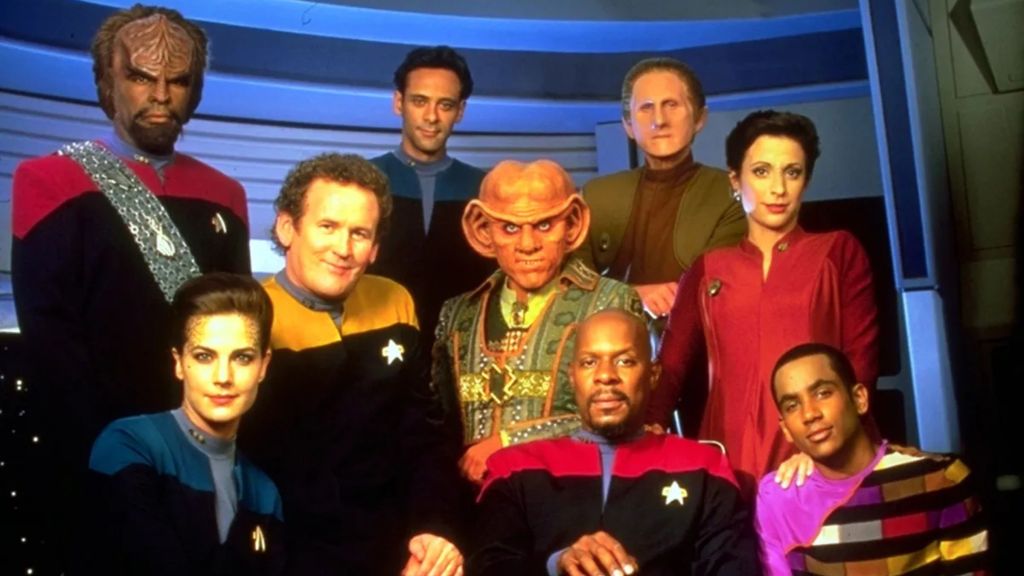
Critics gave the sixth season of Star Trek: Deep Space Nine a 57 percent score based on seven reviews, making it a rare underperformer in a generally beloved series. The primary reason for this score was the shift toward a darker and more serialized war narrative, which some reviewers felt abandoned the optimistic spirit of the franchise. While modern audiences often praise the Dominion War arc, critics were divided on the moral ambiguity of Benjamin Sisko (Avery Brooks) and the grim tone of the conflict. In addition, the season contains the episode “Profit and Lace,” which is frequently cited as a low point due to its poorly handled attempt at humor and gender politics. This inconsistency between the high-stakes drama of the war and the occasionally weak episodic writing led to a polarized reception.
5) Star Trek: Enterprise Season 3
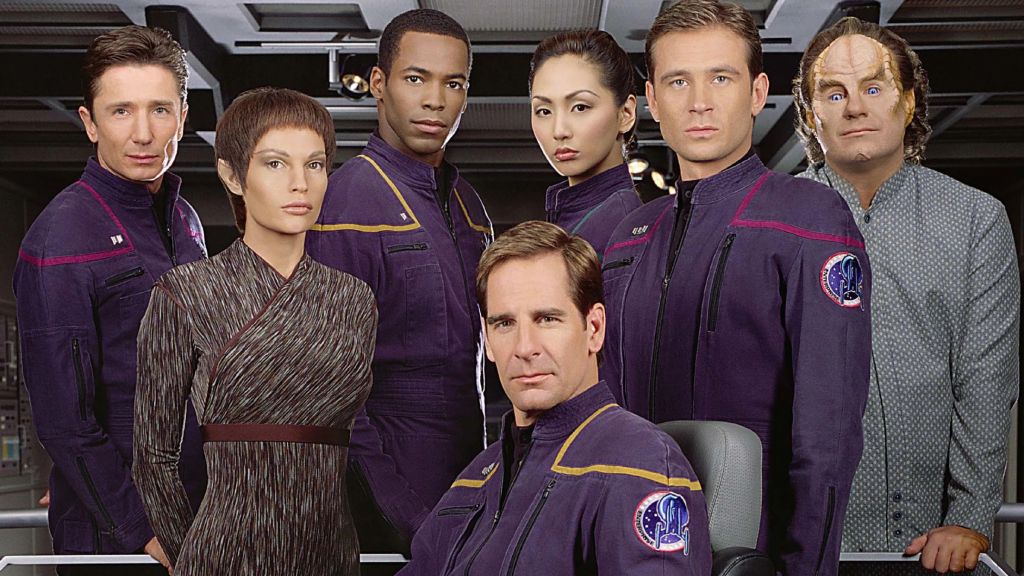
The third season of Star Trek: Enterprise sits at a 57 percent rating on Rotten Tomatoes with seven reviews—there’s a curious trend in these numbers. This season attempted a massive creative pivot by focusing on a season-long mission to stop a mysterious alien race known as the Xindi from destroying Earth. Critics argued that the shift into a more militaristic tone felt forced and unoriginal, often mirroring the political climate of the early 2000s in a way that lacked subtlety. Adding to that, Jonathan Archer (Scott Bakula) was depicted as a more aggressive leader, a move that alienated some fans who preferred the classic exploratory nature of the brand. Finally, the production also faced criticism for its reliance on action sequences over the philosophical storytelling that defined previous series.
4) Star Trek: The Original Series Season 3
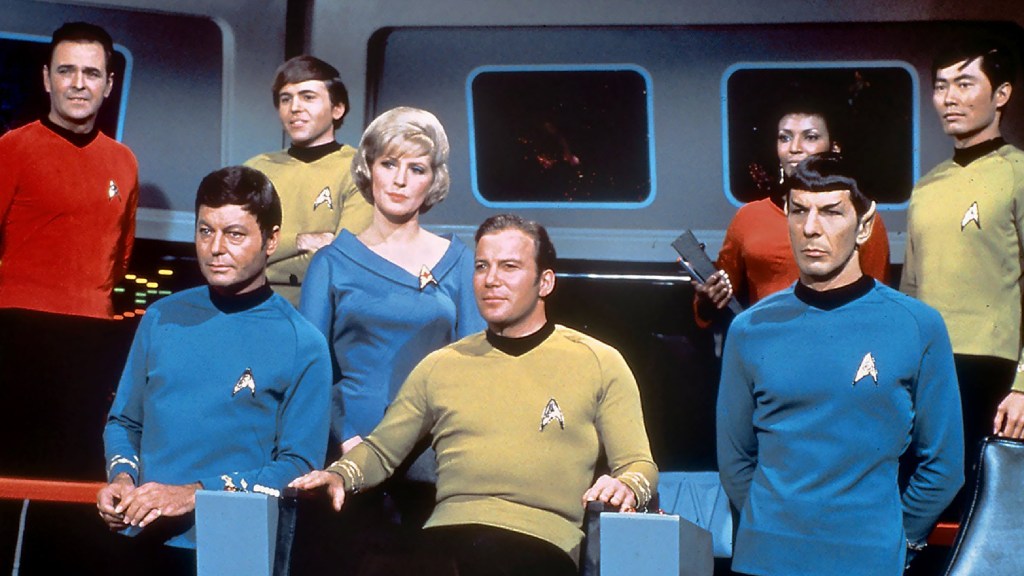
The final season of Star Trek: The Original Series holds a 50 percent rating with ten reviews, marking a significant decline from its earlier years. The first reason for this surprising score is that NBC moved the show to a late Friday night slot and significantly reduced the budget, leading to a noticeable drop in production values. Critics also observed that the writing became campy and lacked the intellectual rigor of the first two seasons. Because of that, this era produced several episodes that are now considered some of the weakest in the franchise, including “Spock’s Brain” and “The Way to Eden.” While the performances of William Shatner as James T. Kirk and Leonard Nimoy as Spock remained professional, they could not save scripts that were clearly hampered by the network’s lack of support.
3) Star Trek: Voyager Season 2
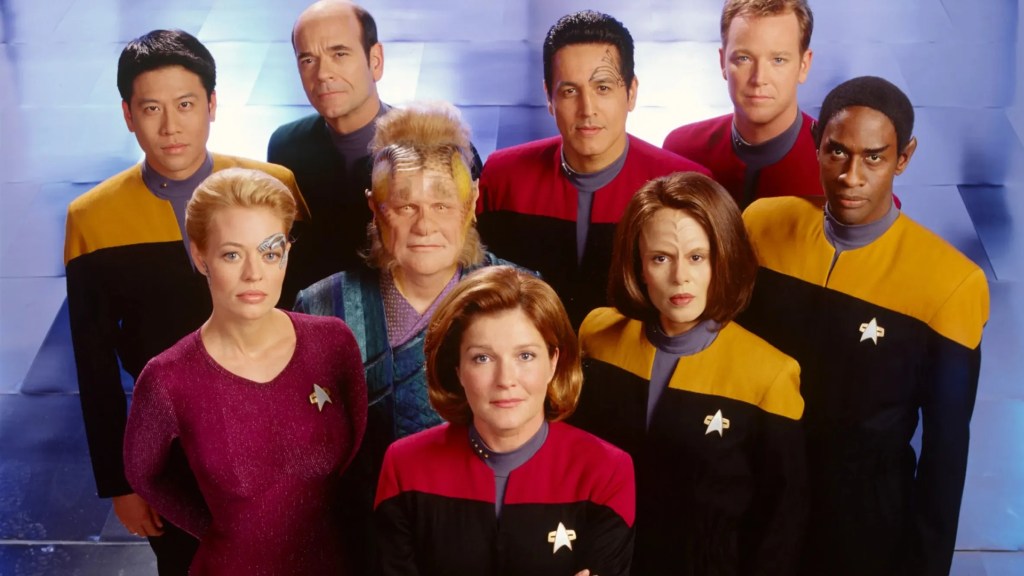
Star Trek: Voyager Season 2 received a 33 percent rating from critics based on six reviews on Rotten Tomatoes. The main complaint during this period was the show’s inability to capitalize on its premise of a crew stranded far from home. Instead of exploring the dangers of the Delta Quadrant, the setting’s limitations often led to the series relying on familiar tropes and weak antagonists like the Kazon. In addition, reviewers found the character development for Kathryn Janeway (Kate Mulgrew) and her crew to be stagnant, as the show frequently hit a reset button at the end of every episode. The season is also home to “Threshold,” an episode so widely disliked for its absurd plot regarding human evolution that it became a persistent meme within the community.
2) Star Trek: Enterprise Season 2
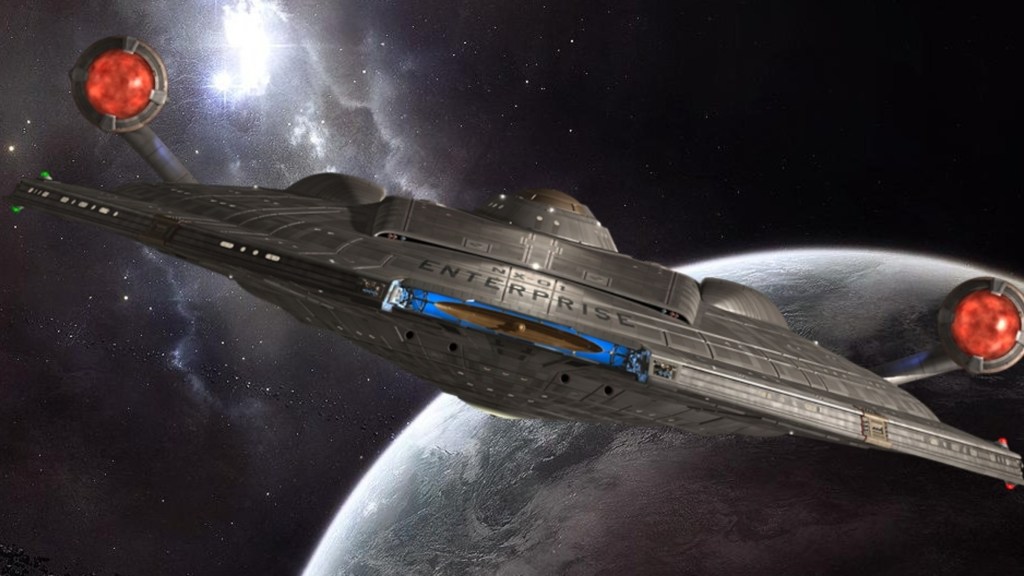
Reviews for the second season of Star Trek: Enterprise were particularly harsh, resulting in a 33 percent rating from six reviews. Critics argued that the show was stuck in a creative rut, frequently recycling plot points from the more successful seasons of Star Trek: The Next Generation. By then, the sense of prequel wonder that was present in the first season vanished, replaced by formulaic episodes that failed to push the characters or the setting forward. On top of that, Jonathan Archer and the rest of the crew were seen as underdeveloped, and the show struggled to create a unique identity within the larger universe. By the end of this run, the consensus was that the franchise was in desperate need of a major creative overhaul to avoid irrelevance.
1) Star Trek: Voyager Season 6
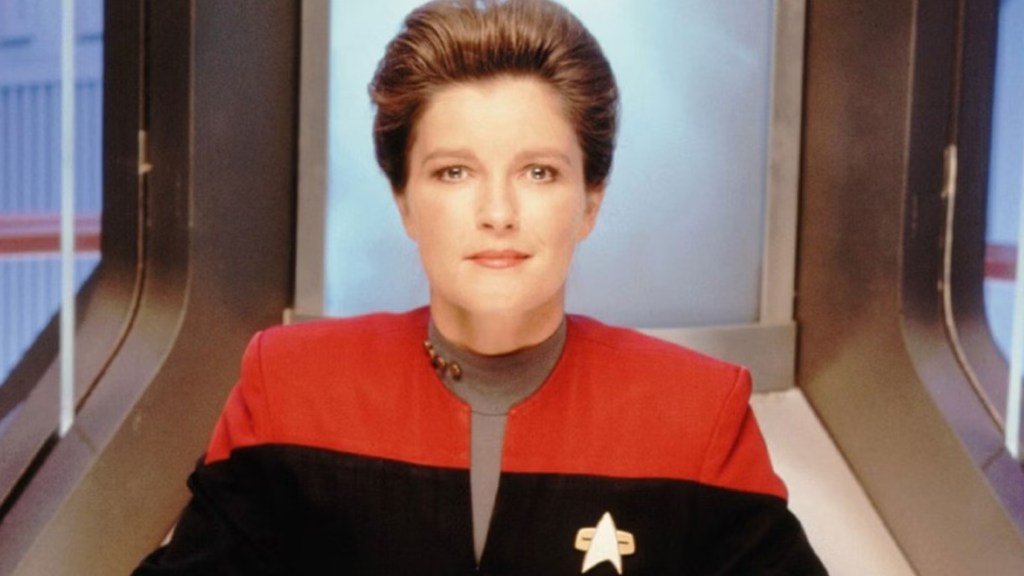
The sixth season of Star Trek: Voyager represents the lowest point for the franchise in terms of critical reception, as three out of the four reviews recorded on Rotten Tomatoes are negative. Although it lacks a formal percentage due to the low number of reviews, the critical sentiment is the most consistently poor of any era. Reviewers argued that by its sixth year, Star Trek: Voyager had become overly reliant on Seven of Nine (Jeri Ryan) and the Doctor (Robert Picardo) to carry the narrative weight. The supporting cast was largely ignored, and the writing felt repetitive, often revisiting the same themes without offering new insights. Critics also noted that the show seemed to lose interest in its own stakes, as the journey overseen by Kathryn Janeway (Kate Mulgrew) felt less like a desperate struggle and more like a series of disconnected adventures.
Which season of Star Trek do you think was treated too harshly by critics on Rotten Tomatoes? Leave a comment below and join the conversation now in the ComicBook Forum!
Most Viewed
-

Image courtesy of Daybreak Game Company -

Image courtesy of Wizards of the Coast -

Courtesy of Netflix