
Stranger Things has always been a show built on mystery and the thin veil between our world and the Upside Down. While the series finale gave fans a deeply emotional ending for most members of the main Hawkins crew, the dust hasn’t entirely settled on others. After years of theorizing about the Mind Flayer, Vecna’s true nature, and the fate of our favorite small-town heroes, the final credits left behind a trail of breadcrumbs that don’t quite lead anywhere. From character disappearances that were never addressed to logistical leaps that defy the show’s established logic, some plot points felt more like shadows in the Abyss than concrete conclusions.
Videos by ComicBook.com
Even with the Upside Down destroyed and the gate supposedly closed for good, certain questions linger, suggesting that the logic of the Stranger Things universe might be just as fractured as the barrier between dimensions.
8) Where Did Vickie Go?
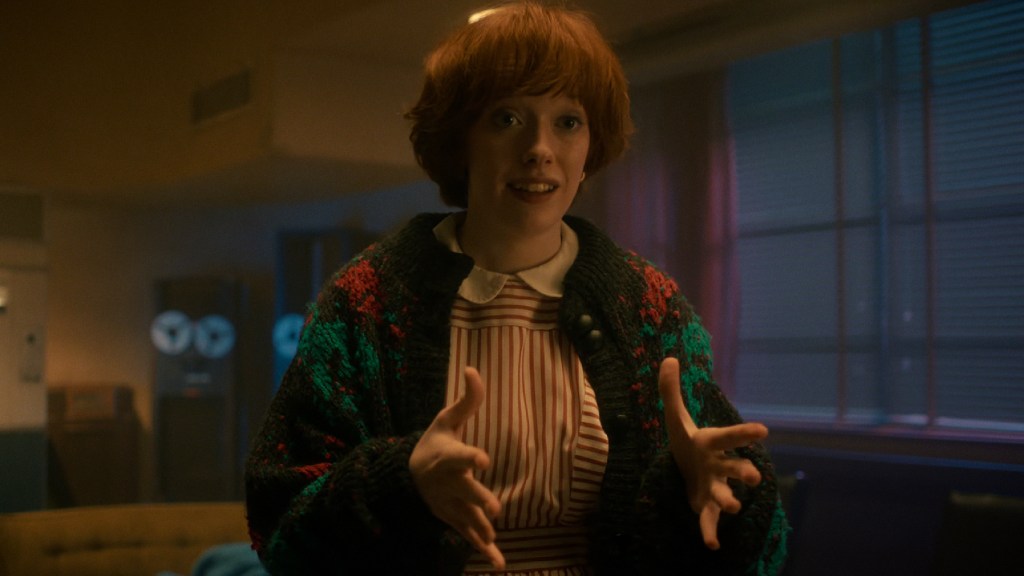
Vickie’s arc felt like it was building toward a significant payoff, especially after she joined the inner circle during the final stand against the Mind Flayer. She was clued in to the supernatural happenings and was poised to stand alongside Robin in a more meaningful way after surviving the unbelievable. However, her presence (or lack thereof) in the epilogue was reduced to a passing, almost dismissive throwaway line from Robin about “overbearing” girlfriends, leaving her personal resolution up to the viewers’ collective imagination.
For a character who had just witnessed Demogorgons invading a hospital and the world nearly ending, simply disappearing into the unexplained feels like a waste. Given her chemistry with Robin and the way she came through for the entire group (particularly Max), fans expected more than a vague, easily missed line. It is jarring that someone so important to the final act would be sidelined without a proper goodbye or a clear future for her character.
7) What Happened to Mr. Clarke and Erica When the Military Detained Them?
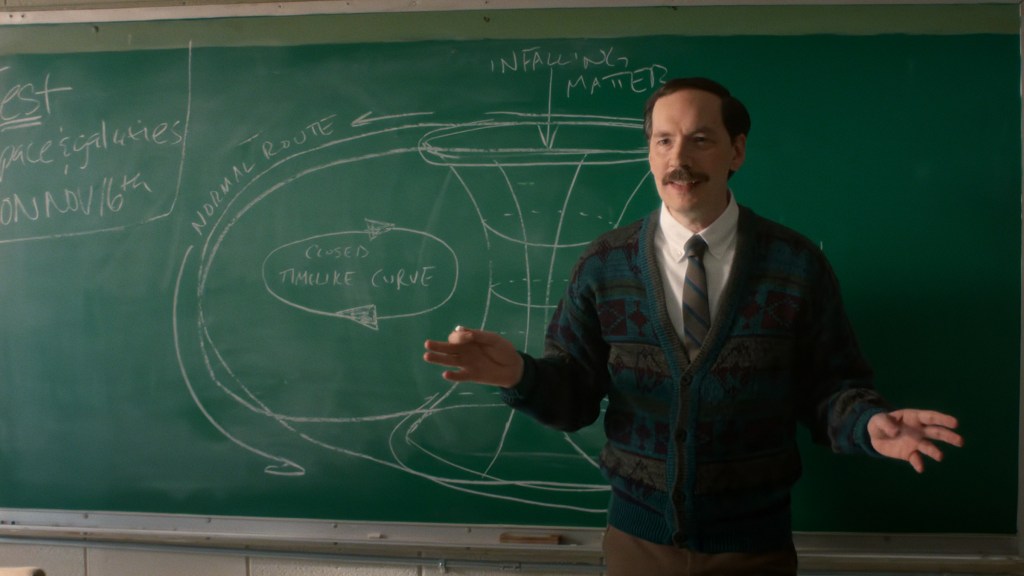
During the height of the chaos, Mr. Clarke and Erica found themselves in the crosshairs of a military that had lost its patience. After the two were seemingly detained by Dr. Kay and her subordinates, the aftermath was glossed over in favor of the larger battle. We never see the fallout of two fan-favorite characters being captured and likely interrogated by ruthless soldiers hellbent on capturing Eleven.
The lack of follow-up on their trauma, even for just a passing moment, creates an odd gap in the timeline. Without seeing their release (or any of the Party being released by the military), their capture feels like a discarded plot device used only for temporary suspense rather than actual character development.
6) Why Did the Kids Never Mention Henry’s Last Name?

One of the most glaring oversights involves the connection between Henry Creel and the town’s history. The kids (both the older teens and the younger ones) are relentless researchers, yet they somehow failed to mention the Creel family name, despite Nancy having witnessed the Creels’ entire past through Vecna’s memories. More importantly, it seems impossible that none of the parents or adults mentioned that they went to high school with a Henry Creel, even briefly.
In a small town where everyone knows everyone’s business, the Creel name should have been an immediate red flag, especially considering that Victor Creel was well known as the purported murderer of his entire family. It stretches belief that such a notorious local tragedy wouldn’t have left a trail of names that the Party would have recognized or mentioned to their parents.
5) Where Was Max’s Mom?

Max Mayfield’s fate was a huge emotional question of the final season, yet her mother was curiously absent from the final season and the immediate aftermath. After losing Billy and facing the near-death of her daughter, one would expect Mrs. Mayfield to be a constant, grieving presence at the hospital. Instead, she seemed to vanish entirely, leaving Max’s friends to handle the emotional heavy lifting.
While the show focuses on the found family trope, ignoring an established parent during such a catastrophe feels inconsistent. Mrs. Mayfield’s absence makes the world feel emptier and less realistic. For a woman who had already endured so much trauma, her failure to keep vigil at Max’s bedside is a glaring oversight in the final season.
4) Happened to Dr. Owens?
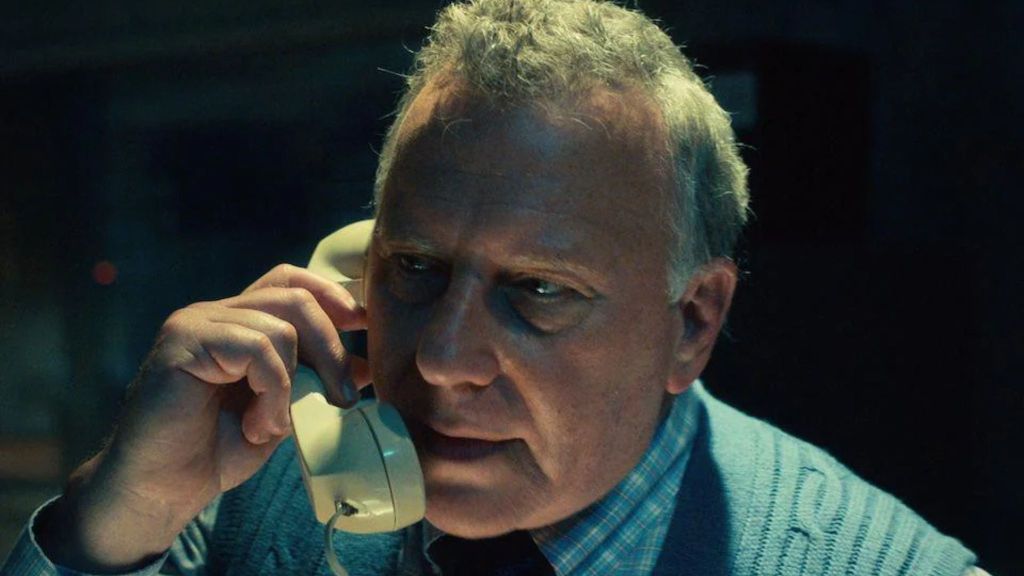
Dr. Sam Owens was a pivotal moral compass since Season 2, even risking his life on multiple occasions to protect Eleven and balance the military’s wrongdoings. After being left handcuffed and abandoned in the Nevada desert facility, his fate was never explicitly confirmed. It is bizarre that a character of his importance, who held the keys to so many government secrets, was simply forgotten as the world crumbled around him.
Did he survive the military’s raid, or was he left behind to succumb to the elements? His disappearance feels like a loose thread that should have been tied off, especially considering his deep bond with the Byers family and Eleven. Leaving a fan-favorite character in a literal desert without a resolution feels like a disservice to his arc and leaves a significant question mark over the government’s remaining power.
3) Did Hopper Think Eleven Was Alive?
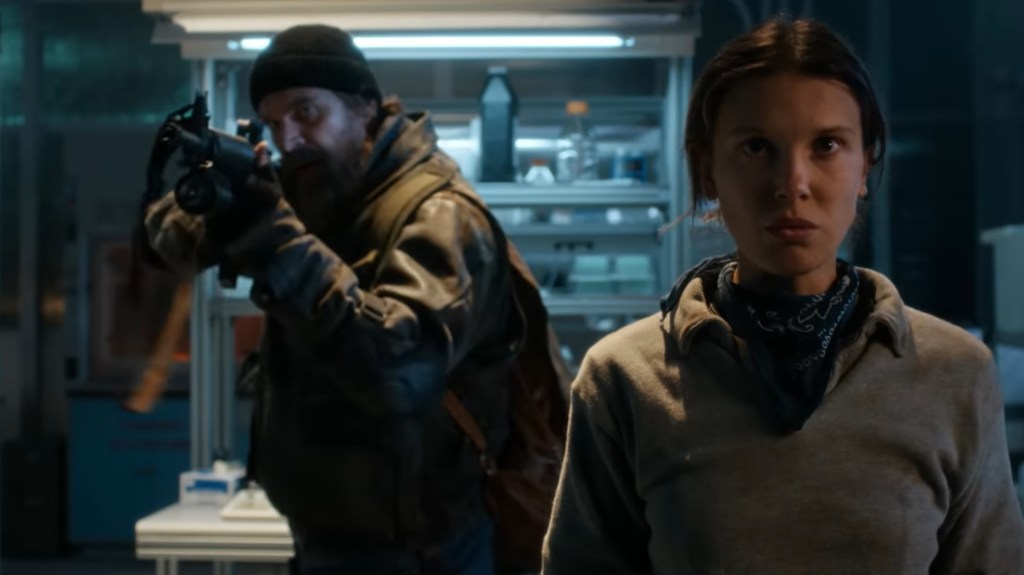
Mike’s theory that Eleven might still be alive somewhere out there was a driving force in the final minutes of the series. But Hopper’s response to Eleven’s “death” was surprisingly muted. In the 18-month epilogue, Hopper seemed uncharacteristically calm and adjusted after losing his second daughter. Given his history of losing Sarah and his frantic protectiveness over Eleven, his willing acceptance of her “disappearance” doesn’t align with the man we have come to know over the last decade.
It is hard to believe that Hopper wouldn’t be tearing the world apart for any sign of her, much like he did in the first season for Will. Though Eleven asks Hopper to respect any choices she would go on to make during the final battle, his overly calm demeanor when talking to Mike before graduation suggests he either knew something the audience didn’t or that his character development took a sharp turn toward resignation. This lack of urgency feels like a betrayal of the fierce father-daughter bond that defined the series.
2) What Is Happening at Montauk?
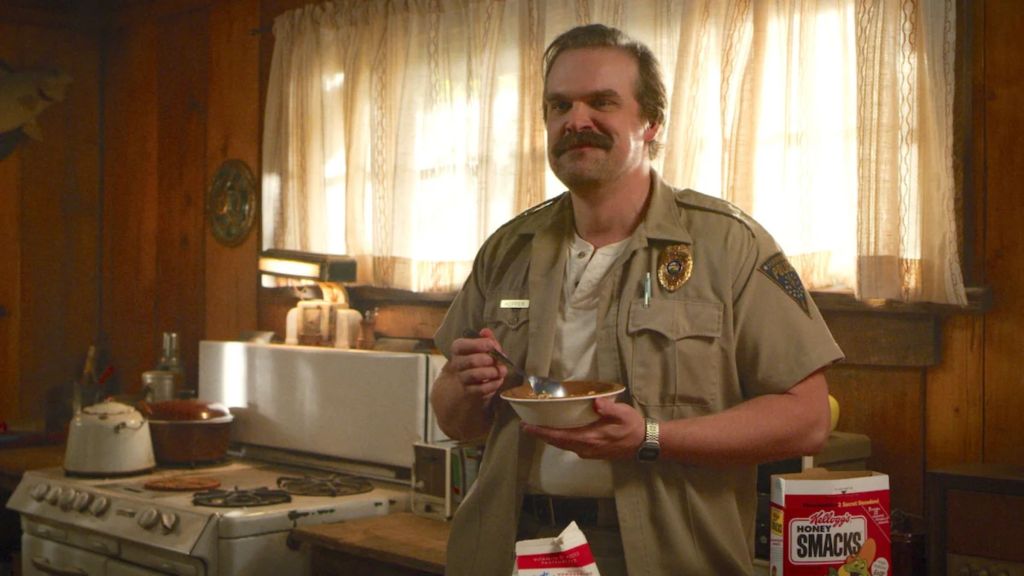
In a surprising turn, Hopper is offered a job as the chief of police in Montauk, New York. This is a massive meta nod, as Montauk, Long Island, was the original title and setting for the show during development. However, within the story, this feels like an ominous hint rather than a happy ending. Why would Hopper be sent to another small town with a history of strange occurrences, conspiracy theories, and government Cold War-era experiments?
The offer raises the question of whether supernatural events are beginning to manifest elsewhere in response to the Montauk Project, or if someone like Dr. Owens is pulling strings from the shadows. If this was intended as a spinoff setup, the finale left too much unsaid. Without more context, the Montauk reference feels like an inside joke that accidentally creates a massive, unexplained shift in the status quo for the show’s main hero.
1) Was Henry Really Compliant With the Mind Flayer on His Own Free Will?
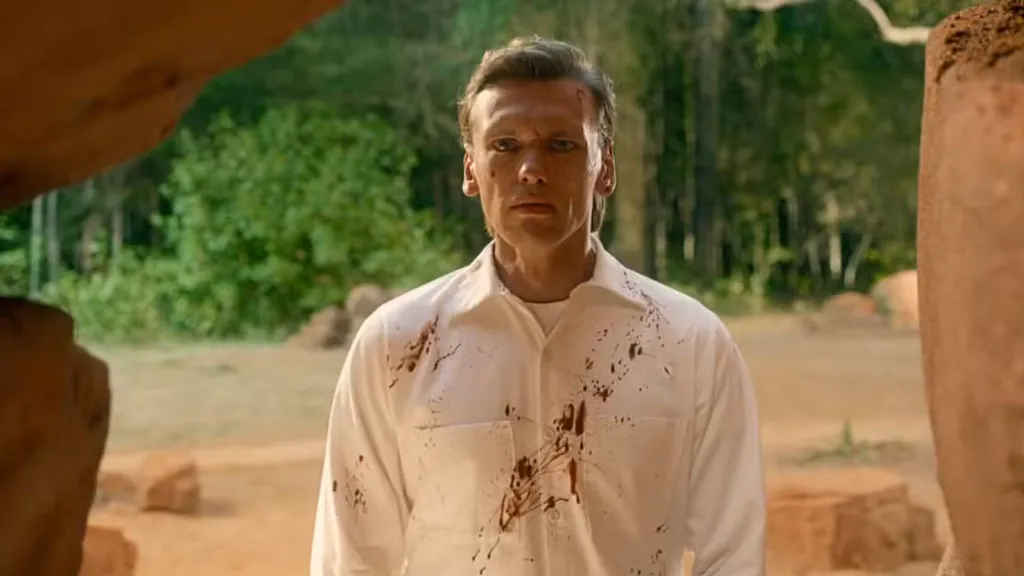
Henry’s confession to Will that he intentionally joined the Mind Flayer and accepted working with it is perhaps one of the most debatable moments of the finale. It suggests a level of inherent evil and agency that is hard to reconcile with his young age at the time of his possession. Was he truly a willing participant, or was his “choice” actually the result of the Mind Flayer’s corrupting influence reflecting Henry’s own fear back at him?
At such a young age, it is questionable whether Henry had the cognitive capacity to understand the cosmic consequences of his actions. It is entirely possible that his memory of “choosing” the dark was a psychological defense mechanism or a manipulation by the entity itself. By framing him as a pure villain, the show ignores the nuanced possibility that he was also a victim.
What do you think? Leave a comment below and join the conversation now in the ComicBook Forum!
