The 2010s era of seasonal anime was absolutely massive, introducing franchises that would skyrocket anime as a medium from a niche hobby into a mainstream media giant. Shows like Attack on Titan, Demon Slayer, and My Hero Academia took center stage for much of the decade, however, shonen isn’t the only demographic that received stunning adaptations during this time. Shojo anime began experiencing somewhat of a renaissance during the 2010s, with stunning anime adaptations tackling stories from every corner of the demographic picking up steam community-wide. One such series, the anime adaptation of Orange based on the original manga by Ichigo Tanako which was produced by Telecom Animation hit harder than anyone could have expected.
Videos by ComicBook.com
Orange, a sci-fi drama following the tragic events surrounding a group of high school friends is iconic for its time-bending narrative and rich character writing. Following Naho Takamiya, a second-year high school student who begins to receive mysterious letters addressed from her future self. Curiously, the letters seem to accurately predict events that begin happening to Naho, up until she gets acquainted with Kakeru Naruse, a mysterious transfer student from Tokyo. The story takes an immediate turn as Naho opens a letter from her alleged future self warning her of Kakeru’s tragic fate in the future, giving her instructions to hopefully change his fate.
Orange Is a Beautifully Heartbreaking Story That Transcends Time
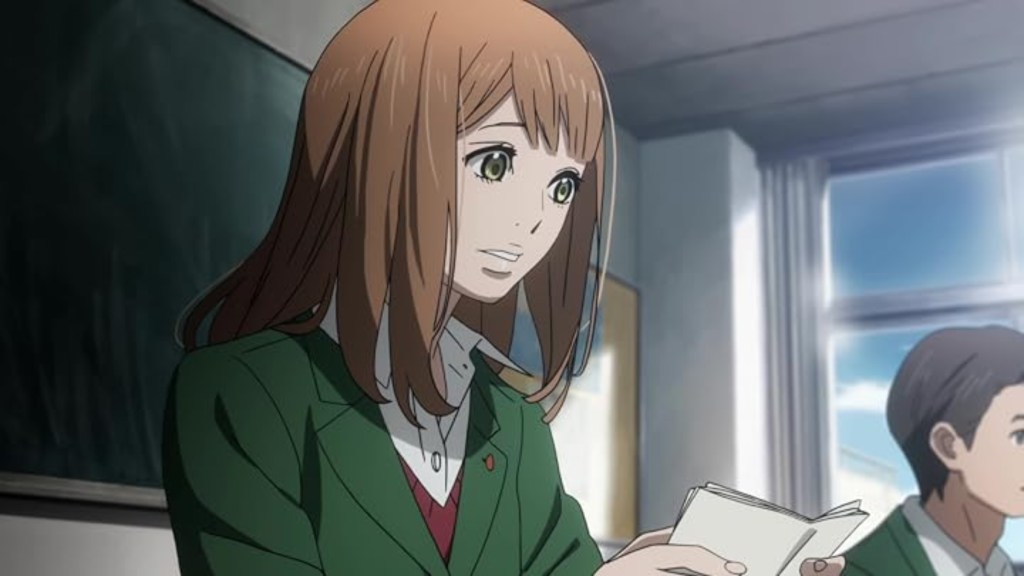
Something that really works in Orange‘s favor is how different it was from other shojo anime releasing around the same time. Shojo as a demographic has always had a wide variety of genres it explores, however, most anime fans will be best familiar with the many popular romance series picked up for anime adaptations, with other popular shojo anime from the 2010s including series like Kamisama Kiss or Say I Love You. Compared to those, Orange offered something different: a heartbreaking race against time and the future itself to see if Naho can literally change fate and save the life of the person she loves.
Furthermore, Orange doesn’t hold back when it comes to delivering interesting, emotionally devastating twists. Early on in the anime’s narrative, audiences get a glimpse at the future Naho and the rest of her friends are trying to prevent — revealing that in this version of the future, Naho and one of her other male friends, Suwa, are married with a child. As it turns out, Suwa has been writing to his past self too, and, despite his seemingly happy family life with Naho, is trying to help change fate and save Kakeru for Naho’s sake.
While some series may try to turn a plot thread like this into a love triangle, instead, Orange uses this to make the time-bending story it weaves that much more heartbreaking, showing that Suwa loves Naho so much that he’s willing to set aside his happy future with her just so that she can be happy with the person she loves and so that his friend might be able to move forward and make it to adulthood.
How Orange’s Finale Broke Hearts Across Two Timelines
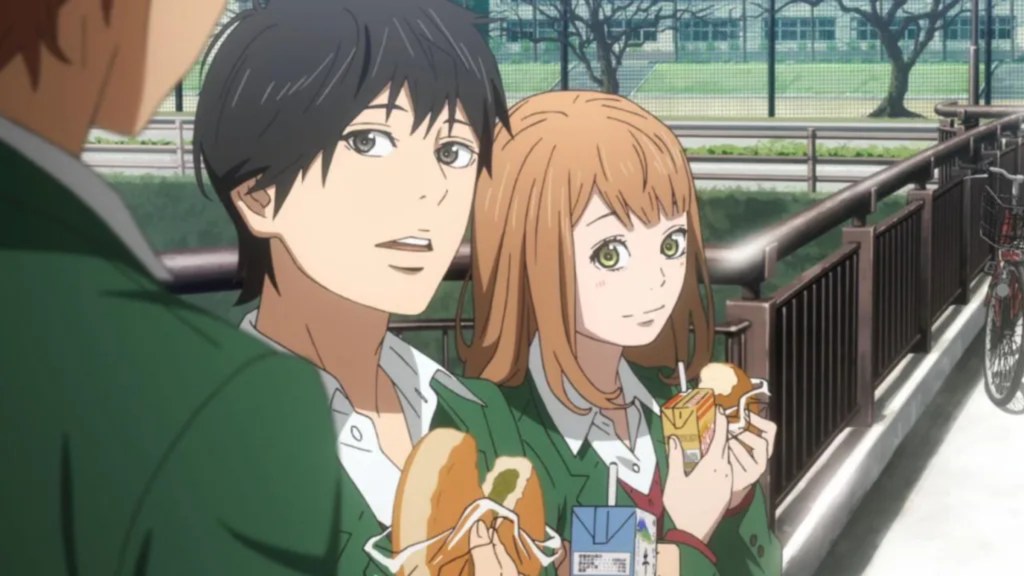
Orange has an ending that, while it accomplishes the goal the main characters set out to achieve, can’t help but make fans of the series feel an overwhelming sense of somberness. Naho, Suwa, and the rest of their friends are able to succeed in saving Kakeru’s life. This creates a separate timeline: one where Naho and Kakeru stay together, fall in love, and eventually get married and spend their lives together. However, the original timeline still exists, with the versions of Naho and Suwa that sent letters into the past both receiving a dream showing them a glimpse into the future where Kakeru lives, confirming to both of them that they succeeded in reaching back into the past and saving him.
The finale is bittersweet, as it shows that while the first timeline’s versions of Naho and Suwa will be able to continue their life together, they’ll always be thinking of the new timeline that they can never be apart of. The anime adaptation of Orange has 13-episodes compared to its 39-chapter manga, with Telecom Animation brilliantly condensing the story down to focus on its key themes, giving its cast a feeling of urgency in their fight to alter fate and be there for Kakeru when he needs it most.
Orange has been incredibly well received over the last decade following the anime’s conclusion, with the English release of the manga from Seven Seas Entertainment ranking first on the New York Times Best Seller List for manga in 2016, and being nominated for the 2017 Eisner Award in the “Best U.S. Edition of International Material.” With the series currently having an ongoing spin-off series in Monthly Action, fans of the series have the chance to revisit Orange‘s sci-fi world with a brand-new cast of characters.
More Anime
-
Image Courtesy of Toei Animation -
Image Courtesy of Pierrot -
Image courtesy of Shueisha -

Image Courtesy of Shueisha -

Image Courtesy of Netflix / 20th Century Fox