For quite some time, many shonen fans believed that Dragon Ball GT would always be seen as the “Black Sheep” of the Z-Fighters’ franchise. Luckily, Dragon Ball Daima took quite a few elements from the Grand Tour in order to add some serious excitement to the original anime story. Goku went Super Saiyan 4 for the first time in continuity, and Vegeta did the same with Super Saiyan 3, scratching off a major item from many anime fans’ bucket lists. Though Dragon Ball GT is an odd installment in the franchise, its villains are unique, and their power scale is off the charts. GT being labeled an odd and non-canon series became more common after Dragon Ball Super debuted.
Videos by ComicBook.com
With the latest installment, Dragon Ball Daima, incorporating some of GT’s best elements and making them partially canon, such as Goku’s Super Saiyan 4, GT may now feel narratively redundant. That said, the series is far from a bad installment, as it features many strong elements, including some of the franchise’s best villains. While the Shadow Dragons stand as some of the strongest villains in the entire franchise outside of Super, there are two other uniquely powerful antagonists as well.
Dragon Ball GT Was a Huge Gamble Due to Its Unique Premise
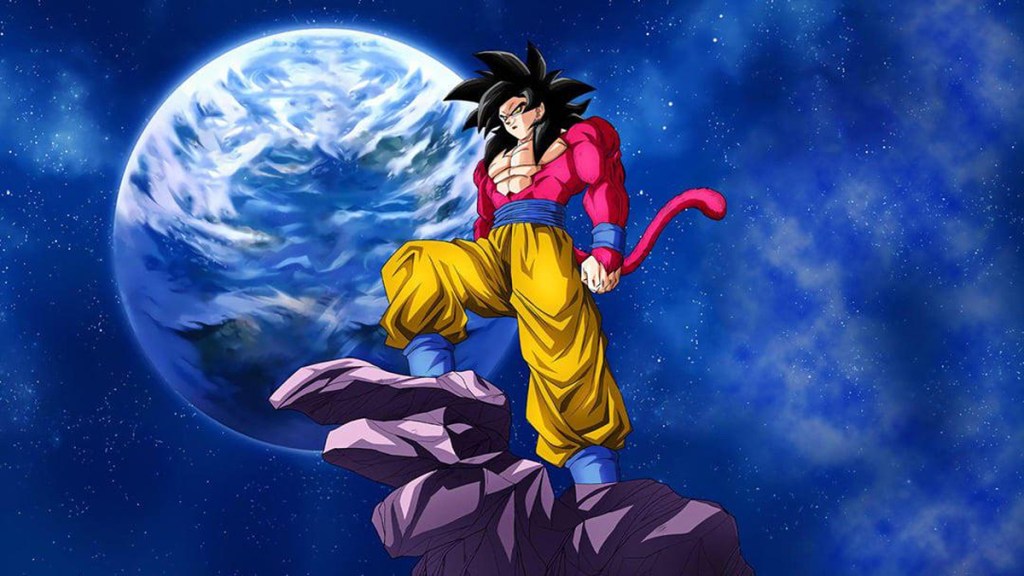
GT’s most defining decision is turning Goku back into a kid and sending him on a space spanning hunt for the Black Star Dragon Balls. It was a deliberate attempt to pull the series back toward the playful, exploratory tone of early Dragon Ball. It also signals that the show wants to be a journey again, which matches Toriyama’s own explanation of the “Grand Touring” idea.
The problem is not that the premise is invalid. The problem is that the execution struggles to generate momentum. The early stretch can feel like it is searching for the exact blend of comedy, adventure, and stakes that made the original so breezy. Meanwhile, the audience is carrying Z in their bones, where tension tends to build through clear escalation. GT asks viewers to trade that for episodic wandering, then occasionally asks them to care like it is still Z. Some fans love that throwback ambition. Others experience it as a stall, because the show has not yet earned the slower pace with enough charm or focus.
Dragon Ball GT Isn’t the Best, But It Doesn’t Deserve the Hate
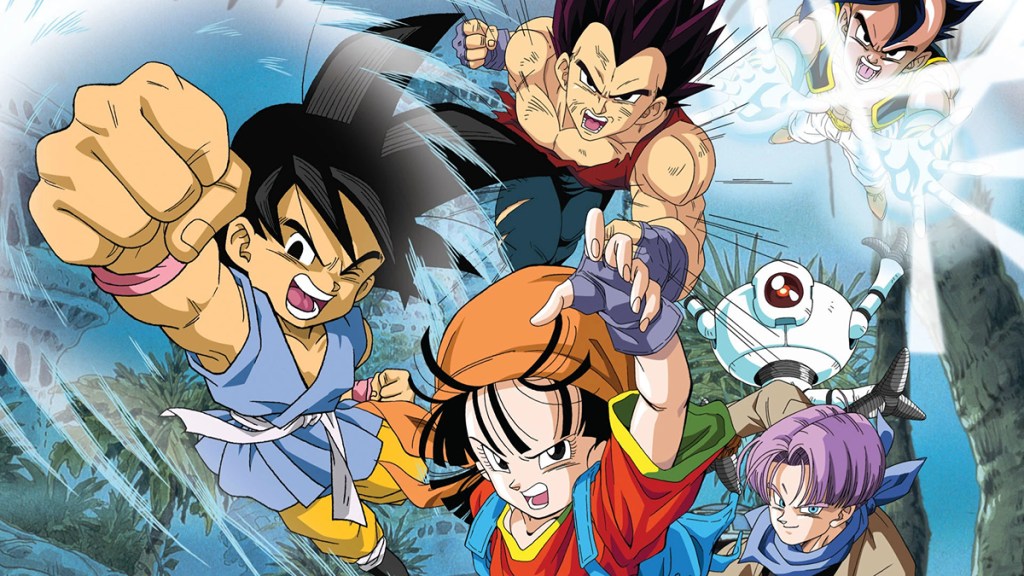
If GT has a stretch that makes its existence feel justified, it is the Baby saga. Baby is not simply another strong opponent. The idea ties directly into Saiyan history through the Tuffles and reframes “Saiyan pride” into something with consequences. The possession element also gives the arc a different kind of tension, because the threat spreads through characters you already care about. It is not only about whether Goku can win. It is about whether the world around him can be recovered.
This is also where Super Saiyan 4 arrives, and it remains GT’s most enduring contribution. SSJ4 looks like a return to something older and wilder, pulling from Great Ape imagery and Saiyan roots. Even people who bounce off GT often admit SSJ4 is a striking idea, and it has stayed alive in games and merchandise for a reason.
GT was always going to be judged harshly. But it also proves that Dragon Ball can survive reinterpretation, but it also proves that continuation is not just a matter of having more enemies to fight. It is a matter of voice. So yes, it is polarizing. But polarizing is not the same as empty. Thirty years after Feb. 7, 1996, GT remains the franchise’s most instructive sequel.
Do you think Dragon Ball GT deserves more appreciation despite the fan backlash? Which part of the series do you think holds up best today? Share your thoughts in the comments.
More Anime
-
Image Courtesy of Madhouse -
Image Courtesy of Toei Animation -
Image Courtesy of Ufotable -
Image Courtesy of Paramount+ -

Image Courtesy of Toei Animation -
Image Courtesy of P.A. Works -

Image Courtesy of Shueisha