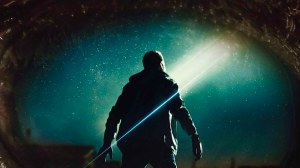
My Hero Academia draws inspiration from superhero franchises like Marvel and DC, and Deku is often compared to one hero in particular — though his new replacement has more in common with the character than he does. In a sense, all superhero anime lean into the conventions and tropes popularized by these major franchises. However, My Hero Academia goes out of its way to pay homage to them, featuring visual allusions to their comics and reimagining well-known powers as Quirks.
Videos by ComicBook.com
This gives eagle-eyed Marvel and DC fans plenty of Easter eggs to pick up on, which makes My Hero Academia even more fun to watch. From small details, like Toga’s mask, to the Batman-like image of Deku standing atop a building, the manga and anime are rife with references. Even viewers who aren’t looking for comic-book nods will notice the biggest similarities, including the Marvel hero Deku has the most in common with. There’s no denying the likeness, though his franchise successor embodies the character even more.
My Hero Academia Fans Often Compare Deku to Spider-Man
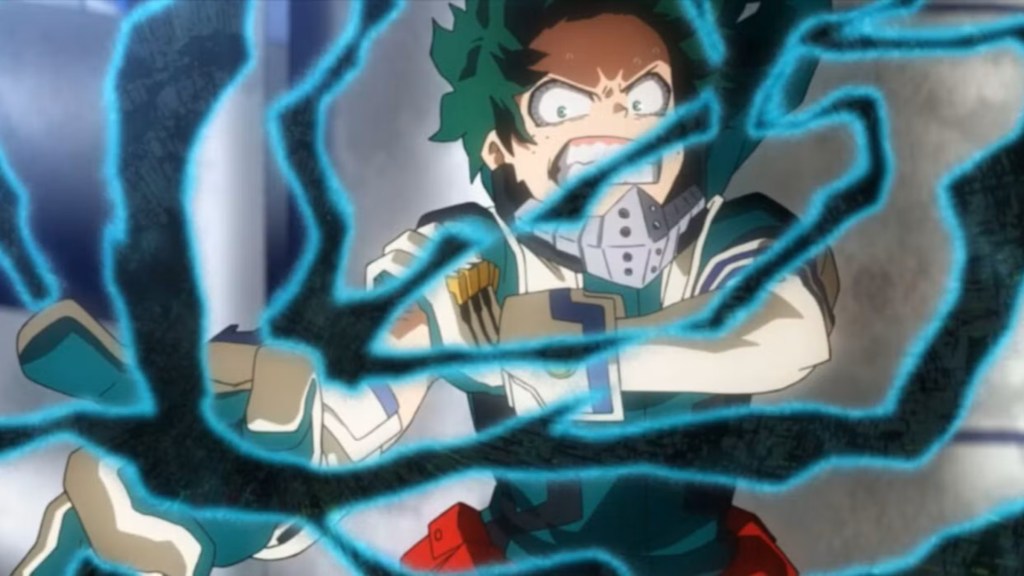
There are many parallels that can be drawn between My Hero Academia and Marvel, but one of the most common connections fans make is to compare Deku to Spider-Man. It’s not hard to understand why people see similarities. At their core, both characters are underdogs who start out with nothing but admiration for other heroes. This likeness is especially notable when you compare My Hero Academia‘s lead to the Marvel Cinematic Universe’s version of Spidey. Both are prone to geeking out over famous supes, and both are taken in and trained by heroes they admire (All Might and Iron Man, respectively).

When Deku uncovers the Quirks within One for All, these comparisons make even more sense. Blackwhip functions much like Spider-Man’s web-shooters, and the characters use these abilities in the same way: to swing from building to building and restrain their opponents. Deku also inherits Danger Sense from One for All, which is a clear riff on Spider-Man’s Spidey Sense in both name and function. With their personalities and powers having such clear overlap, it’s no surprise that Deku is basically anime’s Spider-Man. I’d argue Koichi fits the description even better, though.
Vigilantes’ Koichi Is Even More Like the Marvel Hero Than Deku Is
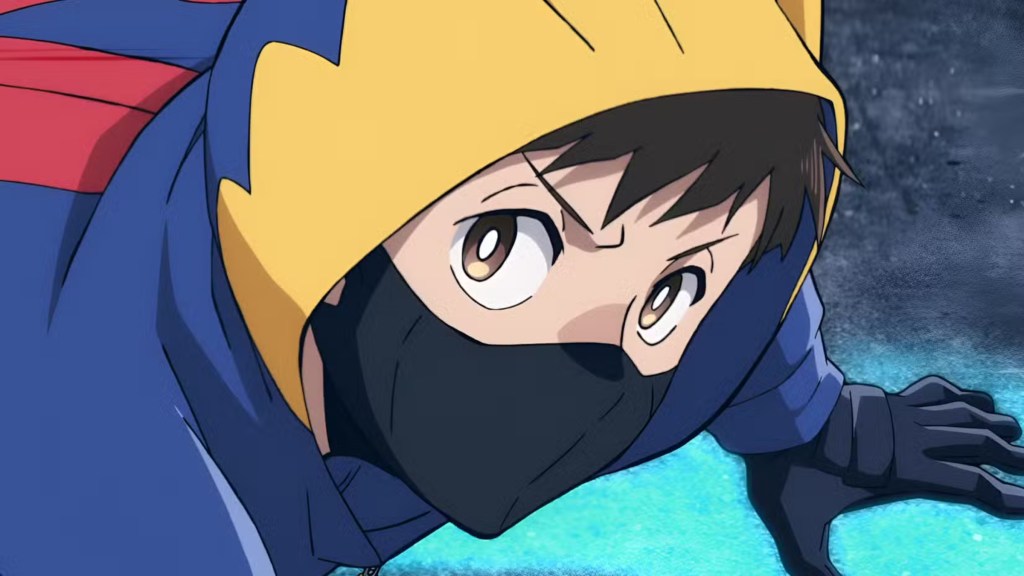
While Deku greatly resembles Spider-Man, My Hero Academia: Vigilantes‘ Koichi is arguably more like the Marvel hero. And as he increasingly becomes the face of the anime franchise, the overlap between the characters will prove more noticeable. While Koichi’s power doesn’t initially resemble Spider-Man’s, it comes to, as he realizes he can use it to stick to and climb up walls. It’s not quite as referential as Deku’s two Quirks, but there’s also the fact that Koichi is more like Spider-Man in role and personality.
Both characters want to be like the heroes they admire, but Koichi pursues this end by becoming a vigilante. This fits with Spider-Man’s neighborhood hero persona, which is the heart of the Marvel character. And it’s not an element of Spider-Man that Deku captures well, as he often finds himself at the head of battles deciding the very future of Japan. Koichi’s focus on smaller crimes makes him more like Peter Parker at his core. He’s also sometimes a nuisance to the Pro Heroes he sets out to help, which feels aligned with the way Peter Parker is typically written. (There’s also the hilarious fact that so many people don’t connect Koichi to the Crawler, simply because he sometimes covers his face.)
Koichi’s Spider-Man Similarities Are What Make Vigilantes So Compelling
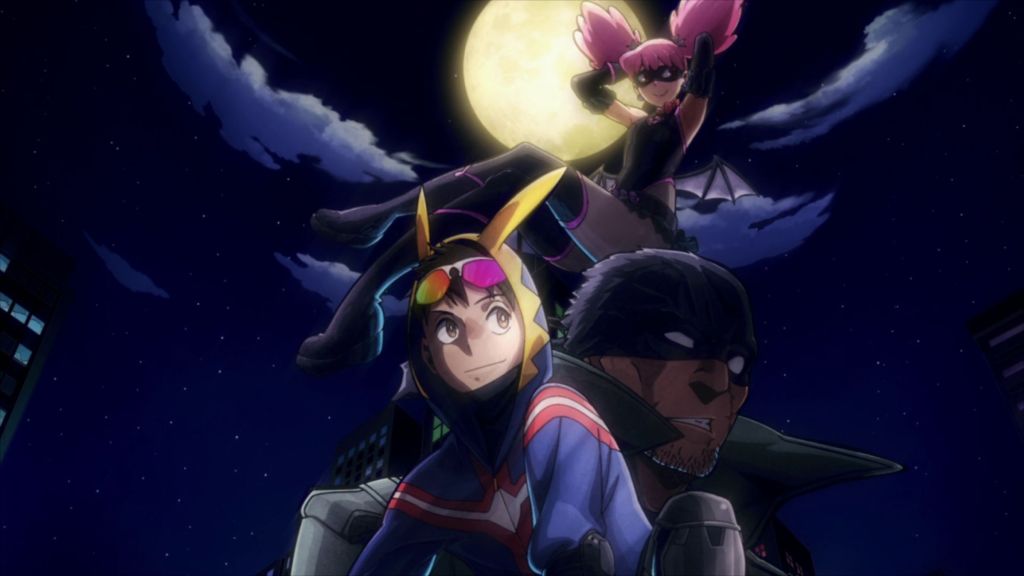
Koichi’s similarities to Spider-Man are precisely what make My Hero Academia: Vigilantes so compelling. It’s not that the original anime isn’t great, but Deku becomes less relatable over time. And while high stakes and big achievements are the foundations of many great superhero stories, there’s something special about the smaller-scale narratives that feel closer to home. Like Spider-Man, Koichi proves the importance of individual action, even when dealing with situations that might be deemed less pressing. He’s also proof that there are many ways to pursue one’s dreams, and doing so doesn’t always look the way one imagines. These aspects of Koichi’s character make him even easier to root for — and they offer takeaways that apply to viewers, too.
What do you think? Leave a comment below and join the conversation now in the ComicBook Forum!
Most Viewed
-
Image Courtesy of Netflix -

Courtesy of ENGI / Kadokawa / Sentai Filmworks -
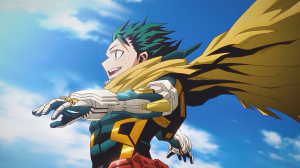
Image Courtesy of Studio Bones