Over the past decade, Hollywood has taken an increasing interest in anime adaptations, and, unsurprisingly, it has leaned heavily on shonen anime. From Dragon Ball Evolution (which we’d all like to collectively forget) to Netflix’s One Piece — which has finally managed to break the “curse” of bad live-action anime adaptations — shonen is Hollywood’s go-to.
Videos by ComicBook.com
And while shonen’s rise in popularity in the West is undeniable, it’s worth asking: Why is Hollywood so fixated on it, and are we missing out on the vast diversity anime has to offer?

The Rise of Shonen and Its Western Appeal
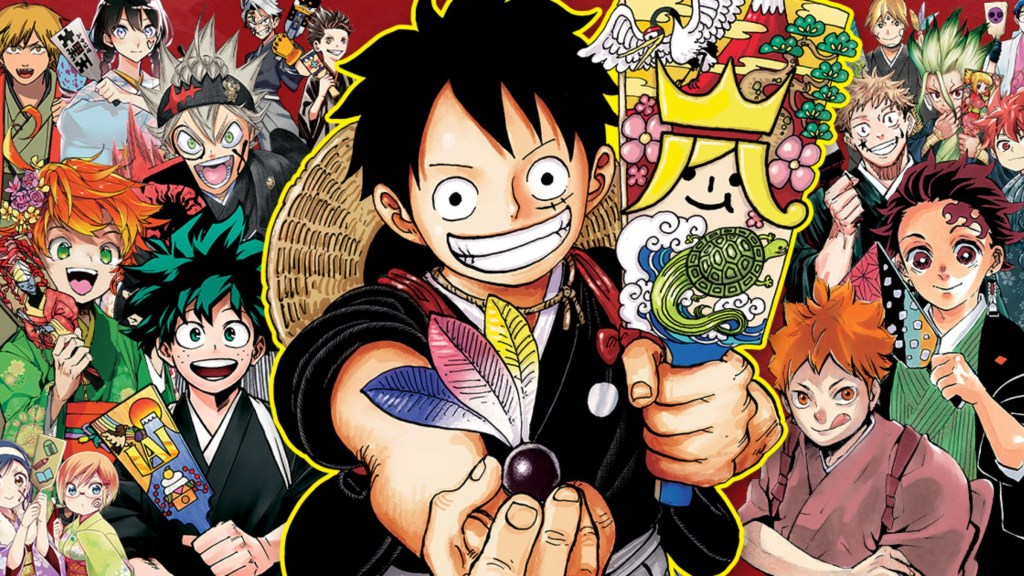
Shonen anime’s popularity in the West is no accident. It’s tailored for mass appeal: a combination of high-energy action, universal themes like friendship and perseverance, and larger-than-life characters. A young protagonist with big dreams, a ragtag group of loyal friends, and an endless stream of powerful enemies to defeat? It’s basically the Marvel Cinematic Universe, but with more screaming and fewer quips.
The commercial viability of shonen is another reason why it’s become the poster child for anime adaptations. These franchises come with massive built-in fanbases, extensive lore to mine, and merchandisable characters. Hollywood studios see dollar signs, and for good reason. Demon Slayer: Mugen Train smashed box office records to become the highest-grossing anime film of all time, pulling in over $500 million globally. Netflix’s One Piece also proved that shonen properties can translate to live-action when done right, with its faithful adaptation earning praise from both fans and critics.
But herein lies the problem: Hollywood is stuck in a one-track mindset. By focusing almost exclusively on shonen, it risks reducing anime to a single genre, ignoring the medium’s vast storytelling potential.
Anime Is More Than Just Shonen

The obsession with shonen anime adaptations suggests that Hollywood doesn’t fully understand anime’s scope. Anime isn’t a genre; it’s a medium capable of telling stories across all genres, from psychological thrillers to slice-of-life dramas to historical epics. By betting everything on shonen, studios are overlooking some of the most compelling, artistic, and unique anime that could resonate deeply with global audiences.
Consider Your Name and A Silent Voice, two anime films that tug at the heartstrings and explore themes of love, loss, and connection. These films were critically acclaimed and successful worldwide, yet Hollywood’s attempts to adapt similar works have been half-hearted at best. J.J. Abrams’ planned live-action adaptation of Your Name has been stuck in development limbo for years, and it’s hard to imagine it capturing the same emotional nuance as the original.
Then there’s the genre of seinen, which targets older audiences and often tackles complex themes. Shows like Monster or Psycho-Pass could be adapted into gripping psychological thrillers or dystopian dramas that would more than hold their own against Hollywood’s best. Imagine a Netflix series based on Monster in the vein of Mindhunter — the potential is staggering. Even slice-of-life anime, which focuses on everyday experiences and emotional growth, deserves attention. These stories might lack the flashy battles of shonen, but they make up for it with deeply relatable characters and poignant storytelling. March Comes in Like a Lion or Barakamon could easily be adapted into heartfelt indie films or limited series that explore themes of identity, family, and finding one’s place in the world.
The fixation on shonen not only limits the types of stories being told but also risks alienating fans who value anime’s diversity. By reducing anime to a single narrative type, Hollywood risks perpetuating the stereotype that anime is just “cartoons for kids” or, worse, “weird Japanese stuff” with little artistic merit. This couldn’t be further from the truth. Moreover, the overreliance on shonen adaptations sets Hollywood up for diminishing returns. As more studios jump on the anime bandwagon, the market risks becoming oversaturated with the same type of story. How many more times can audiences watch a scrappy young hero power up to defeat increasingly ridiculous villains before fatigue sets in? If Hollywood doesn’t start exploring anime’s full range, it could kill the golden goose before it’s had a chance to truly shine.
If Hollywood wants to truly capitalize on the anime boom, it needs to take a page from anime itself: embrace diversity and take risks. Anime thrives because it doesn’t limit itself to a single type of story. Hollywood needs to recognize that anime’s strength lies in its ability to tell any kind of story, not just the loud, explosive ones. Studios should also invest in creators who understand anime’s cultural nuances.
One of the reasons Netflix’s One Piece succeeded is because it respected the source material and involved the original creator, Eiichiro Oda, in the adaptation process. This level of care should extend to all anime adaptations, regardless of genre. So yes, it’s time to think beyond shonen. The anime medium is a treasure trove of creativity, and Hollywood has barely scratched the surface.
Most Viewed
-

©Toshiaki Iwashiro,Shueisha/PSYREN Secret Society -

image courtesy of Warner Bros. -

Ian McKellan as Gandalf in The Lord of the Rings.