Anime tropes are like the guilty pleasures of storytelling. Sure, we might roll our eyes every time a character dramatically screams their attack name or when someone trips and lands in a hilariously compromising position, but admit it — we love it. These tropes are comfort food for anime fans, predictable in the best way.
Videos by ComicBook.com
The overpowered mentor who always has a tragic past, the villain who’s weirdly polite mid-battle, or that one character whose glasses flash ominously when they push them up? Absolute gold. These tropes thrive because they exaggerate everything we secretly wish life could be: louder, crazier, and just a little more over the top.

10. The Tournament Arc
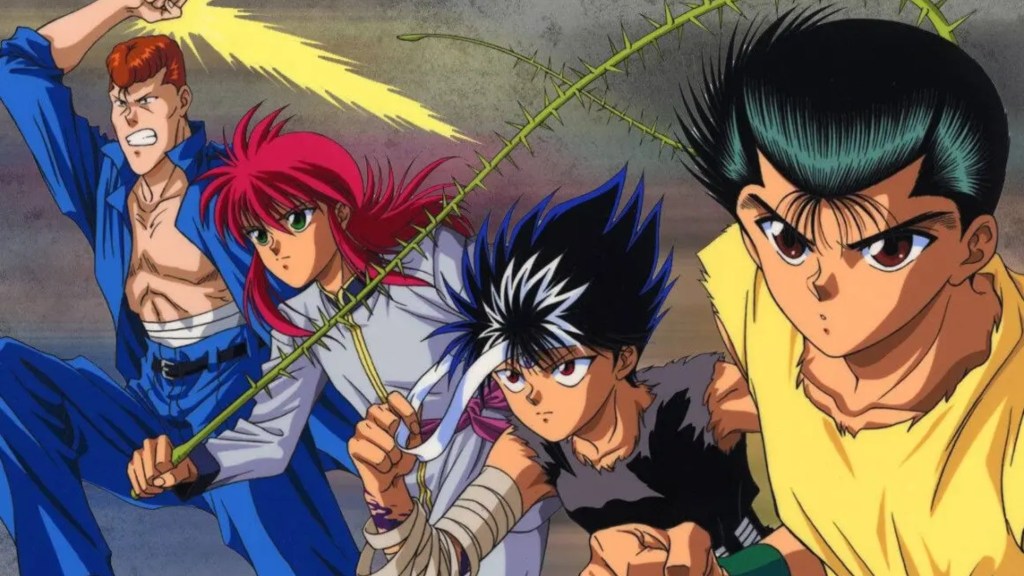
Few things get anime fans as hyped as a good tournament arc. These storylines pit beloved characters against each other, often revealing new powers or philosophies in the heat of battle. From Dragon Ball’s World Martial Arts Tournament to Yu Yu Hakusho’s Dark Tournament, these arcs deliver high-stakes action that defines entire series.
What makes the tournament arc irresistible is its perfect blend of competition and character development. We get to see rivalries evolve, friendships deepen, and underdogs rise. While formulaic, the thrill of watching your favorite character push beyond their limits never fades. It’s comfort food for shonen fans — predictable, yes, but endlessly satisfying.
9. The Overpowered Protagonist

When done right, the overpowered protagonist scratches a specific itch: pure wish fulfillment. Watching someone like Saitama from One Punch Man or Anos Voldigoad from The Misfit of Demon King Academy toy with their enemies is cathartic. It’s the ultimate fantasy of competence, where the hero always wins and does it effortlessly.
The genius of this trope lies not in the fights, but in how the story toys with absurdity. The best OP protagonists are self-aware. They highlight the loneliness or boredom that comes with invincibility. It’s not about balance — it’s about the thrill of breaking all the rules and still making it entertaining.
8. The Found Family
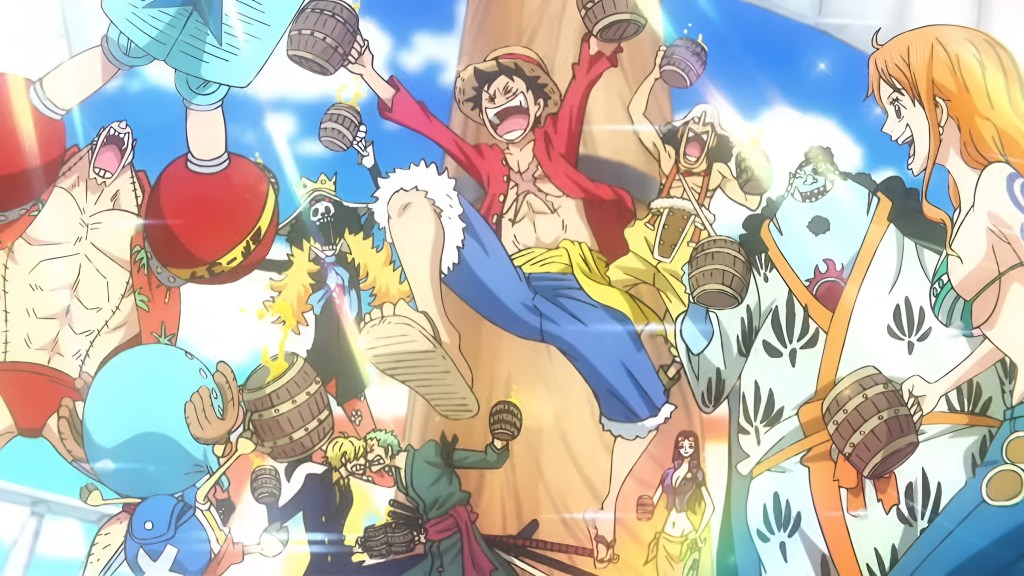
Anime loves bringing misfits together to form a ragtag family. Whether it’s the Straw Hat Pirates in One Piece or the crew of the Bebop, these groups remind us that family can be chosen, not just born into. This trope thrives because most of us crave belonging, especially among people who understand our quirks.
Watching a found family grow through hardship hits a universal emotional chord. Every shared meal, mission, or sacrifice feels earned because it comes from genuine connection. It’s the soul of countless anime that may start as power fantasies but end as stories about love, loyalty, and the bonds that endure.
7. Power of Friendship
It’s easy to mock the “Power of Friendship,” but let’s be honest — it works. When Naruto refuses to give up on Sasuke or when Natsu draws strength from his guild, it’s hard not to cheer. The trope captures that timeless belief that emotional bonds can surpass any obstacle.
It might sound cliché, yet the execution often carries real heart. It reminds us that strength drawn from trust and love is human. Whether purely symbolic or actual plot armor, the trope endures because it taps into something deeply hopeful: that no one wins alone.
6. The Underrated Hero
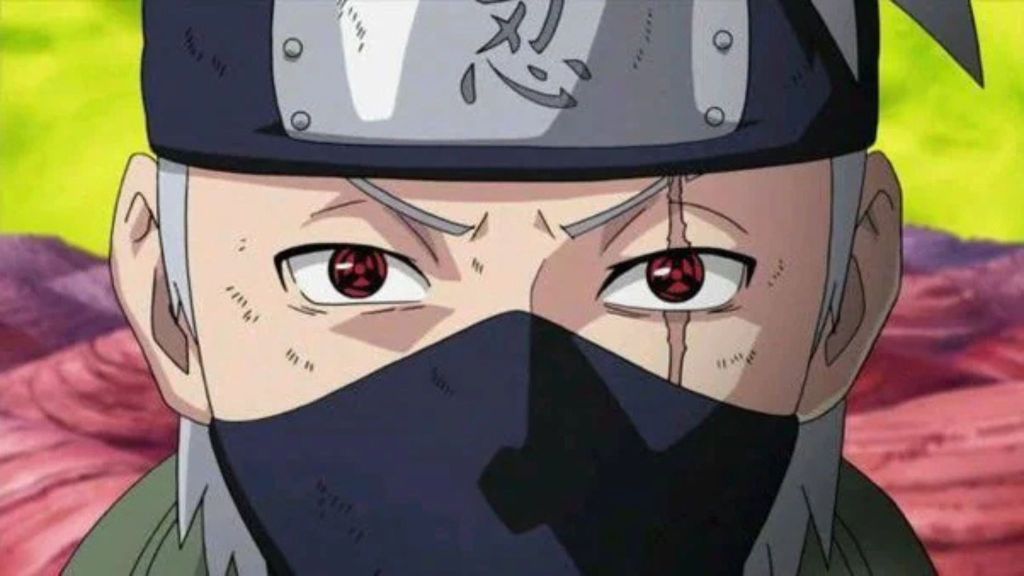
We love watching an unassuming character reveal overwhelming power. It’s that “you have no idea who you’re dealing with” moment that turns the entire dynamic upside down. Think Shanks in One Piece, Kakashi in Naruto, or even Mob from Mob Psycho 100. When the mask drops, the tension snaps instantly into awe.
The appeal lies in contrast. We underestimate these characters because the world does too, so when they step up, the payoff feels personal. It satisfies the urge to see quiet strength rewarded. Every anime fan remembers their first “calm character goes berserk” scene. It’s a collective thrill we never outgrow.
5. Training Arc
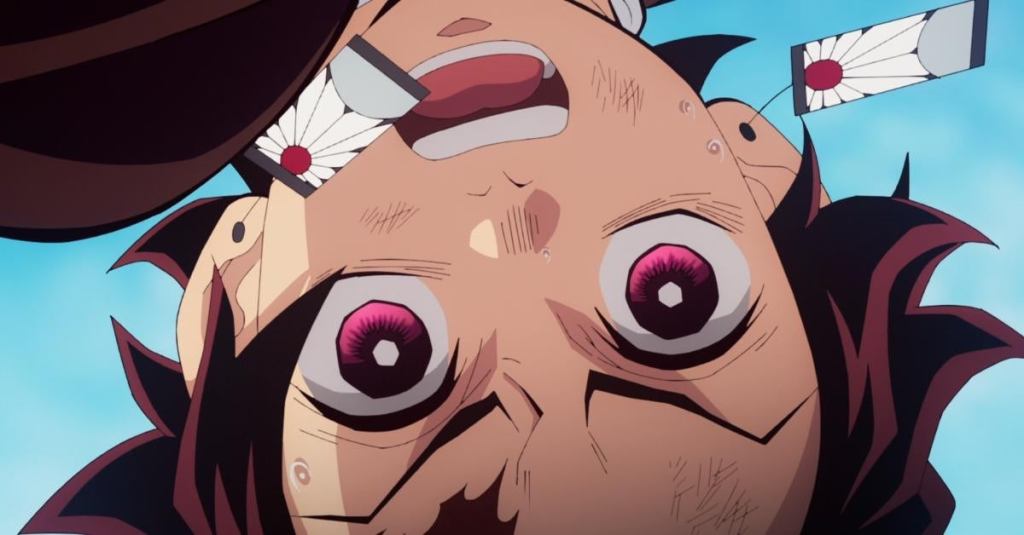
The training arc is anime’s way of making hard work look glorious. Characters grind, bleed, and scream their way toward new power levels, teaching viewers the value of perseverance. Watching Goku train in 100 times gravity or Deku shatter his bones for the sake of growth is pure adrenaline mixed with inspiration.
The reason training arcs hit so hard is because they blend physical struggle with emotional evolution. When a character finally masters a new move, it feels earned not just for them but for us, who’ve shared the grind. It’s storytelling that celebrates effort as the ultimate superpower.
4. The Mentor Sacrifice
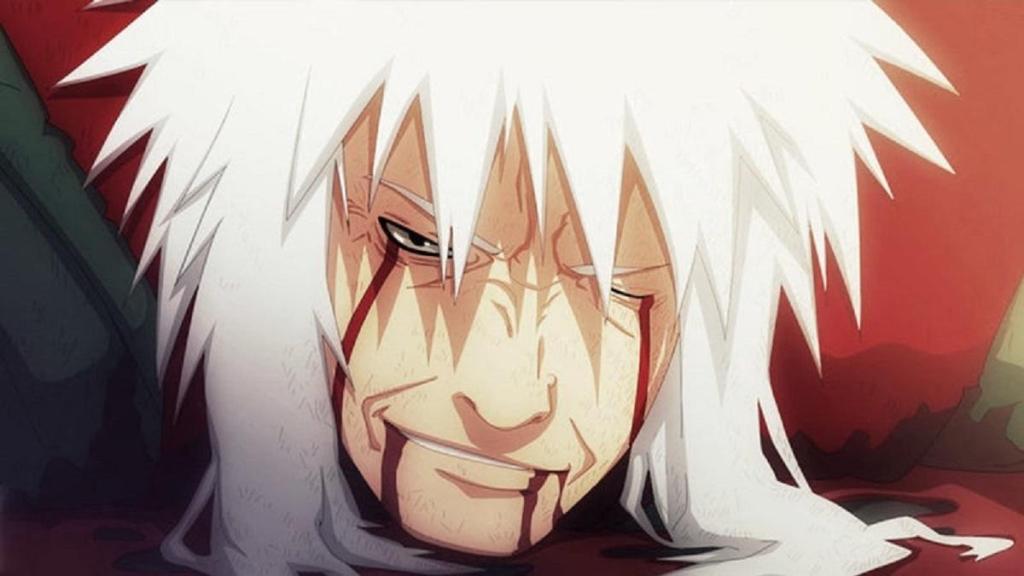
A mentor’s death is practically an anime rite of passage. From Jiraiya in Naruto to Maes Hughes in Fullmetal Alchemist, losing that guiding figure devastates characters, and fans alike. The trope hurts every time because it transforms grief into motivation.
These moments endure because they mark the emotional turning point for the hero. The mentor’s loss forces them to grow, to carry wisdom forward. We might see it coming, but it still lands with emotional precision, reminding us that great teachers live on through their students’ strength.
3. Time Skip
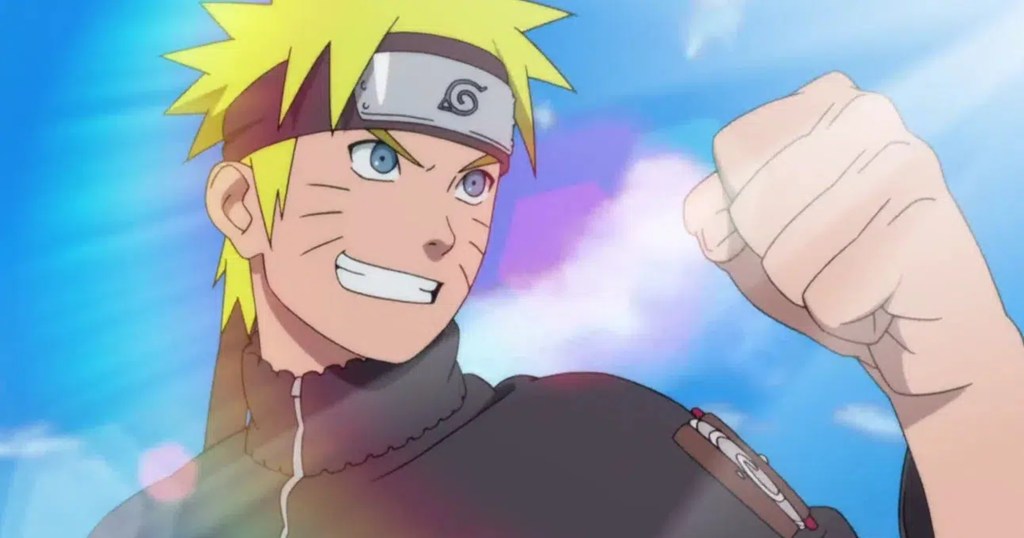
Few storytelling moves rejuvenate a series like a well-timed time skip. Suddenly, characters you thought you knew return older, tougher, and often carrying scars. One Piece’s two-year gap and Naruto Shippuden’s leap forward prove how transformative this device can be.
The time skip works because it trusts the audience’s curiosity. We fill in the blanks, then get rewarded with evolved relationships and new stakes.
2. The Villain Redemption Arc
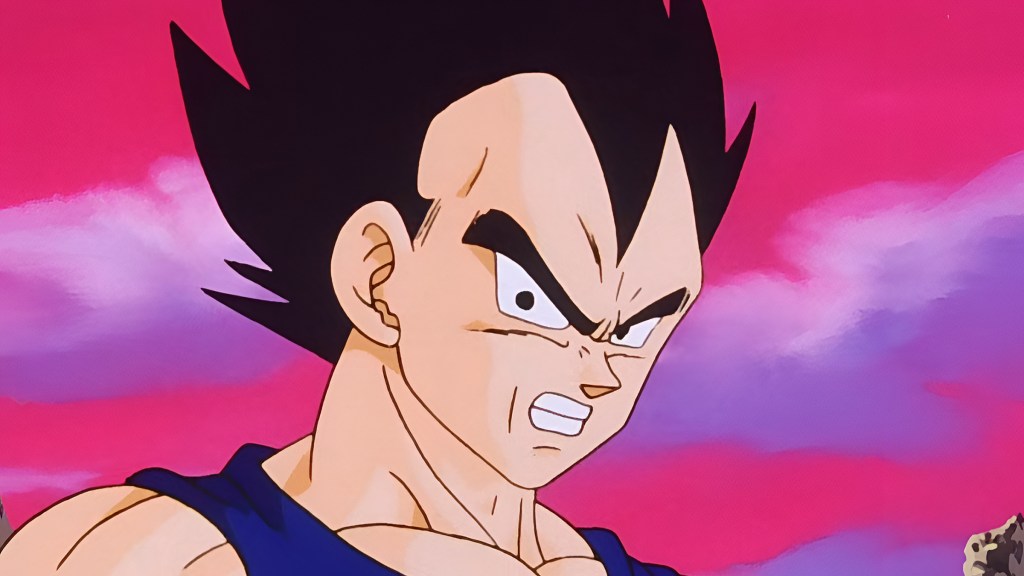
When a villain gets redeemed, it taps into the deepest layers of morality that anime can explore. Zuko from Avatar: The Last Airbender (anime-adjacent but still iconic) and Vegeta from Dragon Ball both show how far redemption arcs can elevate a story.
Fans love these arcs because they mirror human nature. Nobody’s born evil, and when a story tests that belief, it hits harder than any battle. Seeing darkness become light gives emotional closure while keeping a story grounded in compassion.
1. The Final Transformation

Nothing satisfies like the climactic transformation scene. Whether it’s Goku going Super Saiyan for the first time, Sailor Moon’s elegant metamorphosis, or Tanjiro unlocking a new Breathing Form, these moments define anime’s visual and emotional peak. A final transformation represents everything a character has endured pain, loss, and hope condensed into one explosive triumph. Even if we know it’s coming, the payoff never dulls.
What do you think? Leave a comment below and join the conversation now in the ComicBook Forum!
Most Viewed
-

Image courtesy of The Pokemon Company -

Image Courtesy of A-1 Pictures -

Image courtesy of Lucasfilm -

Courtesy of ComicBook -

Courtesy of Crunchyroll