After nine years, My Hero Academia‘s anime has come to a close, signaling the end of an era for the Shonen category. The series has been one of the biggest additions to the genre over the last decade. Indeed, it’s hard to imagine the modern anime landscape without My Hero Academia returning for a new season or movie year after year. Izuku Midoriya’s quest to become the number one hero captured the hearts of many viewers since it started in 2016. And My Hero Academia Season 8 brought it to a fitting close, even if its ending wasn’t entirely without flaws. Warning: Spoilers ahead for My Hero Academia Season 8, Episodes 1-11.
Videos by ComicBook.com
In many ways, My Hero Academia Season 8’s finale is the ideal conclusion for the series, upholding its values in natural and compelling ways. It honors everything that came before without losing sight of what’s next, and it does a great job of unpacking its characters’ believable trauma. However, even with how perfect the conclusion is, there are a few ways it could be better.
7) Perfect: My Hero Academia Brings the Story Full Circle to Answer Its First Question
While I have reservations about how well Midoriya’s fate makes the series’ point — that anyone, Quirk or no Quirk, can be a hero — I do think the last few episodes deliver this message more effectively. My Hero Academia‘s ending brings the anime full circle, to the point that it revisits scenarios from earlier in the story, showing how they play out differently in a more compassionate world. The best example can be seen when the woman who ignored Tomura Shigaraki (then Tenko Shimura) when he was a child prevents another kid from going down a destructive path. Learning from her mistake, she reaches out and helps this time around. Guess what? It makes a difference.

There’s also the brief focus on Dai, which feels a little on the nose but proves a sweet callback to Midoriya’s origins. Like My Hero Academia‘s lead, Dai is a kid who dreams of becoming a hero. However, his Quirk doesn’t lend itself to this dream. As he’s feeling discouraged by that fact, he runs into Midoriya, who shows him how he can still make a difference. Details like this, and Hawks changing the hero billboard charts to include ordinary civilians, make the anime’s point. After all, Midoriya’s initial question to All Might needed answering eventually — and “yes, anyone can be a hero” is the only response that matches the series’ optimism.
6) Perfect: The Anime Honors Its Journey (& the Superhero Genre as a Whole)

My Hero Academia has always exceled at full-circle moments, but bringing certain narratives back around isn’t the only way it honors its nine-year run. The series also revisits every chapter of Midoriya’s journey before it ends. We get appearances from the allies he makes in previous arcs, as well as most of the villains he faces. There are even a few cameos from characters who appear in My Hero Academia‘s movies. And there are plenty of references to smaller details from the past, like Shoto Todoroki’s love of soba and Sir Nighteye’s sacrifice. The final scene of Class 1-A also mirrors the end of Season 1’s opening theme. These things feel like a great way of honoring fans who have stuck with the series from the beginning.
My Hero Academia‘s ending doesn’t just honor its fans, either. It also pays homage to the superhero stories that so clearly inspired it. There are several mentions of comic books in the anime’s concluding chapters, with Midoriya’s conversation with Spinner bringing the most memorable. When Spinner says he’s going to write Shigaraki’s story, Midoriya tells him that he should make it a comic book. It’s a powerful moment that’s made more so by the series acknowledging its influences.
5) Perfect: It Doesn’t Breeze Past the Trauma of the Final War Arc
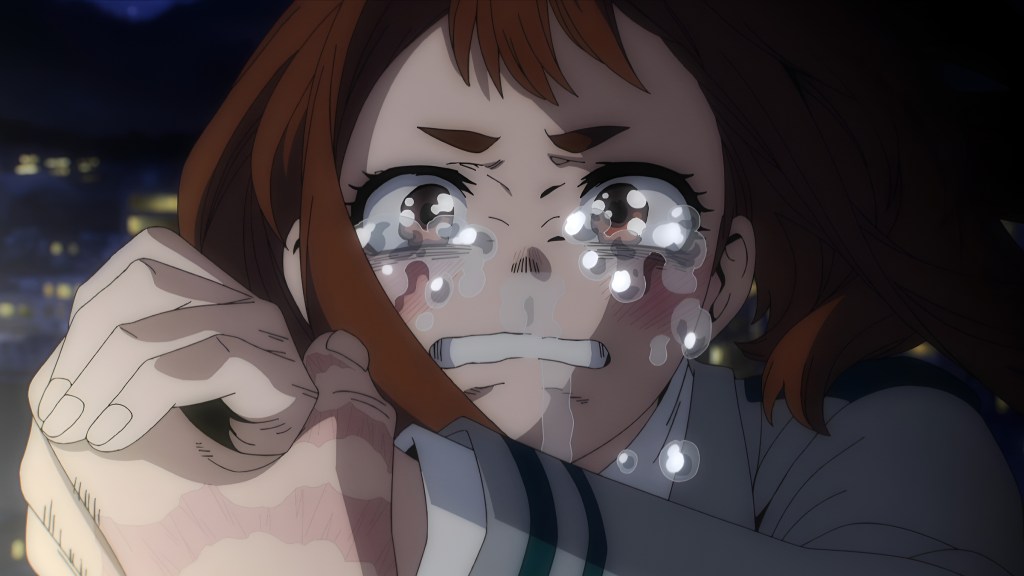
Perhaps the greatest accomplish of My Hero Academia‘s final episodes is that they don’t overlook the realistic fallout of the Final War arc. The last stand against Shigaraki and All for One leaves ordinary civilians and the heroes traumatized. That’s to be expected, and the last three episodes are dedicated to exploring it. In one of the strongest scenes of the entire series, Ochaco Uraraka breaks down over her inability to save Himiko Toga. Midoriya is grappling with the same guilt over Shigaraki’s death, and the two share a tearful moment that will leave even hardened anime lovers in their feelings.
The isn’t the only example of My Hero Academia refusing to shy away from the aftermath of its ending. There’s, of course, the fact that Midoriya loses his Quirk. But characters like Katsuki Bakugo, Hawks, and Endeavor also face long-term consequences of their actions on the battlefield, with their injuries forcing them to scale back or even retire. The Torodoki family’s send-off is also messy, with none of their problems neatly resolved after their joint stand against Dabi. Additionally, the anime goes out of its way to show the heroes rebuilding after the battle. Though realistic, it’s not something many stories about war spend time on — but it is refreshing when they do.
4) Perfect: Class 1-A’s Fates Are Perfectly Handled
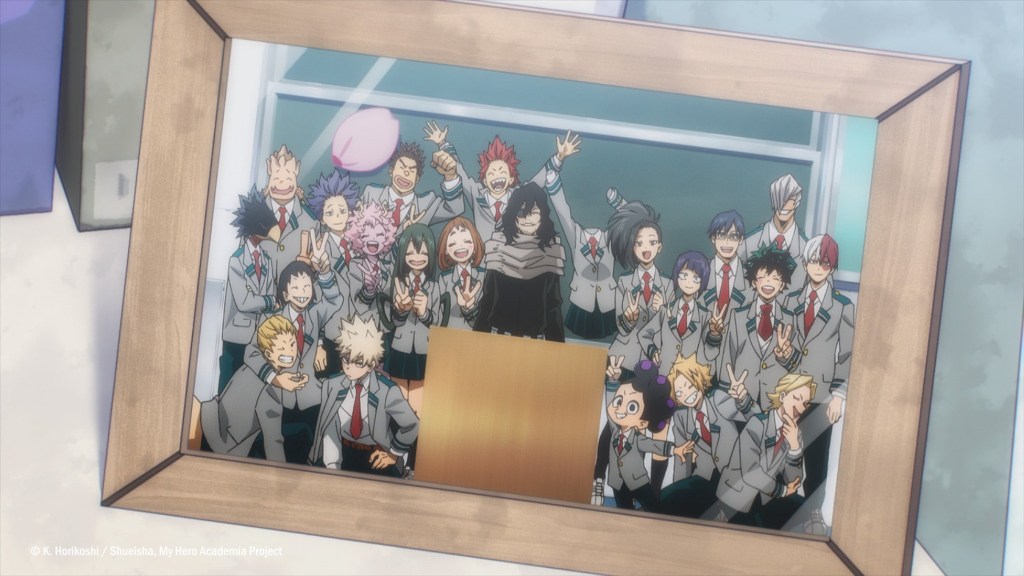
A series like My Hero Academia could easily have ended with the heroes pairing off and starting families, similar to Naruto. However, ambiguous endings tend to land better, if only because it allows fans to imagine their own futures for the world and its characters. And My Hero Academia strikes a great balance, offering just enough information about what’s next to be satisfying — but not jumping so far ahead that there’s no room to tell more stories in this world or even with these characters. This also leaves viewers to draw their own conclusions about who ends up together or who ends up climbing the hero rankings. It’s a surefire way to make sure no one’s disappointed.
There’s also the matter of individual characters’ fates, and I think My Hero Academia does a bang-up job with several of them. Bakugo continuing to be a hero, despite the reality that he’ll probably never be number one, feels like the perfect culmination of his redemption arc. And Uraraka focusing on Quirk counseling is a great way to honor Toga, while Tenya Ida taking over his brother’s agency is precisely what you’d expect (yet still a great fate for him).
3) Could Be Better: Deku’s Fate Is Kind of a Bummer
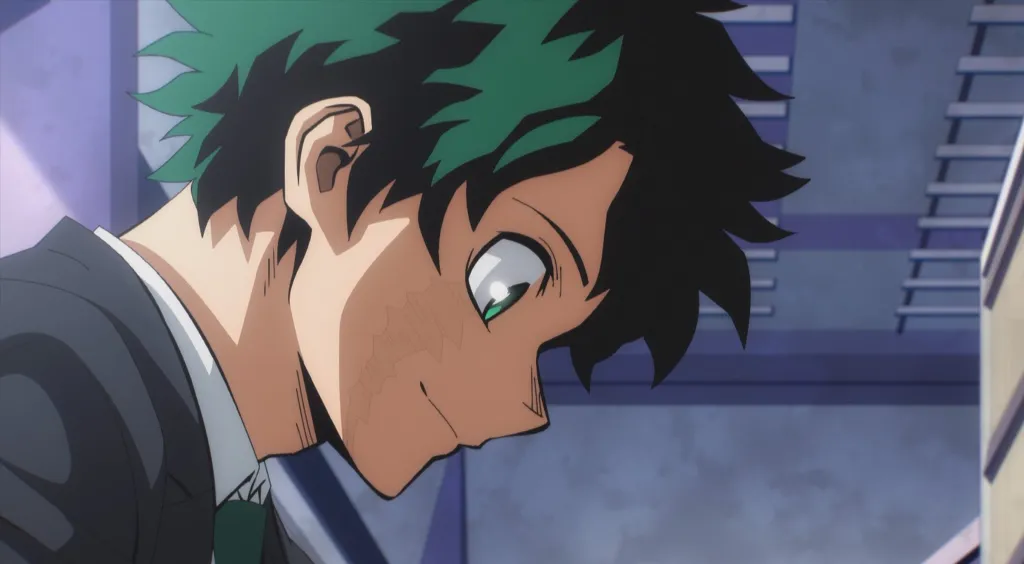
Although My Hero Academia‘s insistence that one doesn’t need a Quirk to become a hero is meant to be uplifting, Midoriya’s fate at the end of the series is… well, kind of a bummer. This is where most of the backlash to the manga’s conclusion comes from, and it’s understandable. Ending a series about a main character following his dream — a dream he repeatedly proves himself worthy of — by ripping it away does feel realistic to the point of being depressing. Watching Midoriya tear up when Shota Aizawa asks if he misses being a hero is absolutely devastating, as much as I can admit that teaching is a great calling for him. But most viewers wanted him to get everything he wanted, and if any character deserves it, it’s Midoriya.
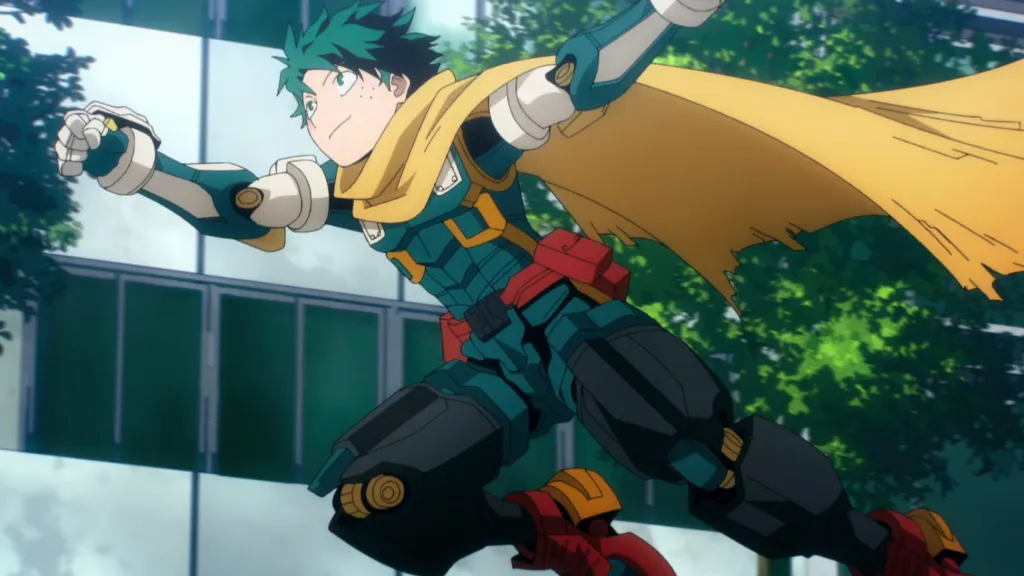
Of course, My Hero Academia‘s lead does get the opportunity to live out his dream again once All Might and Class 1-A surprise him with an armored suit akin to the one All Might wore during the Final War arc. It makes his conclusion slightly more optimistic, but it’s still saddening to realize that he spends nearly a decade unable to do the work he loves. (I mean, seriously, no one could have made this happen sooner after he literally saved Japan?) With the series addressing its first question through ordinary civilians and All Might’s final fight with All for One, Midoriya probably could have kept one Quirk without sacrificing the anime’s message.
2) Could Be Better: Two Big Questions Are Never Addressed
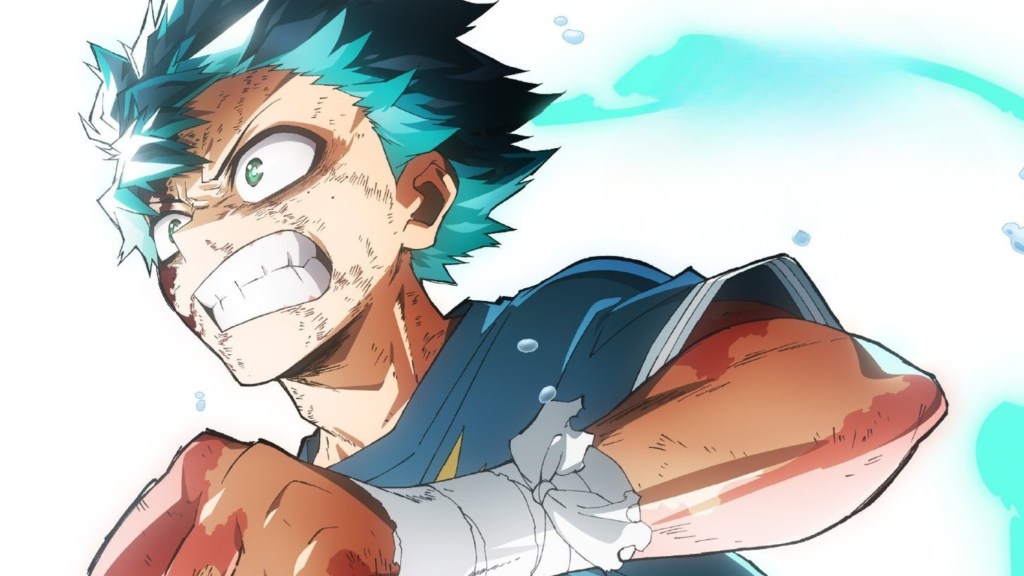
My Hero Academia doesn’t leave much up in the air, but there are a couple of questions that go unaddressed — including one big one that leaves me wondering if we’ll see a sequel. The first, smaller question is what happened to Midoriya’s father. While the man’s absence never plays a prominent role in the story, it’s never properly explained either. Naturally, this led to several theories over the years, connecting Midoriya’s father to All for One or even claiming the villain would be revealed to be his dad. The series didn’t need to go this far, but it could have given some insight into Midoriya’s family dynamics. As it stands, that’s not the most frustrating unanswered question though.
The bigger thread that’s left hanging is the concept of Quirk Singularity Theory, which claims that the evolution of Quirks could accelerate to the point that humans can no longer control these abilities, leading to an extinction event. This is mentioned several times throughout the series, and after the League of Villains’ Quirks advanced, it seemed like it would be important. However, it isn’t properly addressed by the end of the anime, and there’s no indication that the next generation of heroes is concerned about it. It’s a shame, as the idea itself is intriguing. Perhaps we’ll come back to it if My Hero Academia ever expands beyond the main series and its Vigilantes prequel.
1) The Path to My Hero Academia’s Ending Felt a Bit Rushed
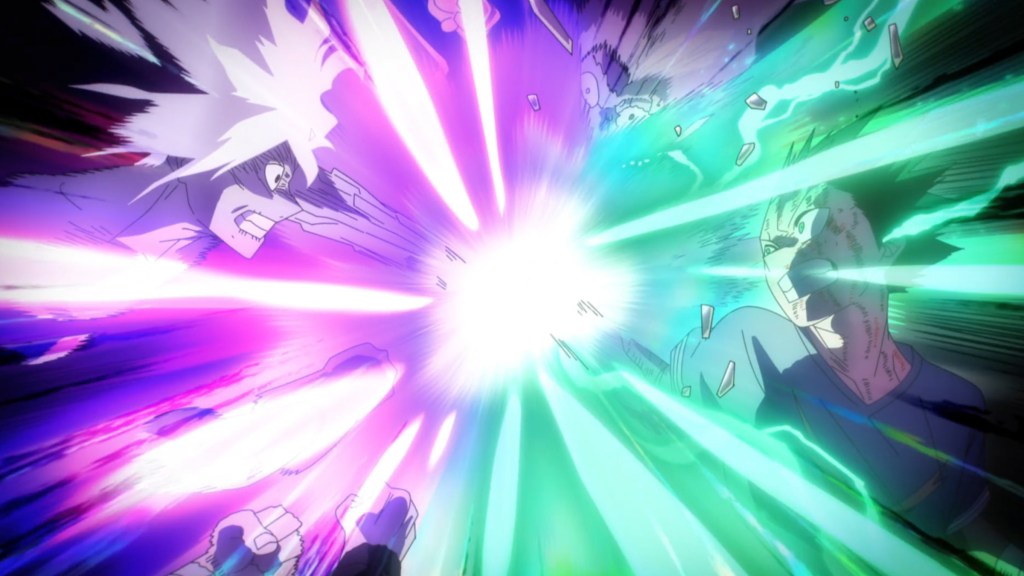
While no one could accuse the final episodes of My Hero Academia of being rushed — they’re far more thorough than most epilogues — it still feels like the anime sprinted to get there. This problem goes back to before Season 8, but it affects the impact of the final battle. Following the Paranormal Liberation War arc, My Hero Academia moves at a breakneck pace, leaving little time between its major confrontations. It doesn’t spend as much time as it should on Midoriya’s newly unlocked Quirks or the previous One for All users, and that makes it less sad when we’re forced to say goodbye to them.
It also makes some of the twists surrounding Midoriya’s use of One for All in the final battle feel kind of sudden. I can’t help but wonder if the clash between My Hero Academia‘s lead and its main villains would have been more satisfying if it had just a bit more setup. It’s beautifully animated and plays into the series’ themes, but it could feel more earned. (I also wouldn’t complain if the final fight lasted just a tad longer.)
What did you think of My Hero Academia‘s ending? Leave a comment below and join the conversation now in the ComicBook Forum!
More Anime
-
Image Courtesy of Shueisha -

Image Courtesy of Studio Trigger / Madhouse -
Courtesy of Crunchyroll / Sony Pictures -
Image courtesy of Studio EEK