A power system in anime refers to the structured set of rules and mechanics that govern how characters acquire, use, and grow their abilities within a particular story. It is the framework that defines the limits and possibilities of the supernatural or extraordinary elements in the narrative.
Videos by ComicBook.com
Additionally, power systems often reflect the themes of the anime itself. They can be used to explore philosophical or moral questions, such as the cost of power, the balance between strength and responsibility, or the nature of personal growth.
5. Nen (Hunter x Hunter)
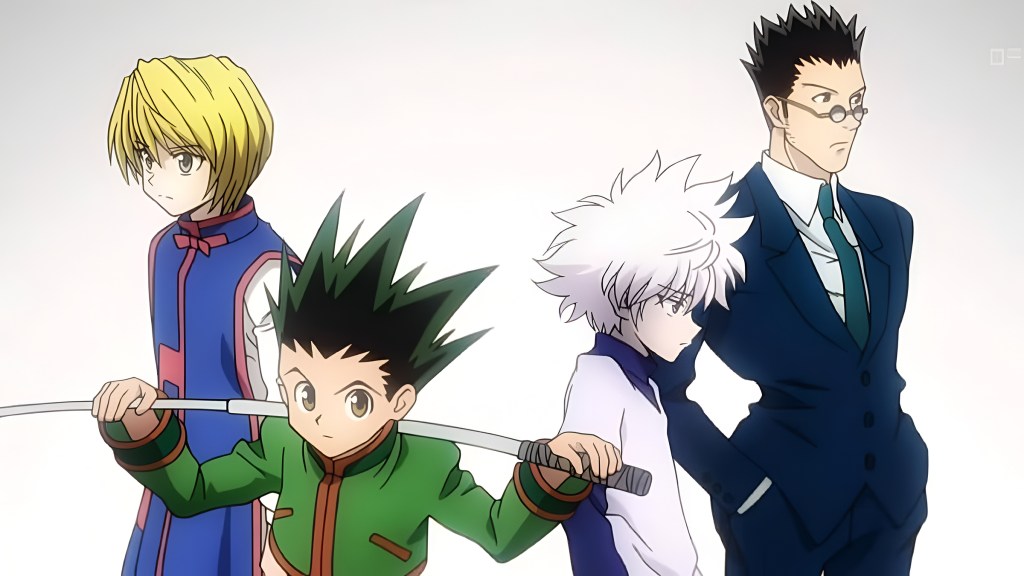
Nen is widely regarded as one of the most intricate and well-designed power systems in anime. It revolves around the concept of aura, which is the life energy emitted by all living beings, and it allows users to manipulate their aura in a variety of ways. Nen is divided into six categories — Enhancement, Emission, Manipulation, Conjuration, Transmutation, and Specialization — each representing a distinct way of using aura. What makes Nen exceptional is its depth: users can develop unique abilities tailored to their personality, creativity, and mastery level. For example, Killua’s electricity-based abilities reflect his Transmuter nature, while Kurapika’s chains showcase his mastery over both Conjuration and Specialization.
However, what truly sets Nen apart is its complexity and the risks associated with it. The concept of “vows and restrictions,” where users impose limitations on their abilities to make them more powerful, adds a strategic layer to its use. This framework encourages innovative thinking in battles, where raw strength alone is rarely enough.
4. Quirks (My Hero Academia)
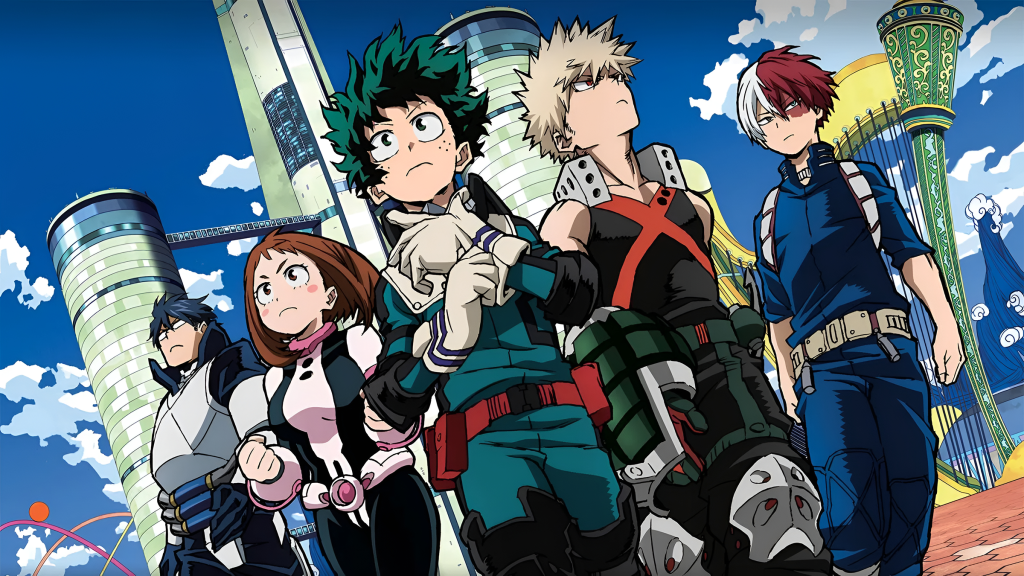
Quirks are the superhuman abilities that form the foundation of the world in My Hero Academia. Nearly 80% of the population possesses a Quirk, making it a highly diverse and accessible power system. Quirks vary widely in scope and strength, from Todoroki’s dual-element control of fire and ice to simpler abilities like making objects float. Interestingly, the system incorporates a biological aspect, as Quirks are inherited genetically, creating a layered society where powers determine social and professional status. This diversity in abilities allows for creative battles and problem-solving, as even seemingly mundane Quirks can be used effectively under the right circumstances.
However, Quirks also highlight societal flaws, such as the marginalization of those with weaker or unusual abilities and the pressure to conform to a hero-driven hierarchy.
3. Chakra (Naruto)

Chakra is the lifeblood of the ninja world in Naruto and serves as the source of all techniques, from basic hand-to-hand combat enhancements to massive destructive abilities. It is a blend of physical and spiritual energy, requiring balance and control for effective use. The system’s versatility is one of its strengths, as Chakra is the foundation for a wide range of techniques, including Ninjutsu (elemental attacks), Taijutsu (physical combat), and Genjutsu (illusionary techniques). The addition of hand signs adds a layer of complexity, making battles feel strategic and deliberate rather than chaotic.
Despite its strong foundation, Chakra becomes increasingly complicated as the series progresses. Early in the story, it is grounded in ninja traditions, with techniques like the Rasengan and Chidori showcasing its creative potential. However, later developments involving reincarnated gods, alien beings, and massive world-ending abilities stretch the system to its limits. While its progression can feel overly excessive, Chakra remains one of the most iconic and influential power systems in anime, particularly for its early balance of creativity and simplicity.
2. Devil Fruits (One Piece)
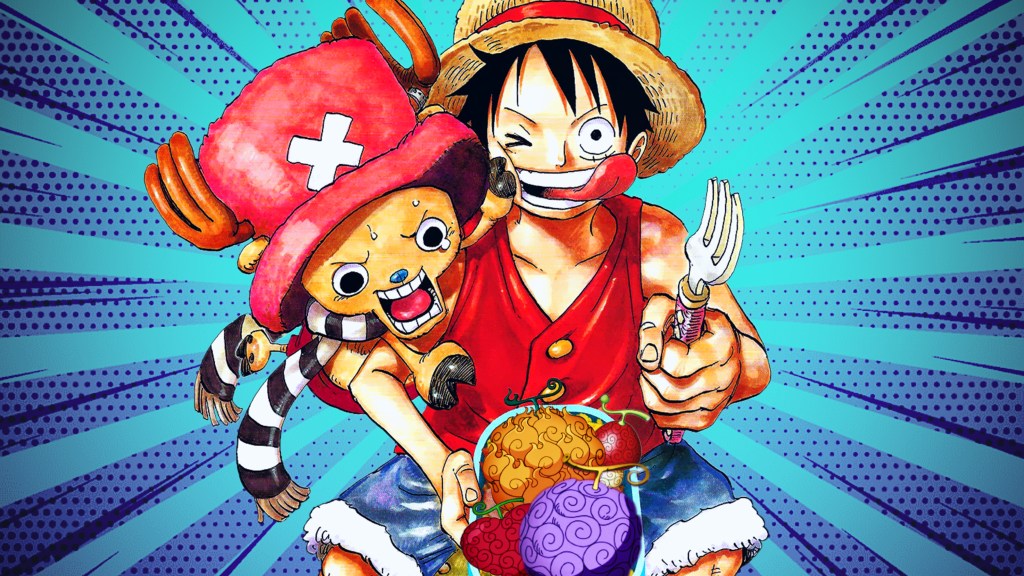
Devil Fruits are a cornerstone of the One Piece universe, offering unique powers in exchange for the inability to swim — a significant drawback in a world dominated by oceans. There are three main types of Devil Fruits: Paramecia, which alter the user’s body or surroundings; Logia, which grant control over elements; and Zoan, which allow transformations into animals or hybrid forms. What elevates Devil Fruits is how they interact with Haki, another power system that counters the inherent strengths of Devil Fruit users. This balance ensures that no ability is invincible and that battles remain tactical rather than purely one-sided. However, the randomness of finding and consuming a Devil Fruit means that power distribution can feel uneven. Regardless, the creativity behind the fruits and how characters develop their abilities over time make this system both entertaining and engaging.
1. Alchemy (Fullmetal Alchemist: Brotherhood)
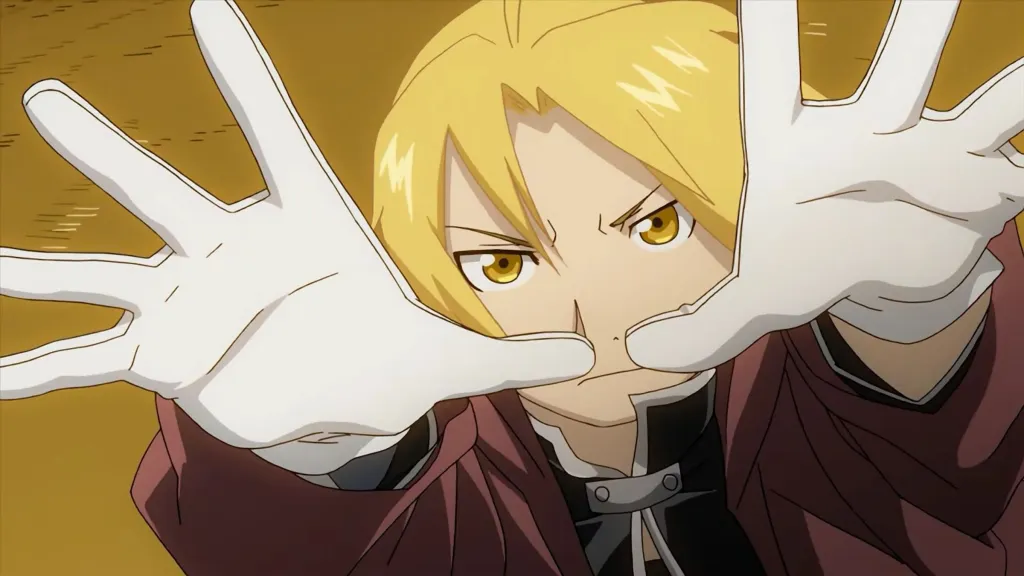
Alchemy in Fullmetal Alchemist: Brotherhood is a power system deeply rooted in science and philosophy. It operates on the principle of Equivalent Exchange: to gain something, something of equal value must be sacrificed. Alchemists manipulate the physical world by breaking down and reconstructing matter, which allows for a wide range of applications, from combat techniques to practical uses like repairing structures. The visual execution of transmutations, with intricate alchemical circles and dramatic transformations, adds to its appeal.
What sets alchemy apart is how it ties into the story’s moral and thematic core. The consequences of misusing alchemy, especially in attempts to defy its natural laws, are a constant source of tension.
What do you think? Leave a comment below and join the conversation now in the ComicBook Forum!
Most Viewed
-
Image Courtesy of Marvel Comics -

Sony Pictures -

Image Courtesy of HIDIVE -

Image courtesy of The Pokemon Company -
Image Courtesy of Netflix -
Image courtesy of Bandai Namco