Anime has transcended its early niche roots to become a global cultural powerhouse, largely thanks to a handful of iconic series that redefined what animation could achieve. Whether through philosophical undertones, character introspection, or cinematic direction, these series proved anime could stand shoulder-to-shoulder with any form of literature or film.
Videos by ComicBook.com
What makes these series truly remarkable isn’t just their technical brilliance or visual spectacle, but their ability to connect with viewers on a deeply human level. They challenge expectations, force emotional engagement, and often leave philosophical aftershocks long after the credits roll. Even if trends shift or animation styles evolve, the thematic weight of these classics remains unshakable.
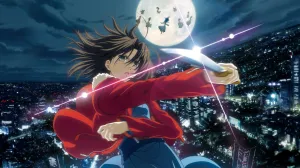
7. Neon Genesis Evangelion (1995)

Few anime have had the cultural and philosophical impact of Neon Genesis Evangelion. Directed by Hideaki Anno, this mecha series redefined what anime could be, blending psychological depth with apocalyptic action. Its abstract storytelling and controversial ending sparked debates and analysis that continue to this day.
It reinvigorated the mecha genre, inspired countless creators, and gave rise to a merchandising empire. It also challenged the traditional boundaries of anime storytelling, introducing themes that were rarely addressed so openly in the medium. Love it or hate it, Evangelion turned anime into a vehicle for introspection and intellectual discourse on a global scale.
6. Sailor Moon (1992)

Sailor Moon brought feminism and inclusivity to the forefront of anime storytelling. Created by Naoko Takeuchi, the series follows Usagi Tsukino and her friends as they transform into Sailor Guardians to fight evil. But what sets Sailor Moon apart is its celebration of female empowerment, friendship, and love, transcending the boundaries of its genre. It popularized the magical girl archetype worldwide while appealing to both children and adults.
Without Sailor Moon, the anime industry wouldn’t have seen the rise of strong, multifaceted female protagonists in the same way. It also paved the way for LGBTQ+ representation in anime, with characters like Sailor Uranus and Sailor Neptune breaking stereotypes in a time when such portrayals were rare. The series’ legacy continues to inspire modern creators and resonates with fans across generations.
5. One Piece (1999)

Eiichiro Oda’s One Piece is one of the best-selling manga of all time. The adventures of Monkey D. Luffy and his pirate crew in search of the One Piece treasure have captivated audiences for over two decades.
What sets One Piece apart is its ability to balance lighthearted humor with profound emotion. Oda’s meticulous world-building, combined with a sprawling yet cohesive narrative, has set a new standard for long-running anime. Even after 1,000+ episodes, the series remains fresh and relevant, proving that great storytelling has no limits.
4. Naruto (2002)

Masashi Kishimoto’s Naruto is the quintessential coming-of-age tale that has inspired millions worldwide. The story of Naruto Uzumaki, a boy ostracized for harboring a demon fox, resonates with themes of perseverance, friendship, and self-belief. Naruto’s emotional depth, jaw-dropping battles, and iconic rivalries have made it one of the most beloved anime of all time, creating a global fanbase that spans generations.
Beyond its narrative, Naruto shaped the shōnen genre itself. It introduced more complex character arcs and moral ambiguities, influencing countless series that followed. Its sequel, Naruto: Shippuden, cemented its cultural legacy, and its successor, Boruto, continues to expand the universe.
3. Dragon Ball Z (1989)

If there’s one anime that introduced the world to the power of shōnen storytelling, it’s Dragon Ball Z. Akira Toriyama’s masterpiece took the groundwork laid in Dragon Ball and amplified it with larger-than-life battles, iconic transformations, and unforgettable villains. Goku’s journey from a simple martial artist to the savior of the universe inspired a generation of fans and creators alike.
Dragon Ball Z redefined action anime and set the template for shōnen series to come. Its influence is felt in everything from Naruto to My Hero Academia. It also popularized anime in the West, becoming a gateway series for many.
2. Cowboy Bebop (1998)
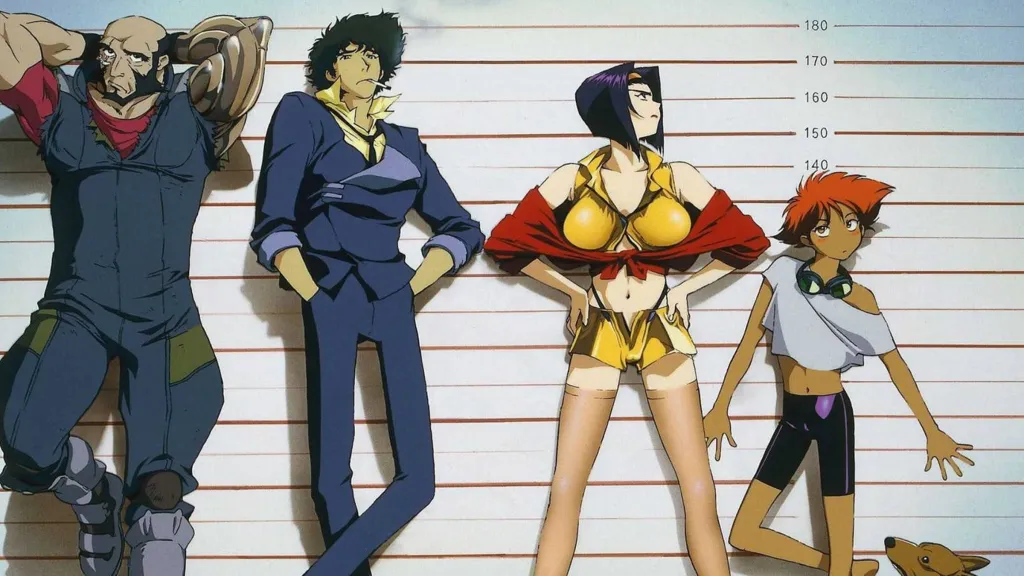
Cowboy Bebop is a genre-defying masterpiece that elevated anime to an art form. Directed by Shinichirō Watanabe, this space-western follows a group of bounty hunters navigating a melancholic, jazz-infused universe. With its mature themes, episodic structure, and stunning animation, Cowboy Bebop broke away from traditional anime conventions and became a symbol of anime’s creative potential.
What makes Cowboy Bebop timeless is its ability to blend style with substance. Its exploration of loneliness, redemption, and existentialism resonates deeply with viewers, making it one of the most relatable anime ever made. The series also played a pivotal role in introducing anime to Western audiences, proving that anime could be just as sophisticated and profound as any other form of storytelling.
1. Astro Boy (1963)
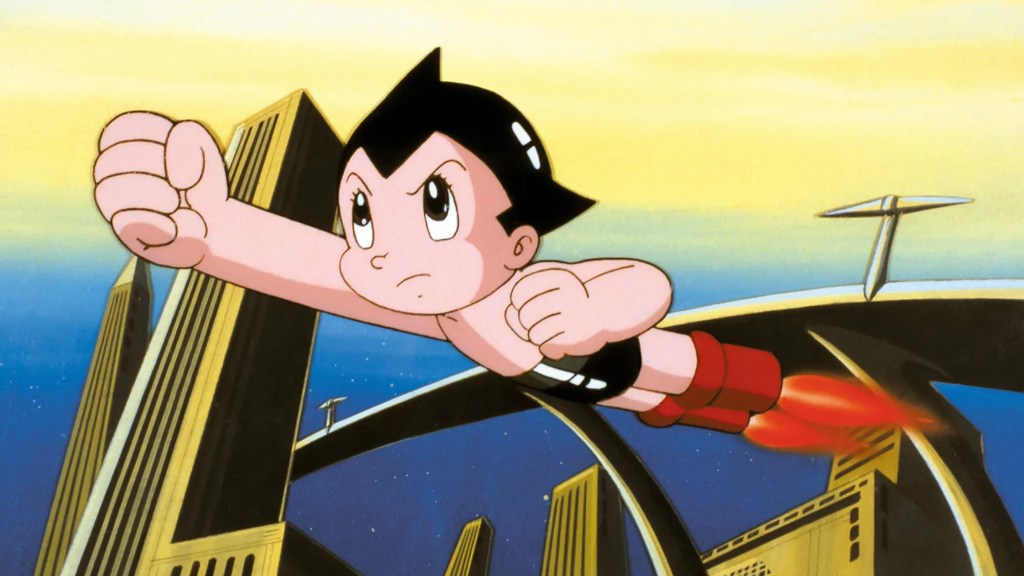
At the top of the list is Astro Boy, the series that started it all. Created by Osamu Tezuka, the “God of Manga,” Astro Boy was the first anime to gain widespread popularity, laying the foundation for the entire medium. The story of a robot boy with human emotions captured the imaginations of audiences worldwide, blending science fiction with heartfelt storytelling.
Without Astro Boy, there would likely be no anime industry as we know it today. It introduced techniques like limited animation, which became a hallmark of Japanese animation, and set the stage for the medium’s global appeal. More than just a piece of history, Astro Boy is a reminder of anime’s ability to tell deeply human stories, even in its earliest days.
What do you think? Leave a comment below and join the conversation now in the ComicBook Forum!
Most Viewed
-

Courtesy of David Production