The phrase “overhated anime” often says more about fandom culture than the shows themselves. In today’s hyperconnected anime community, criticism spreads faster than context; a few memes or out-of-context scenes can ruin an anime’s entire reputation before most people even finish it. Series like these often become lightning rods not because they’re unwatchable, but because they dared to be different.
Videos by ComicBook.com
Anime appreciation has become increasingly binary — masterpieces or disasters, 10/10 or “trash.” But the truth lies somewhere in between. Many so-called “bad” anime are fascinating cultural or creative experiments.
7. Domestic Girlfriend
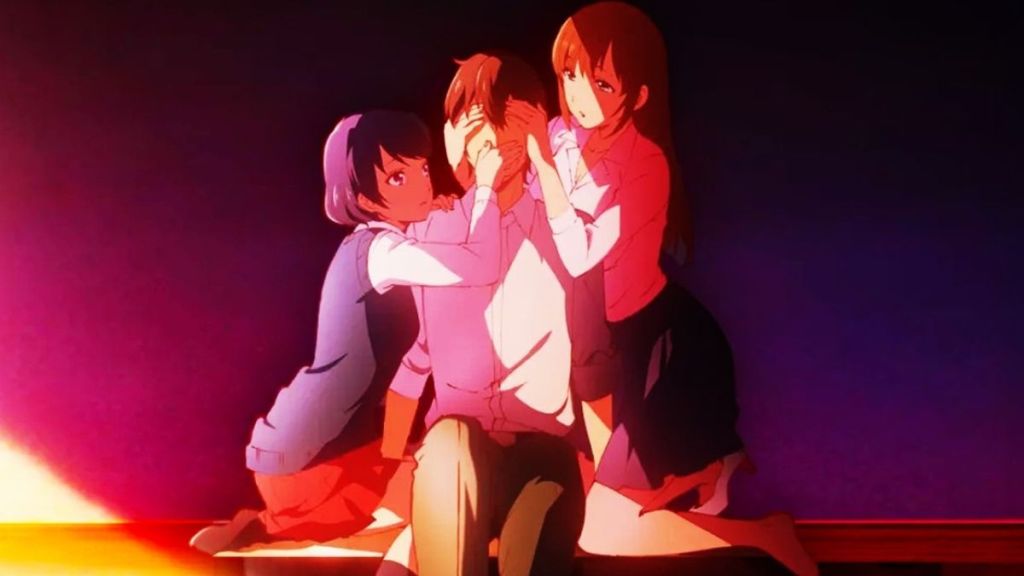
Domestic Girlfriend is one of those anime that either makes you cringe… or keeps you utterly hooked. Domestic Girlfriend (or Domestic na Kanojo) is a romantic drama centered around Natsuo Fujii, a high school student caught in a devastatingly awkward love triangle. After a one-time fling with a mysterious girl named Rui, Natsuo learns that his father is remarrying — to the mother of Hina, his teacher… and Rui, the girl he slept with. From there, the story spirals into a storm of forbidden love. People hate this anime for many understandable reasons. The plot feels too messy, too taboo, and sometimes even uncomfortable in how it romanticizes poor decisions. Domestic Girlfriend isn’t trying to glorify bad romance; it’s exploring how destructive real love and desire can be. And for all its melodrama, the anime boasts strong direction and a hauntingly beautiful soundtrack.
6. The Promised Neverland

There aren’t many anime that can start as a heartwarming story of childhood innocence and then twist into a nightmare of survival — but The Promised Neverland does exactly that. It lures you in with lullabies and smiles, only to rip the floor out from under you. And that’s what made it such a phenomenon… until it didn’t. So why is it so hated? The short answer: season two. Fans of the first season — and especially readers of the manga — were outraged at how the adaptation completely skipped major arcs, flattened rich character development, and rushed through complex world-building. Yes, the second season stumbled — no denying that. But dismissing The Promised Neverland entirely because of its fall is like ignoring how high it soared first.
5. Black Clover
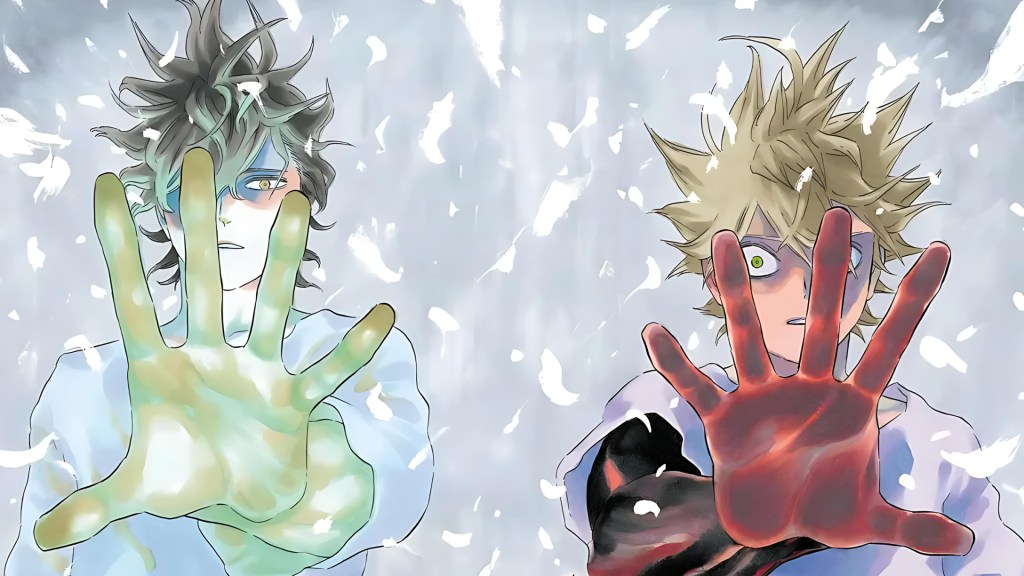
You know an anime’s doing something right when people spend years mocking it… and yet it still builds one of the most loyal fanbases in modern shonen. Black Clover is a classic underdog story set in a magical world where everyone wields some form of magic — except Asta, an orphan who dreams of becoming the Wizard King, the most powerful mage in the land. Alongside his childhood rival Yuno, Asta sets off on a journey to join a magic squad and protect the Clover Kingdom. Black Clover got so much hate, partly because it came on the heels of anime giants like Naruto, Bleach, and Fairy Tail. Many dismissed it early on as a “generic shonen clone.” But when you see how it transforms from a noisy, “average” fantasy into a legitimately powerful character-driven saga, it’s hard not to respect it.
4. Tokyo Ghoul

Tokyo Ghoul’s first season, while slightly condensed, captured the eerie tone and emotional gravity of Sui Ishida’s manga. Then came Tokyo Ghoul √A, an anime-original sequel that deviated heavily from the source material. When Tokyo Ghoul:re arrived, it tried to cram hundreds of manga chapters into a rushed production, making the story nearly incomprehensible to anyone who wasn’t already familiar with the manga. Even with those flaws, Tokyo Ghoul still deserves recognition for what it dared to do. In a genre flooded with heroes and power fantasies, it gave us something far more tragic and cerebral. It’s not really a story about monsters — it’s about how easily people become them. Tokyo Ghoul may be broken, but that brokenness is also what makes it worth remembering.
3. Darling in the FranXX
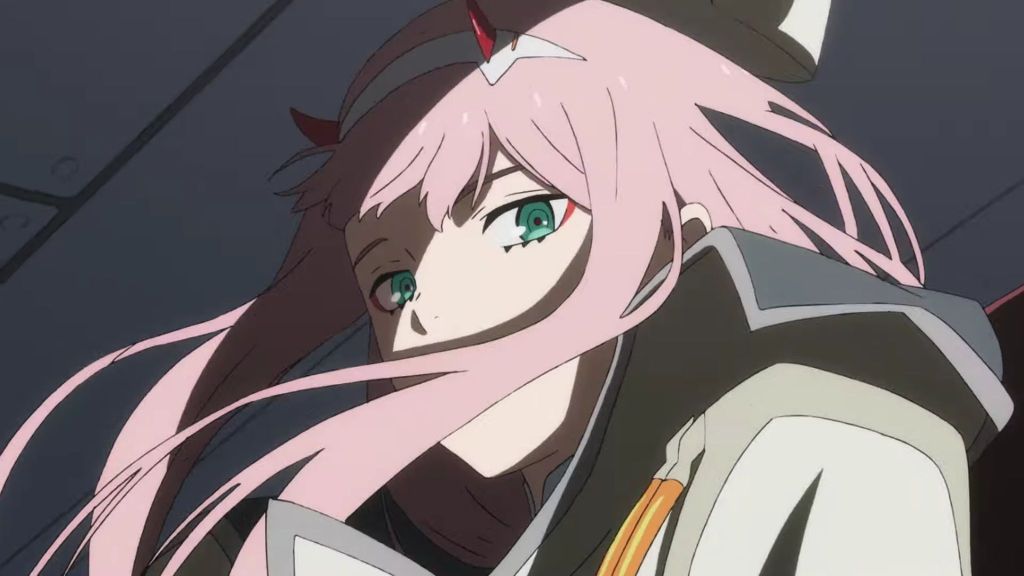
Darling in the FranXX starts like a love story written in the stars and ends like a psychological Rorschach test — everyone sees something different in it, and few agree on what it all meant. It’s polarizing, bold, and flawed in ways that make people argue about it even years later. But love it or hate it, Darling in the FranXX tried to do something most mecha anime never dare: use giant robots as a metaphor for love, identity, and the fragile awkwardness of growing up. Zero Two, in particular, stands as one of anime’s most memorable modern characters.
2. Boruto: Naruto Next Generations
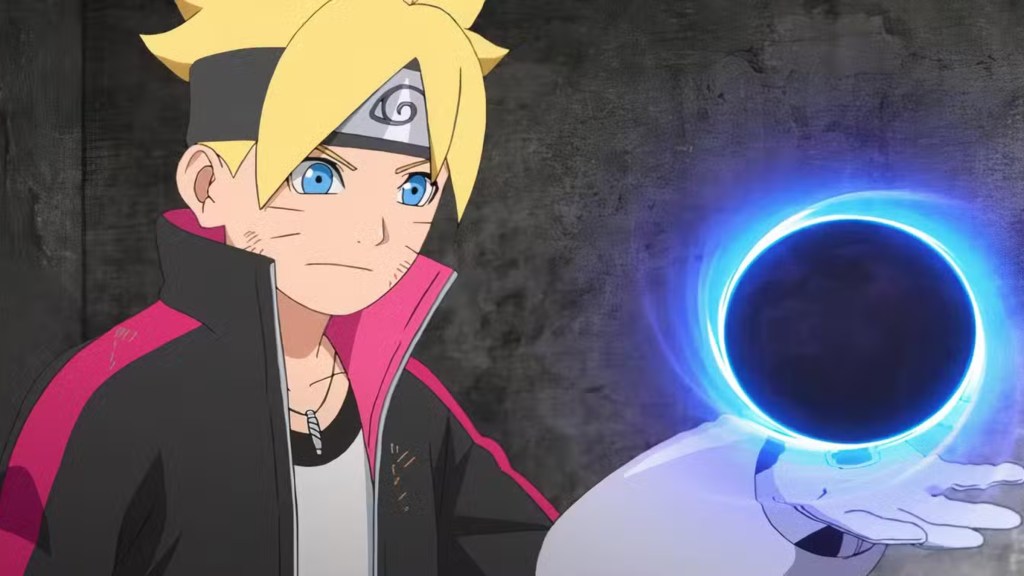
Few anime have been born under heavier expectations than Boruto: Naruto Next Generations. When your parent series is one of the most beloved shōnen franchises in history, being the sequel is less of a blessing and more of a curse. Boruto didn’t just have to tell its own story — it had to live up to a cultural phenomenon. And for that reason, it’s been unfairly hated since its first episode. The entitlement, the boredom, the generational disconnect — they’re deliberate themes. Boruto isn’t about surpassing Naruto in brute strength; it’s about finding purpose in a world built by your parents’ sacrifices. And once the anime finds its footing — particularly from the Kawaki Arc onward — it transforms from a “filler sequel” into a legitimately gripping narrative.
1. Sword Art Online

Few anime have ever defined an era — and then been torn apart for it — quite like Sword Art Online. It’s the series that made millions fall in love with virtual worlds, only to become one of the most polarizing titles in modern anime. For some, it’s a revolutionary isekai masterpiece. For others, it’s a shallow power fantasy. But whether you love it or hate it, there’s no denying Sword Art Online changed the landscape of anime storytelling forever.
What do you think? Leave a comment below and join the conversation now in the ComicBook Forum!
Most Viewed
-
Image Courtesy of Ufotable -
Image Courtesy of Crunchyroll -
Image Courtesy of Toei Animation