Demon Slayer is one of those rare cases where the anime is often arguably “better” in the popular sense, because the adaptation does what animation is supposed to do. It turns choreography into flow, sells speed and weight, and uses color, compositing, and music to amplify emotion. The production is also unusually consistent at making big moments feel big, which matters for a series that thrives on clean, immediate dramatic beats. So when people say the anime elevates the material, they are not wrong.
Videos by ComicBook.com
Still, the manga has wins that the anime cannot always replicate, and they come down to panel authority. Some moments hit harder on the page because the composition is blunt and final. The manga’s linework also gives certain scenes a harsher edge, especially when it leans into stark contrasts and unsettling facial expressions that linger exactly as long as you want them to. And because you control the pace, reveals can land like a snap instead of a swell.
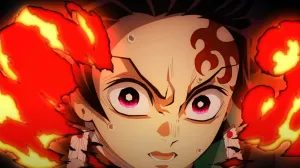
7. The Rengoku Backstory in the Mugen Train Arc

The anime adaptation of the Mugen Train Arc beautifully showcased Rengoku’s heroism, but the manga provided a more fleshed-out look into his backstory. In the manga, readers get a deeper dive into Rengoku’s family dynamics, his strained relationship with his father, and his unwavering resolve to uphold the honor of the Demon Slayer Corps. While the anime does an excellent job of making viewers cry, the manga allows fans to truly understand the weight of his decisions and the depth of his character.
6. Shinobu’s Darker Side
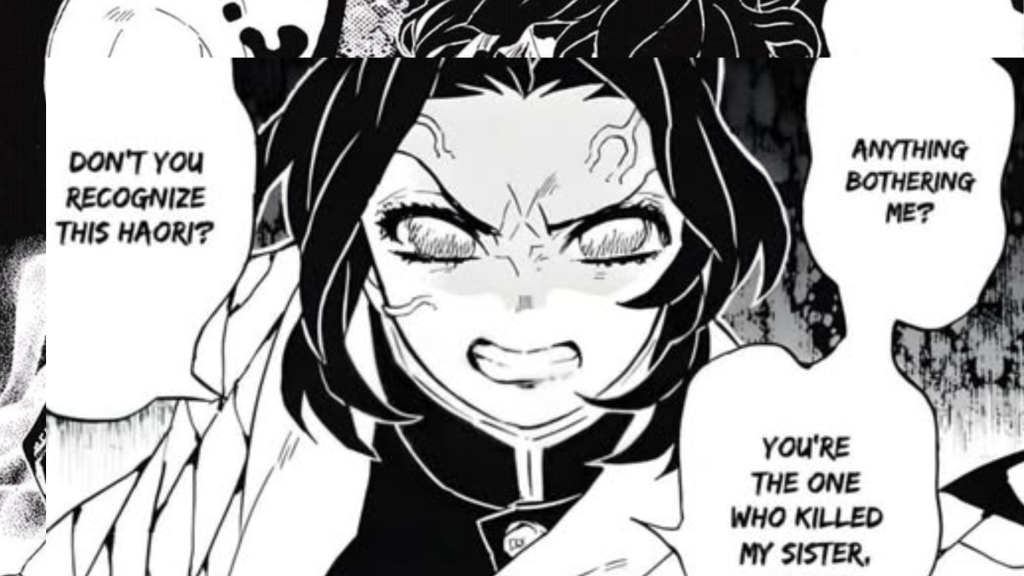
Shinobu Kocho is portrayed as calm and bubbly in the anime, but the manga reveals much more about her darker, vengeful side. Her cheerful demeanor is a mask for the immense hatred she harbors toward demons after losing her sister. While the anime hints at this duality, the manga goes further, showing her calculated cruelty when dealing with demons and her almost obsessive desire to avenge her sister.
Her internal conflict between her desire to honor her sister’s kind-hearted wishes and her own thirst for vengeance is deeply compelling. The anime tones down these layers, leaving her character feeling less impactful compared to her manga counterpart.
5. The Brutality of the Upper Moon Fights
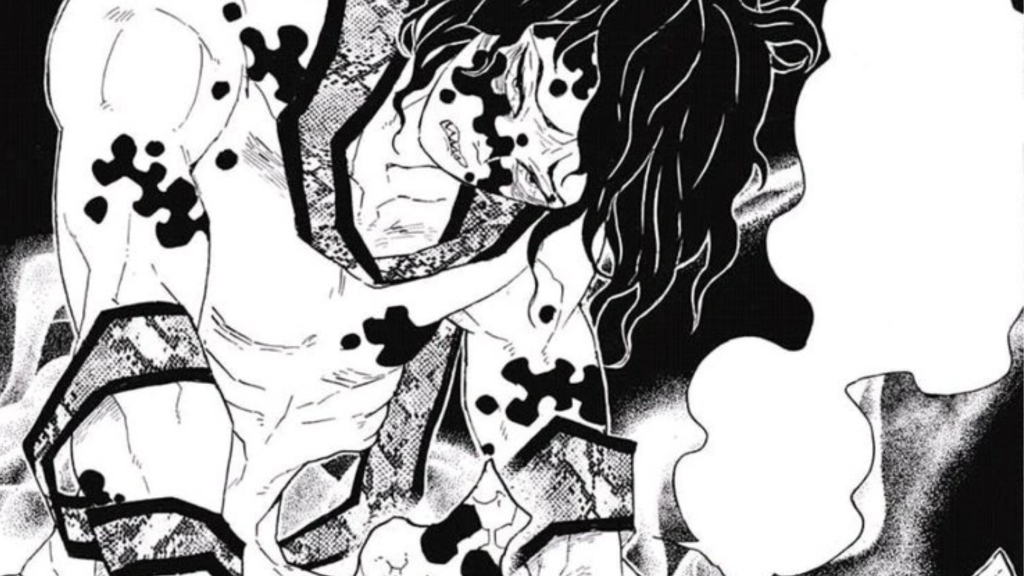
The anime adaptation of Demon Slayer has consistently impressed with its breathtaking animation, but it often sanitizes the graphic nature of the manga’s battles. The Upper Moon fights, in particular, are far more brutal and unflinching in the manga. For example, during the fight against Daki and Gyutaro, the manga doesn’t shy away from showcasing the sheer physical and emotional toll on Tanjiro and his allies.
These moments of raw brutality in the manga give a greater sense of danger and stakes. While the anime’s polished visuals are undeniably stunning, the toned-down violence sometimes diminishes the visceral impact of these life-and-death struggles.
4. The Emotional Depth of Tanjiro’s Journey
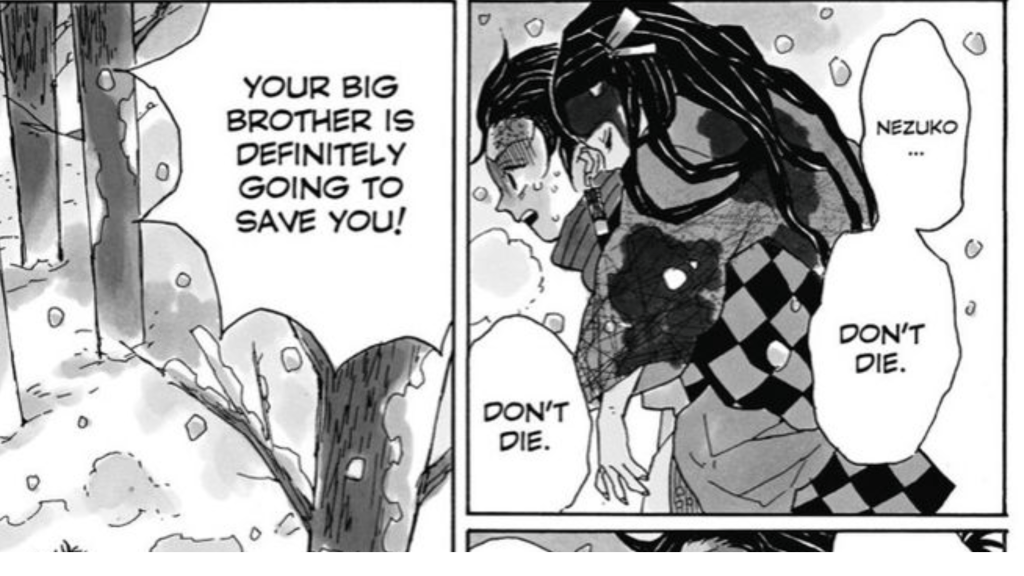
The anime does a fantastic job of portraying Tanjiro’s kindness and resolve, but the manga spends more time delving into his emotional journey. In the manga, we get more insight into his guilt over Nezuko’s condition, his fear of losing her, and his struggles to reconcile his compassion with the harsh realities of demon-slaying. These moments of introspection are often condensed or omitted in the anime to keep the pacing tight.
This depth in the manga makes Tanjiro feel even more human and relatable. His internal monologues reveal a vulnerability that the anime sometimes glosses over in favor of action sequences.
3. Inosuke’s Backstory
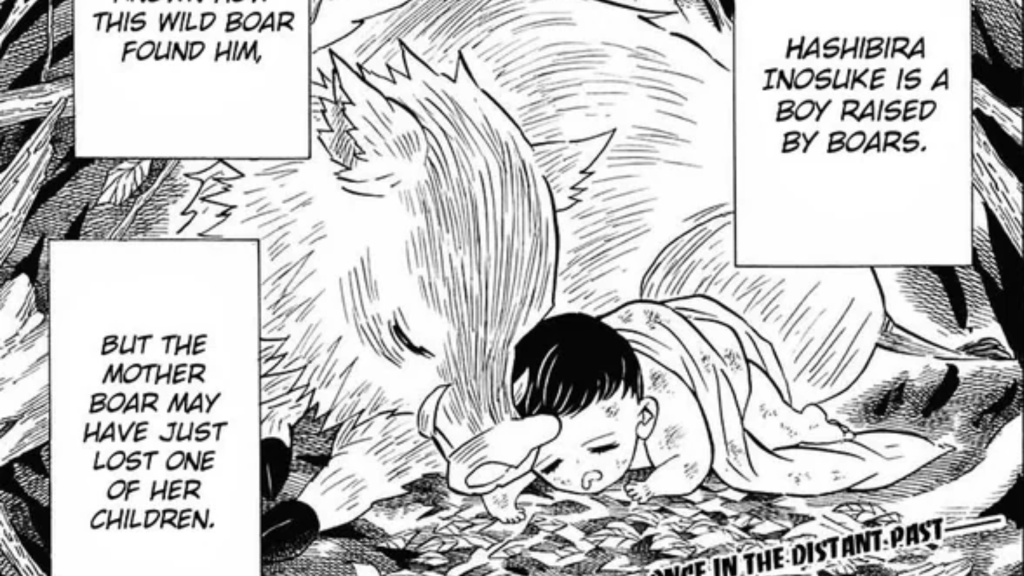
The manga gives a much more detailed account of Inosuke’s tragic past. Readers learn about his abandonment as a baby, his upbringing among boars, and the hardships he endured before becoming a Demon Slayer. The manga also explores his struggle to connect with others, adding depth to his abrasive personality.
This expanded backstory makes Inosuke’s character arc far more satisfying. His growth from a wild, solitary fighter to someone who values friendship and teamwork is more impactful when you fully understand where he came from. The anime, while entertaining, doesn’t give enough room to explore these aspects, making Inosuke’s development feel less significant.
2. The Themes of Sacrifice and Mortality
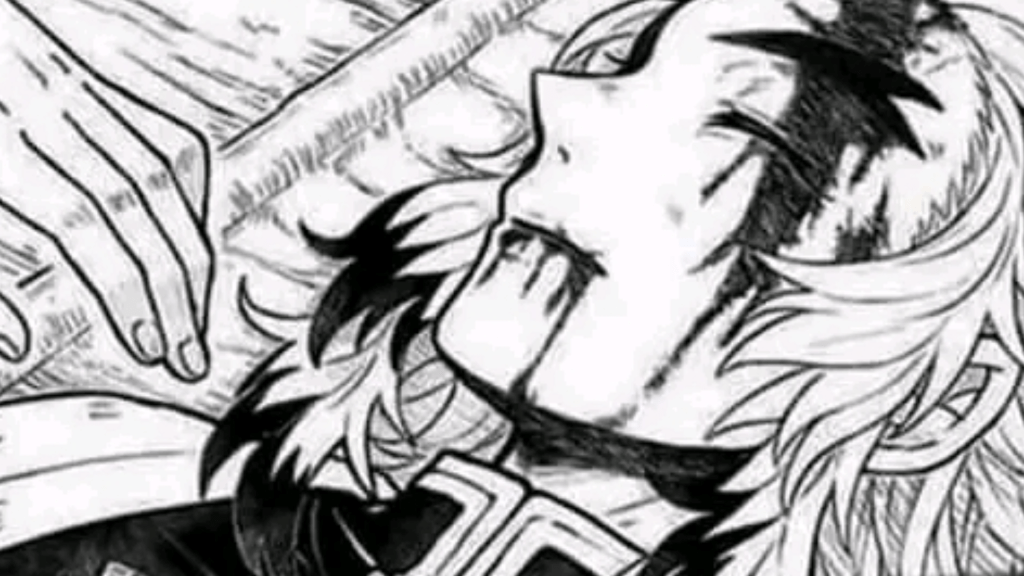
The Demon Slayer manga doesn’t shy away from the harsh realities of its world, particularly the themes of sacrifice and mortality. While the anime touches on these themes, it often prioritizes the action and spectacle over the emotional weight of these moments. For instance, the deaths of Hashira like Rengoku, Shinobu, and others hit harder in the manga because it spends more time reflecting on their sacrifices and the legacy they leave behind.
In the manga, there’s a constant reminder that being a Demon Slayer comes with a heavy price, and not everyone gets a happy ending. This unrelenting focus on mortality adds a layer of poignancy to the story that the anime, despite its emotional moments, doesn’t fully capture.
1. The Final Battle Against Muzan
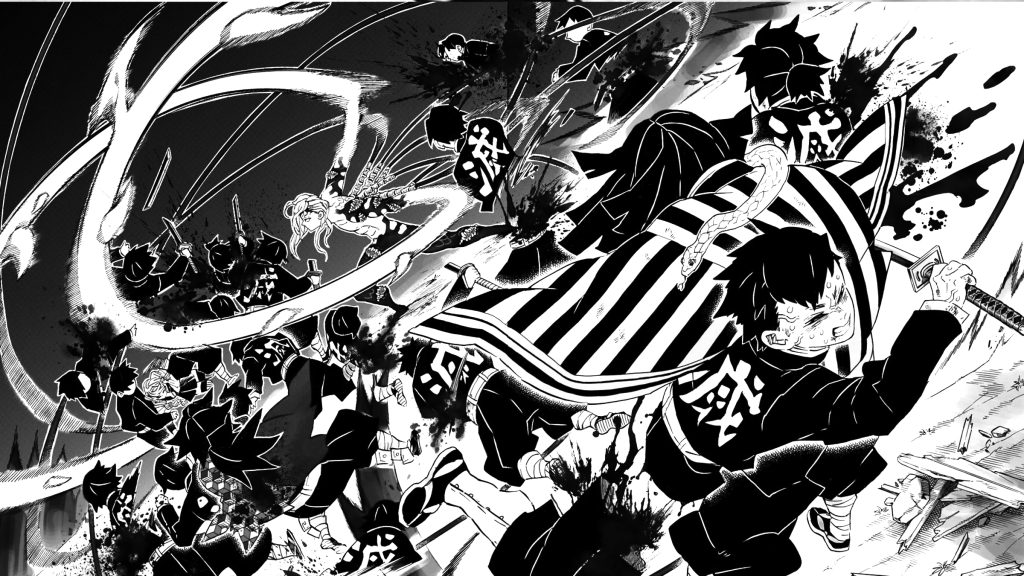
The anime has yet to adapt the final battle against Muzan, but those who’ve read the manga know it’s one of the most intense and emotionally charged arcs in the series. The manga portrays the sheer desperation and sacrifice required to take down the Demon King, with nearly every character pushed to their absolute limit. It’s a grueling, heartbreaking fight that highlights the strength of the human spirit in the face of overwhelming odds.
Readers witness the physical and psychological toll on the Demon Slayers, particularly Tanjiro, who comes dangerously close to losing himself. The anime will undoubtedly make this battle visually stunning, but it will be hard to match the raw intensity and emotional weight that the manga delivers.
What do you think? Leave a comment below and join the conversation now in the ComicBook Forum!
Most Viewed
-
Courtesy of David Production -
Image Courtesy of Madhouse