
Many fans will tell you that Stan Lee’s original run on The Amazing Spider-Man is still one of – if not the – definitive Spider-Man comics of all time. Across one hundred and ten issues (minus a few fill-in issues from Roy Thomas), Lee’s run cemented the world and characters of Marvel’s most popular hero. Its pinnacle was actually its earliest issues, with pencillers Steve Ditko and John Romita, a period of incredible creativity where literal dozens of iconic characters were introduced. Moreover, these issues featured classic scenes and set-pieces that are still foundational to the character’s mythology – as well as being explicitly referenced in films, television, and video games over the past sixty years.
Videos by ComicBook.com
For this reason, it’s also these issues that are the most sought-after among Spider-Man fans. Virtually every major first appearance in Amazing Spider-Man can be found in the title’s first few years, sometimes several in the same comic. This is the rare run where an issue can be key for multiple reasons, as with Amazing Spider-Man #31 serving as the first appearance of Gwen Stacy and Harry Osborn, or Amazing Spider-Man #43 providing Rhino’s origin and Mary Jane Watson’s first full appearance. When these early Amazing Spider-Man issues come up for sale at comic book stores or conventions, they are always the first thing to sell – virtually regardless of condition. Early Amazing Spider-Man is so popular that there is as much of a collector market for a 2.0 graded copy of a classic issue as there is for a 9.2. Lots like this one, on auction through Heritage, are always popular listings, giving fans to own nine classic issues of Amazing Spider-Man at once – issues that might take years to track down individually.
Why This Nine-Issue Lot Represents the Best of Silver Age Spider-Man

The earliest issue included with the lot is Amazing Spider-Man #33, instantly recognizable to almost any Spider-Man fan. Titled “The Final Chapter,” it’s the culmination of a three-part storyline where Spidey faces off against Doctor Octopus in the guise of the “Master Planner.” Aunt May, who is ill with a life-threatening condition – and Ock has stolen the rare serum that can cure her. This issue sees Spider-Man trapped in the rubble of Ock’s headquarters, with not only his life on the line, but that of the person he loves most. Mustering all of his remaining strength, Spider-Man lifts the rubble over his head, an enduring image that, for many fans, summarizes what makes Spider-Man Marvel’s greatest hero. It’s a definitive portrayal of his decency, determination, and steadfast refusal to give up, even under unsurmountable odds.
“The Master-Planner Saga” is the pinnacle of Ditko’s time on Amazing Spider-Man. The issues that followed were marred by creative differences between Ditko and Lee, resulting in a creative nadir that’s expressed in underwhelming new foes like Robot-Master (issue #37) and a “Guy Named Joe” in issue #38 (Ditko’s last). In the midst of this, Ditko would introduce one last, iconic villain: Norman Osborn, target of revenge plot by Robot-Master. Osborn was actually a key figure in the dispute between Lee and Ditko, as Lee wanted to reveal Osborn as Green Goblin, the culmination of a years-long mystery. Ditko felt Green Goblin should instead be a character readers had never seen before, and Ditko left after Lee refused to acquiesce – whether he was fired or quit is a long-standing point of contention. Osborn’s debut is a highly underrated key, usually overshadowed by Green Goblin’s debut in Amazing Spider-Man #14. Issue #38 comes with a fun bonus for hardcore Spider-Man fans, serving as a tease for another running subplot: Peter’s continued “you-just-missed-her” broken dates with his neighbor’s niece, Mary Jane.
The reveal of Green Goblin’s secret identity was the literal first storyline Lee did with Ditko’s replacement, John Romita, in Amazing Spider-Man #39-40. Issue #40 is included with the lot, and features the unmasking of Norman Osborn by Spider-Man, another seminal moment in Spider-Man’s early history. Lee and Romita’s next storyline introduced Rhino, as well as finally paying off the Mary Jane Watson sub-plot. The Heritage lot includes two of three issues from this storyline (#41 and #43), including issue #41 – Rhino’s debut – in duplicate. Issue #43 marks the first full appearance of Mary Jane Watson, and featuees what is retroactively considered by fans (and by the parties involved) to have been MJ and Peter’s first date. When a news broadcast about Rhino’s rampage comes across the TV while Mary Jane is over Peter’s house, he tries to make a quick excuse to leave, saying he needs to take photographs for the Daily Bugle. To his chagrin, this doesn’t shake MJ. Instead, she decides this sounds like fun, and insists on coming with him – incidentally making it difficult for him to make his quick-change into his web-slinging alter ego. Later retcons establish Mary Jane was already well aware of Peter’s double life, suggesting that this was deliberate and she was messing with him – which any Spider-Man fan will tell you is perfectly in-character.
The final two issues in the lot aren’t major keys, but are just as desirable to a Spider-Man collector: Amazing Spider-Man #44-45. Another multi-issue story, this two-parter brings back the Lizard, first and last seen years prior in Amazing Spider-Man #6. It’s another example of the intricacy of Lee’s Spider-Man storytelling, as Lizard’s civilian identity, Curt Connors, was reintroduced during the Master-Planner Saga. Connors’ role in those issues, helping Spider-Man synthesize the serum that saves Aunt May’s life, adds to the pathos of his return as Lizard, which forces Spider-Man to fight against an ally and friend. That dynamic persists across Lizard’s appearances across the decades, making him one of the most multi-faceted and tragic figures in the wall-crawler’s rogues’ gallery. Melding this high drama with Peter Parker’s relationship woes and academic career at Empire State University, this story is practically the archetypical Spider-Man adventure, and the Silver Age at its best.
Why Stan Lee’s Silver Age Spider-Man Still Matters Sixty Years Later

The template set by stories like Amazing Spider-Man #41-43 or #44-45 is still what Spider-Man writers are drawing on today. It’s the formula that made Spider-Man into Marvel’s most popular hero, blending super-hero action with soap-opera love triangles and a perpetually-broke teenager’s everyday problems. On paper, that sounds like a recipe for disaster, but in practice, it made Spider-Man into Marvel’s most complex, relatable hero. With his flaws on full display, every reader can see a bit of themselves in Spider-Man, which means that we also share his triumphs when he rises to – or above – the occasion, as in “The Final Chapter” or issue #40’s “Spidey Saves the Day.” Bold and boundary-pushing in its day, that emphasis on the human side of heroes is what set Marvel apart, turning the publisher into a major force in popular culture. By the decade’s end, Spider-Man had his own cartoon series. By the end of the next, he was a certified icon, his comic book and television appearances making him the role model of millions.
That history, which continues to the present day with films like Spider-Man: Brand New Day, series like Spidey and His Amazing Friends, and a comic that recently celebrated its thousandth issue, all begins in these issues by Lee, Ditko, and Romita. Unlike many super-heroes, where their earliest appearances are a throwback that demands occasional tribute or reference, these stories are still at the heart of Spider-Man media. Imagery from “The Final Chapter” is recreated for the climax of Spider-Man: Homecoming. Mary Jane’s introduction on the final page of Amazing Spider-Man #42 is still quoted in comics to this day. For Spider-Man fans, this nine-issue lot is a tangible connection to that history, a connection to a past that shapes the character’s present, and will continue to shape his future for years to come.
What’s your favorite Silver Age Spider-Man comic? Leave a comment below and join the conversation now in the ComicBook Forum!
More Collectibles
-

Courtesy of 20th Century Studios -

Courtesy of The Walt Disney Company -

Courtesy of The Walt Disney Company

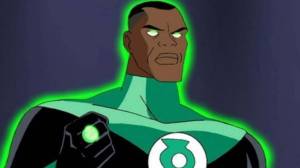

Forum Conversation: Which DC Superhero Has the Most Iconic Costume?
Go to ForumKid Flash has a good one.
Everyone always talks about Superman and Batman, but honestly, 90s Conner Kent’s Superboy has one of the coolest looks! That classic leather jacket combo is such a vibe. I actually bought a faux leather superboy leather jacket a few years ago that’s pretty worn out by now, so I’m planning to upgrade to a real sheepskin leather one soon. Definitely my top pick for DC costumes!
Would it be cheating to say Icon?