DC Comics didn’t create the event comic book as we know them today — a limited series as the epicenter of a massive event that crosses through the majority of the line. However, DC did plant the seeds for these crossovers, with their Silver/Bronze Age yearly JLA/JSA crossovers putting their heroes into multiverse-shaking stories that would serve as the basis for the event comic. DC puts out some of the best events ever, many of them following the same basic premise (universe-altering events that change the course of history) and they often have the word “crisis” in the title. The publisher’s “Crisis” books are some of the best ever, but there’s one that has become quite controversial among fans: 2008’s Final Crisis, from Grant Morrison, J.G. Jones, Carlos Pacheco, and Doug Mahnke.
Videos by ComicBook.com
The mid to late ’00s were an interesting period for DC and its fans. Starting with 2005’s Infinite Crisis, a story published for the 20th anniversary of Crisis on Infinite Earths, the publisher started to bring back classic aspects of their comics and the old multiverse. It was an exciting time, with some of the best creators in comics rebooting classic characters and teams. Morrison was on Batman at the time, but they had been building the ideas for their ultimate event comic (which they had titled Hypercrisis) for years. They finally got the chance to tell the story as Final Crisis, a book that has gone down as one of the complex and misunderstood events in comic history. This story is no doubt complicated, but that complexity is why it is so great.
Final Crisis Showed What an Event Comic Can Be
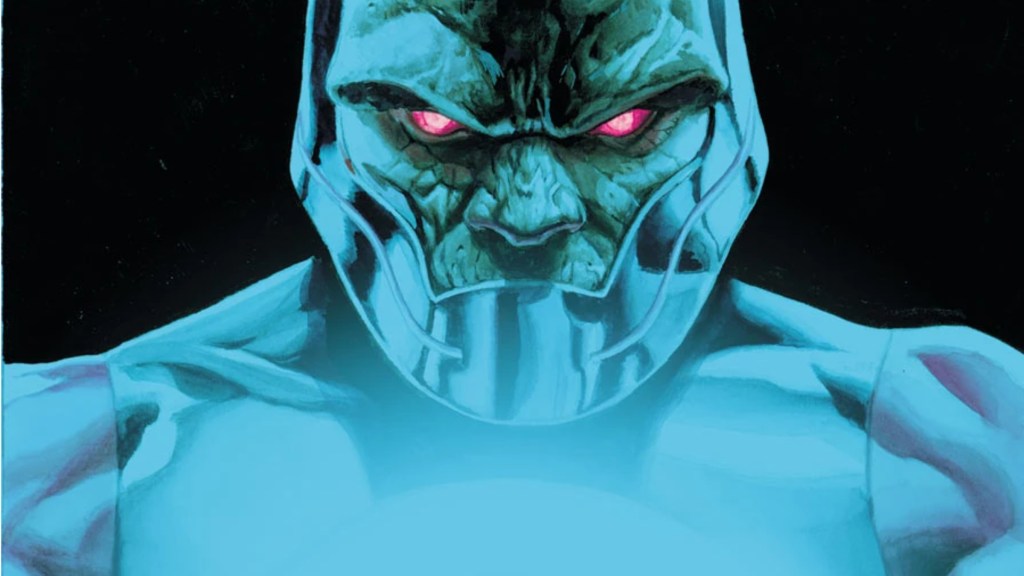
I’m not going to mince words: Final Crisis is not an easy series to understand. It seems like it should be a simple story: Darkseid uses the Anti-Life Equation to enslave the Earth after the destruction of Apokolips, pulling the multiverse into oblivion where he can rule forever. Meanwhile, a shadowy enemy decides to use the situation as a way to finally end the multiverse. The final issue can feel like it’s from an entirely different comic, as it seemingly introduces an entirely new villain and threat after the heroes are able to defeat Darkseid, one last hurdle to clear to restore the multiverse.
If you don’t read Final Crisis: Superman Beyond 3-D (which is now included in collected editions of the story), the entire Monitor storyline that is a part of the book makes little sense, and the rest of the comic is trademark Morrison. The Scottish scribe is known for the complexity of their stories, and taking readers in directions they never would have guessed. Final Crisis is the perfect example of this, and it has more to say about comics than the standard event for this reason.
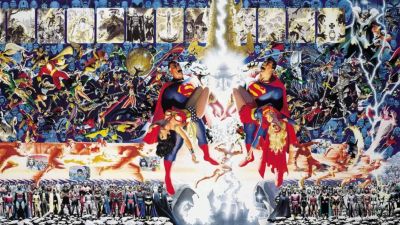
The story of the publication of the book plays into how it turned out. Basically, Morrison and DC editorial weren’t really communicating very well and the build-up was botched completely by the publisher. One of the core ideas in Final Crisis is the Monitors being a force of stagnation in the multiverse, and Morrison based this idea on comic editors. The Monitors were revealed to be vampiric parasites that latched themselves to the multiverse, sucking it dry and trying to take it in their directions. The Monitors in the story were revealed as one of the problems with the multiverse, standing in for the corporate powers that control the American comic industry.
Final Crisis is as much about Morrison’s views on the comic industry and what it does to stories as it about a battle between good and evil, which is what makes it so interesting. Reading it from that perspective, it makes sense. Moments lik old school Superman character Dan Turpin, a character heavily based on Jack Kirby, becoming Darkseid represents how editors takes older ideas and makes them edgy, destroying what we loved about them, while also disrespecting the original creators. There are so many little scenes in the book that show Morrison throwing shots at the editors that cut up their story (originally, Superman Beyond 3-D was meant to be a part of the book that was made into a mini), and the way they treat new characters (one gets the impression that the new Forever People were created to prove this point). Final Crisis has some amazing action and big moments, but what makes it so great is what it says about modern comics, and how the powers of editors and corporations have ruined them in many ways.
Final Crisis Brought a Depth to Event Comics that Isn’t Usually There
Event books sell well, but very few of them ever actually say anything. They’re the big summer blockbusters of the comic industry, and most fans don’t expect anything too deep in them. Morrison’s Final Crisis has a lot of blockbuster moments, but what really makes the story sing is the subtext. Morrison had been badly treated by editors at Marvel (they left the House of Ideas because of weekly shouting matches with editorial, as revealed in their book SuperGods). They watched their ideas for Hypercrisis cut up and their requests that no one use certain characters ignored. Final Crisis is as much about comics as anything else.
The corporatization of art has become a huge problem in the 21st century (and with AI will get worse), and Final Crisis, in many ways, is a reaction to that. Corporations don’t care about art, they care about profit. Much like the Monitors in the story, they attach themselves to it and suck it dry. This event talks about that, and reading it in with that idea in mind makes the story much better. 18 years ago, Final Crisis was able to tell a deep story about modern entertainment, hiding it in a superhero epic. It has gained a reputation over the years for opacity, but once you understand the whole point of the story, it’s much easier to understand.
What do you think about Final Crisis? Leave a comment in the comment section below and join the conversation on the ComicBook Forums!
More Comics
-
Image Courtesy of DC Comics -
Image Courtesy of Marvel Comics -
Image Courtesy of Marvel Comics -
Image Courtesy of Marvel Comics -
Image Courtesy of DC Comics -
Image Courtesy of Marvel Comics
![Miracleman Teams Up With Earth’s Mightiest Heroes in Avengers #2 Cover Reveal [EXCLUSIVE]](https://comicbook.com/wp-content/uploads/sites/4/2026/09/avengers-miracleman-exclusive.jpg?w=300)