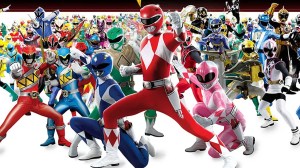
Superhero families are one of the most unique and interesting developments that have emerged from the long-running superhero genre. Since most heroes in both DC and Marvel are designed to be eternal, they have stuck around for decades. In that time, naturally, a plethora of side characters have been introduced. As superheroes are designed to be inspirational, it only makes sense that some would be fellow defenders of justice. Hence, other superheroes emerge and work alongside the original, either as sidekicks or associated partners. The Batman Family, Flash Family, and even the Order of the Web are all great examples of this phenomenon, where these galvanized heroes become mainstays, but our focus today is on the inception of this concept.
Videos by ComicBook.com
The precedent for calling these connected groups of superheroes families was set by Fawcett Comics’ own Marvel Family, but it was established as a universal term when DC created the Superman Family. Superman had been building his own family of superheroes and associated allies for decades, and DC finally decided to go all in on this concept with the release of Superman Family #164. The reason it started as issue #164 is that this series was a rebranding of Superman’s Pal, Jimmy Olsen, which, fifty-two years ago, released its final issue in the transition to something greater.
Superman’s Pal, the Superstar
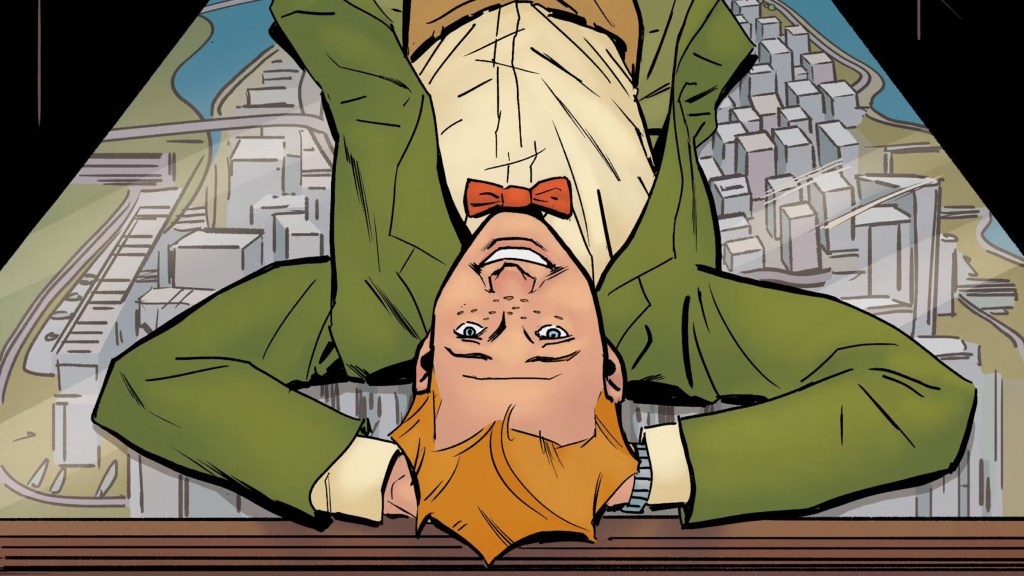
Jimmy Olsen was first introduced as an unnamed newsboy way back in Superman’s earliest adventures, but was first properly shown in Superman (1940) #91. He became the Man of Steel’s sidekick and best pal, going on all kinds of adventures with him and always needing to be saved. Jimmy Olsen is the most interesting man in the world, in the sense that he can walk down the street and find an ancient artifact, be teleported to the opposite end of the cosmos, overcome a hundred trials to return home, and immediately go get a haircut as if nothing happened. He’s such a magnet for insanity that, out of everyone on the planet, he’s the only one Superman has given a special watch to summon him. Even Lois doesn’t have that.

Jimmy proved to be popular, and in 1954, he was granted his own series where he was the lead, and Superman was a main but supporting character. He commanded this position for one hundred and sixty-three issues across twenty years, which is more issues than most comic book heroes will ever get. Yet, as Superman’s supporting cast grew, DC couldn’t ignore their rising popularity. Supergirl had already become a mainstay character in Action Comics, but others like Krypto, Lois Lane, and even the young Superboy all commanded popularity, but not enough to justify that many books. So DC took a risk and changed everything.
The Birth of DC’s Superhero Families
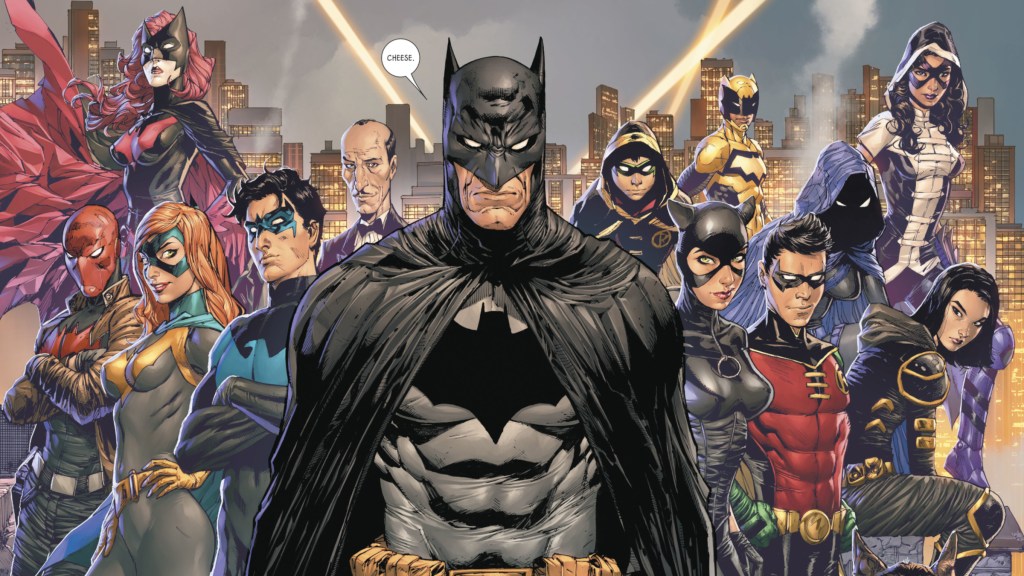
The Superman Family had existed for years before DC decided to give them a name, but in doing that, they created something much greater than a single family. First, they established a precedent that changed how they handle their superheroes forever. These heroes and characters were not just associated with each other; they were united under the single Superman banner. Introducing them as the Superman Family let DC change how it approached them, seeing them as a unit instead of disparate characters. This shift would almost immediately be followed by the Batman Family comic, which similarly created the umbrella term for Batman and his allies. Making them a family made their adventures more interconnected than ever before, and established that even solo heroes could work with larger groups.
Today, most long-running superheroes have families like this, from the Wonder Family to Team Arrow, and that is a direct result of how DC organized the Superman Family way back when. These families provide an incredible focus on how the main hero has influenced the world and the people around them. DC has always focused on legacy, and since they obviously want to keep their established heroes around, the absolute best way to show their legacy is by establishing a group of close characters who they have changed like this. Tying the families under this heroic umbrella is the perfect way to establish a legacy and focus while giving the less popular but equally important members the spotlight they deserve.
The Superman Family paved the way for how DC handles its heroes’ legacies today, and it all started way back when with the release of Jimmy Olsen’s final solo issue. Which superhero family is your favorite? Leave a comment in the comment section below and join the conversation on the ComicBook Forums!
Most Viewed
-

Courtesy of Shueisha / Kadokawa / Square Enix / Shogakukan -

image courtesy of Studio Ghibli