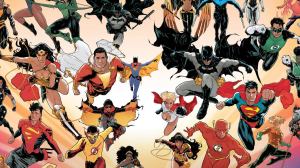
Being a fan of DC Comics right now feels amazing. The publisher has been on a tear since “Dawn of DC” in my opinion, when the publisher finally replaced their editorial staff and got a handle on their continuity after the departure of Dan DiDio. DC has reached new heights of success and a part of that has been rebuilding what we once lost. Once upon a time, decades ago, DC was a very different place. It was a place of infinite Earths, all brought together by the Justice League. It was full of larger than life heroes, dastardly villains, and some of the weirdest ideas and characters imaginable. It was a place where it felt like anything could happen and there was billions of years of history across multiple universes to discover. Crisis on Infinite Earths was a dividing line; what came after would be completely different.
Videos by ComicBook.com
Post-Crisis DC has reached a level of sainted nostalgia, with an entire generation of fans coming up during the 20 years that it was extant. Looking back at the changes made to the publisher, it’s plan to see that they were going in more “serious” directions, partly because of the work of creators like Alan Moore, Frank Miller, Mike W. Barr, and various others and partly because of the successes that Marvel had making their universe more contemporary since the ’60s. Post-Crisis DC was able to snag numerous Marvel fans, but as the years went by, a generation of creators took over that came of age during the days leading up to Crisis. They wanted their DC Multiverse back and 20 years ago, the process truly began.
Infinite Crisis Made Everything Old New Again

While Dan DiDio is something of a sore subject for modern DC fans, there was a time when he was someone that we trusted and a big reason for that was the days leading up to Infinite Crisis. DC had weathered the ’90s well; unlike Marvel, they concentrated on building their writing corps and started the new millennium like a house on fire. DiDio would join the company and a war began between Marvel and DC over creators and reader attention. Eventually, plans would come around to what to do for the 20th anniversary of Crisis on Infinite Earths.
The publisher worked across their line to build up the story, leading into 2005, when things would go into overdrive with Countdown to Infinite Crisis, 80 pages of DC splendor from Geoff Johns, Greg Rucka, Judd Winick, Ed Benes, Jesus Saiz, Rags Morales, Ivan Reis, and Phil Jimenez. This story kicked off the build-up in earnest, leading into The OMAC Project, Villains United, Days of Vengeance, and Rann-Thanagar War, with the series itself from Johns, Jimenez, Reis, George Perez, and Jerry Ordway coming at the end of the year. Over the course of the build-up, creators gave clues on exactly what was going on, leading to the big reveal at the end of the first issue.
Infinite Crisis brought back Alexander Luthor Jr of Earth-Three, Superboy-Prime, and Earth-Two Superman and Lois Lane, revealing that Luthor and Prime had been behind everything that had been going on for the last two years. The story paid homage to the ’80s classic while tying up numerous plot threads that had come up across the various titles of DC Comics. It’s honestly one of the greatest event comics you can imagine; it was perfectly built and it delivered everything you could want.
I started reading comics in 1991 and was mostly a Marvel Zombie. It wouldn’t be until “Death of Superman” when I would learn about the concept of pre-Crisis and post-Crisis and even then, I was kind of unsure of the whole thing until I read Crisis years later. I didn’t know how it all worked and because of post-Crisis DC, I didn’t have to. I fell in love with the DC Universe, so when stuff from the old multiverse started popping up, it was new to me and an entire generation of readers. It was honestly exciting to have all of those ideas come back, because it opened the door for stories that newer fans hadn’t experienced.
Infinite Crisis was a thoroughly modern comic – you could tell that from the violence alone – but it was meant for one purpose: to make everything old new again. Between 1986 and 2006, DC creators had seeded the new DC Universe with pieces of the past, changing them for the modern day. However, if you didn’t know about the old days, you just got a cool new idea. Throughout the ’00s, we started getting more and more classic DC ideas back, from the rise of the Justice Society to the return of the Teen Titans and Kara Zor-El to a new Legion of Superheroes reboot. Infinite Crisis would bring back Diana Prince, Superboy, and the classic idea of Superman as the inspiration – and a member of – the Legion of Superheroes. The multiverse was about to come back.
Everything old was new again. Back then, I had an idea that DC was going to bring back numerous ideas from its past, but for me and the other fans who started reading post-Crisis, it was new and exciting. The publisher had built up its own flavor, one that combined modern, mature superhero storytelling with the whimsy and wonder of the past, and now we were going to get to see what would happen if DC showed us its past with that flavor. It was a magical time and, at first at least, it was fantastic.
In the days after Infinite Crisis, we’d get 52 and “One Year Later”, throwing everything forward a year. We got Justice League of America (Vol. 2) and Justice Society of America (Vol. 3), Geoff Johns on Action Comics, Kurt Busiek on Superman, Grant Morrison taking over Batman, Paul Dini on Detective Comics, Allan Heinberg on Wonder Woman, and numerous reboots and reimaginings. “The Sinestro Corps War”, Final Crisis, the death of Batman, and so much more was in the future, including a story called Flashpoint, which would derail everything.
DC Has Spent the Last Few Decades Working To Get Where They Are
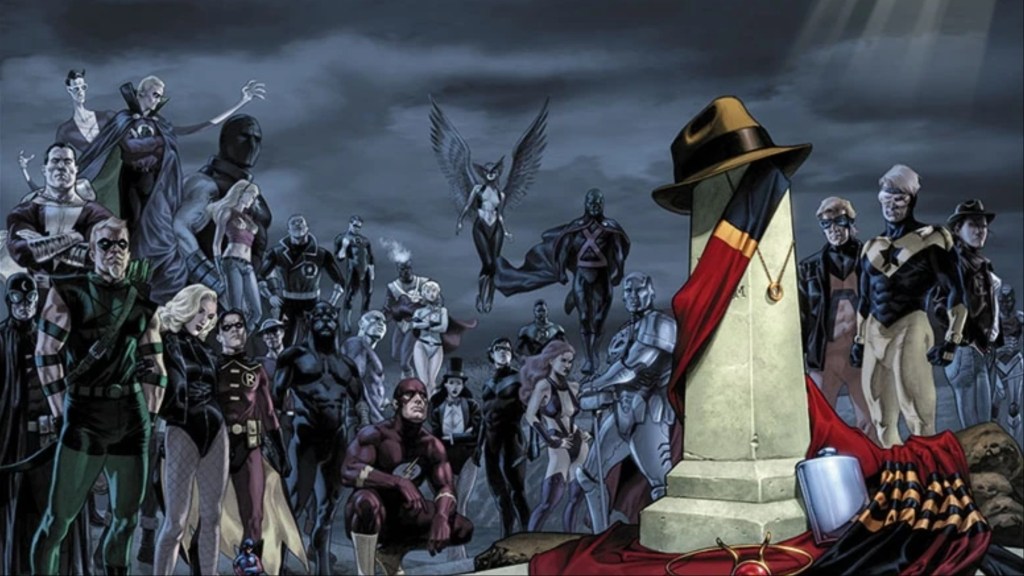
Flashpoint in 2011 led to the New 52, when DiDio tried to redo Crisis‘s big reboot and create his own version of the Silver Age DC Multiverse. However, the whole thing was a disaster; the reboot itself was badly planned and DiDio had built up a toxic environment at the publisher. He completely derailed the company and would pay for it with his job eventually. Since then, Jim Lee and new editor in chief Marie Javins have been rebuilding the company, working hard to bring them back to the heights they once reached.
20 years ago, Infinite Crisis was meant to be the bridge back to the DC Multiverse. Some of the best creators in the history of the comic industry came together in the wake of the story to redefine what the publisher and its characters could be, taking the lessons of yesteryear and applying the aesthetics of modern superheroes to them. Things were on their way there, with successes like Blackest Night and Brightest Day showing that DC fans loved the direction the 2005-2006 event sent the company. Things have finally started to get back on track, putting them on a road they started on two decades ago.
What do you think about Infinite Crisis and what it meant for DC history? Are you cool with the changes it started or would you have rather things stayed more post-Crisis? Sound off in the comment section below.
More Comics
-
Image Courtesy of Marvel Comics -
Image Courtesy of Marvel Comics -
Image Courtesy of DC Comics -
Image Courtesy of Marvel Comics -
Image Courtesy of DC Comics -
Image Courtesy of Warner Bros.