Marvel Comics in the modern day is a part of the biggest entertainment empire in the history of mankind. The Walt Disney Company owns Marvel, Star Wars, Aliens, Predator, Planet of the Apes, the Disney Princesses, Mickey and company, Pixar, the Muppets, and numerous other characters from across the history of pop culture. Nowadays, seeing Marvel crossover with a property that is well known to the greater audience is commonplace; it’s still a big deal, especially when it’s something like the recent Marvel/Star Wars announcement, but for the most part we’re used to it. There was once a time when it was much less prevalent, though, and that’s the ’00s.
Videos by ComicBook.com
After the success of Marvel’s Star Wars comics in the ’70s, various properties came to Marvel over the years, like Transformers and G.I. Joe, but they were almost all gone by the ’00s. However, the publisher was in the midst of its own renaissance, flush with money from blockbuster events like House of M, “Avengers Disassembled: Chaos”, and Civil War. They wanted to branch out and this led to a team-up that had been years in the making, one we’ll never see again – Marvel and Stephen King. King was a known comic fan, having included them in many of his books, movies (Maximum Overdrive, anyone), interviews, and in the various columns he’d wrote in magazines (remember his Entertainment Weekly column in the mid ’00s? I’m old) and had written an X-Men story years earlier for a charity comic. He ended up bringing two of his biggest properties to the House of Ideas, including his most personal favorite, The Dark Tower.
Marvel’s Dark Tower Comics Brought the Legendary Series to Life
Stephen King is American horror’s most prolific author. In fact, in a lot of ways, King is modern American horror. The man writes a book on a seemingly annual basis, creating an oeuvre of stories that will surely go down as one of the greatest of all time. King has had numerous massive hits, books that have become a part of the cultural lexicon in a variety of ways, but the work that means the most to him is easily The Dark Tower. He started it back when he was 19 years old, a number that would become an important part of the story, and it was his way of trying to write The Lord of the Rings.
The Dark Tower was a seven-book series, with an eighth added in the ’10s, that told the story of a man named Roland Deschain. He was the last gunslinger from Gilead, basically a knight errand with revolvers instead of a sword, traveling the wastelands of Midworld on a quest to find the Dark Tower at the center of reality. This quest takes him through the multiverse, assembling a group of refugees from the real world for a journey with nothing less than the fate of existence hanging in the balance. It’s an amazing series and it’s only the beginning.
The Dark Tower is the confluence of King’s multiverse of stories, with many of his books being “levels of the Tower”, other worlds that we never got to see. Remember the TV show Castle Rock? How it called back to numerous King works? The Dark Tower books are like that show. It’s the most important part of King’s work, forming a spine for the rest. The series has a fervent group of fans, not least of whom is King himself (who ended up writing himself into the story as well). The fandom was quite disappointed in The Dark Tower movie, but the comics would be a different story.
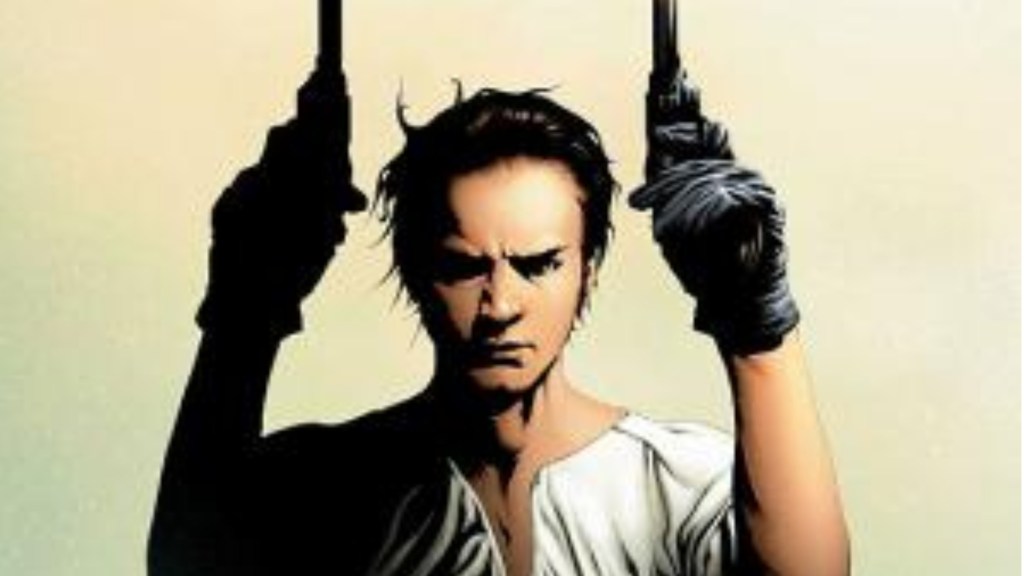
Marvel was on a massive winning streak in 2006 when The Dark Tower: The Gunslinger Born was announced. The miniseries was going to be written by the legendary Peter David and King’s Tower assistant Robin Furth with art by the team of Jae Lee and Richard Isanove. It would tell the tale flashbacked to in (the best book and I will fight anyone who thinks otherwise) the fourth book of the series, The Dark Tower IV: Wizard and Glass, which was Roland’s first mission as a gunslinger, back before Gilead was destroyed. It was the chronologically first place to start, but it was also the most emotionally dense part of the story. It was a risky move, but it paid off.
The book was a smash hit and for good reason; David was able to take the book and bring everything in it to his script, capturing the emotion, the majesty, the sheer grit of the story. Lee and Isanove were phenomenal, their art bringing Midworld to life like never before (although The Dark Tower books do have illustrations). It was perfect and Marvel got to continue the story of Roland after his time in the Meijas with The Long Road Home, Treachery, Fall of Gilead, and The Battle of Jericho Hill, with David telling the untold portions of the fall of Gilead. Fans were ecstatic for the rest of the series to come to life on the comic pages.
However, that never happened. The Dark Tower: Gunslinger would start with the first book, The Dark Tower I: The Gunslinger, leading to The Journey Begins, The Little Sisters of Elluria, The Battle of Tull, The Way Station, and The Man In Black, with two miniseries, Sheemie’s Tale and Evil Ground, and a one-shot So Fell Lord Perth, from Furth and David, with The Dark Tower: The Drawing of the Three adapting the second book of the same name. However, it would be the end of the quest for Marvel Comics. The sales had faded away. Roland may have gotten to the Tower in the end, but Marvel couldn’t, stepping off the path before they got to The Dark Tower III: The Waste Lands. That would have been something to see.
Marvel Isn’t as Stedfast as Roland and Left the Quest Behind
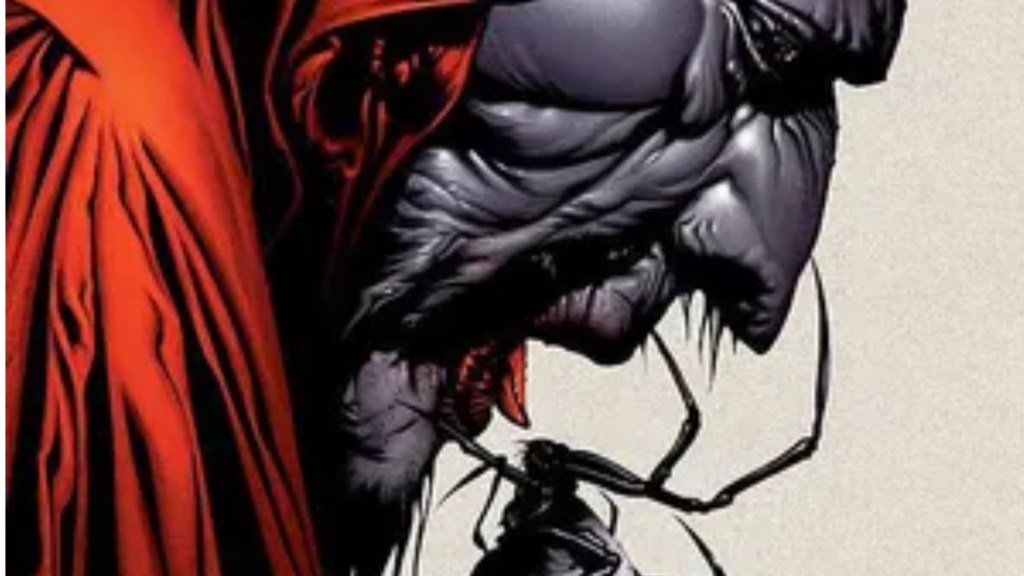
Much like Roland, I am a Tower junkie, so the comics were perfect for me. The books sold like hot cakes and gave readers a chance to get an adaptation of a series that was for long thought to be unadaptable. However, as far as it goes, the fact that it wasn’t written by King himself worked against it. One of the things about the Tower is that it is a multiverse and the canon is what King says it is. Since this wasn’t written by him, this made its canon status questionable, especially when it started to tell stories we’d never gotten, like the Battle of Jericho Hill.
Marvel and King would team together for The Stand as well, with TV writer Roberto Aguire-Sacasa working with artist Mike Perkins. It’s probably the best adaptation of The Stand ever; Aguire-Sacasa didn’t have to censor the story like the beloved ABC adaptation and didn’t change it like the not-so beloved CBS adaptation, and Perkins was able to bring it all to perfect life. Readers at least got to see the end of that one. King fans always want more of the Tower and for a while, these comics scratched their itch.
Are you here to fight about The Dark Tower IV: Wizard and Glass? Proceed to the comment section below to tell us what you think.
More Comics
-
Image Courtesy of Marvel Comics -
Image Courtesy of Marvel Comics -
Image Courtesy of Marvel Comics -
Image Courtesy of DC Comics -
Image Courtesy of Marvel Comics -
Image Courtesy of Marvel Comics