Spider-Man has long been Marvel Comics‘ standard bearer. While the Fantastic Four and the Avengers deserve their credit in the Silver Age success of the House of Ideas, the Wall-Crawler was the missing ingredient, the hero who appealed to everyone. Captain America, Thor, Hulk, and iron Man were great, but Spider-Man was relatable to readers and that made all the difference. Since then, he’s kept his spot at the top. The Amazing Spider-Man is the publisher’s flagship title and in a lot of ways the entire Marvel Universe is built around him. He’s at a center of a web that influences everything; sometimes, that’s a good thing, but other times it can be a problem.
Videos by ComicBook.com
Being a Spider-Man fan can be difficult. Marvel understands the position the character plays in their success, so they are very hands-on with the hero. This has led in some unfortunate directions over the years. “One More Day” was a catastrophic turning point in the history of the character, and it all came for a simple reason: Marvel editors felt that an older, married Peter Parker was too far from the original conception of the character, and that limited him. Since that story, Peter has been aged down in a lot of ways, but one of the most devastating to the Marvel Universe as a whole has been his actual age. The House of Ideas wants to keep him as a young possible, which opens up problems with a lot of other characters.
Spider-Man’s Youth Messes It Up for Everyone Else
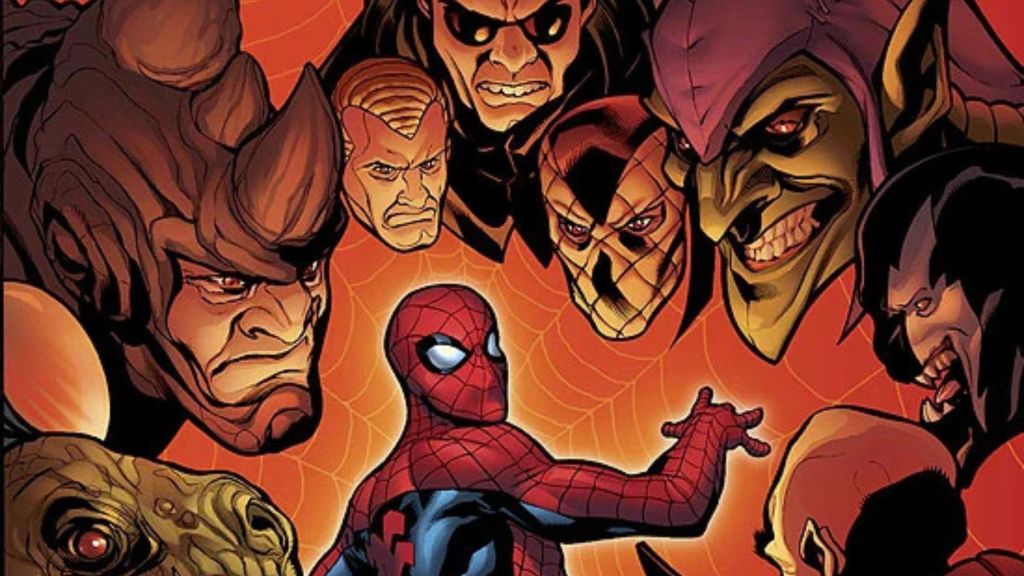
Okay, so we’re going to have to get into the weeds of imaginary time for this to make sense. Time in the Marvel Universe has always been a weird thing. The House of Ideas made their superhero universe more contemporary, and that has led to knowing just how much time has passed on Earth-616 becoming almost impossible, since everything is always changing to meet the present day. However, there are a few things we do know for a fact. Peter Parker became Spider-Man at age 15, around the same time as the Fantastic Four, Iron Man, Thor, Hulk, Ant-Man, and the Wasp all showed up.
Here’s where things get tricky. In the ’90s, it was posited by various writers, editors, and fans that ten years in real time has passed for the heroes of Marvel, which means that we should be further down the timeline another ten years (going by the 30 real world years equals ten years in comic time). However, Marvel executive editor and oracle of all things Marvel Tom Brevoort says that Peter is 25 years old still. This has become a huge problem not just because what it means for Peter and his stories, but also for other characters and the best way to illustrate that is by looking at Cyclops.

Cyclops is a Marvel legend and it has long been established that he and Peter Parker are the same age. They both put on their respective costumes at age 15 and have been fighting evil ever since. To put it bluntly, there’s no way in the infernal realm of the damned that he is in his 20s still. He’s closer to a 40-something, honestly. Sure, chaos like he’s experienced can age a person, but there’s no way that Scott Summers is a day under 30. And Spider-Man shouldn’t be either.
One of the joys of reading Spider-Man comics has been watching him age. Sure, it’s gone much slower, but it’s happened. However, Marvel is enforcing stasis on the character and it’s doing as much damage to him as the characters around him. We know when he started as a hero and we know how old Marvel writes him to be, so if we’re still saying that only ten years have passed, even 30 years after that number was established, something is rotten in the state of Denmark. Marvel’s pathological obsession with keeping Spidey young is hurting other characters.
Letting Spider-Man Grow Up Means Letting the Marvel Universe Grow-Up

Once upon a time, Marvel keeping Spider-Man on the younger side made sense. The majority of the readership was younger, and keeping him relatable was a key to getting new readers. However, the days of young people just wanting stories about young people is just as gone as young people buying comics. The people reading five dollar a pop Spider-Man comic that they buy from specialty stores aren’t kids, so keeping the character eternally young to appeal to them doesn’t really make any sense. Don’t even get started on movie fans, who aren’t buying comics in any numbers.
It gets worse once you realize that the whole Marvel Universe is being held back for this to work. Characters like Cyclops, who are the same age as Peter, seem much older, but they can’t be because of Spider-Man. What about former teen heroes like the members of the New Mutants or New Warriors? How old are they if Spidey is only 25? Kitty Pryde joined the X-Men at 13. Is she somehow only 18? What does that mean for her relationships with adult men in the ’80s and ’90s? There are lots of reasons to complain about what Marvel does with Spider-Man, but this one specifically is holding back the entire Marvel Universe.
How old do you think Spider-Man should be? Leave a comment in the comment section below and join the conversation on the ComicBook Forums!
More Comics
-
Image Courtesy of Marvel Comics -

Image Courtesy of DC Comics -

Image Courtesy of Marvel Comics -

Image Courtesy of DC Comics -

Image Courtesy of Marvel Comics -

Courtesy of the Walt Disney Company -

Image Courtesy of DC Comics