The X-Men exploded in popularity in the 1980s under the careful guidance of writer Chris Claremont, who watched over the team for almost the entire decade. The 1980s saw the X-Men trying things that changed everything about the mutant team. This era also took them into space, fighting the Shi’ar Empire in an attempt to save Jean Grey, and later their battle with the Brood, who were trying to assimilate the X-Men. This was also the decade that saw the X-Men take part in their first alternate timeline adventure and turn the corner, where the team introduced in 1975 as the All-New X-Men completely settled in as the main lineup rather than the original members to lead the team to incredible heights.
Videos by ComicBook.com
Here is a look at the seven best X-Men storylines of the 1980s, ranked by the importance and legacy of the events.
7) “Duel”
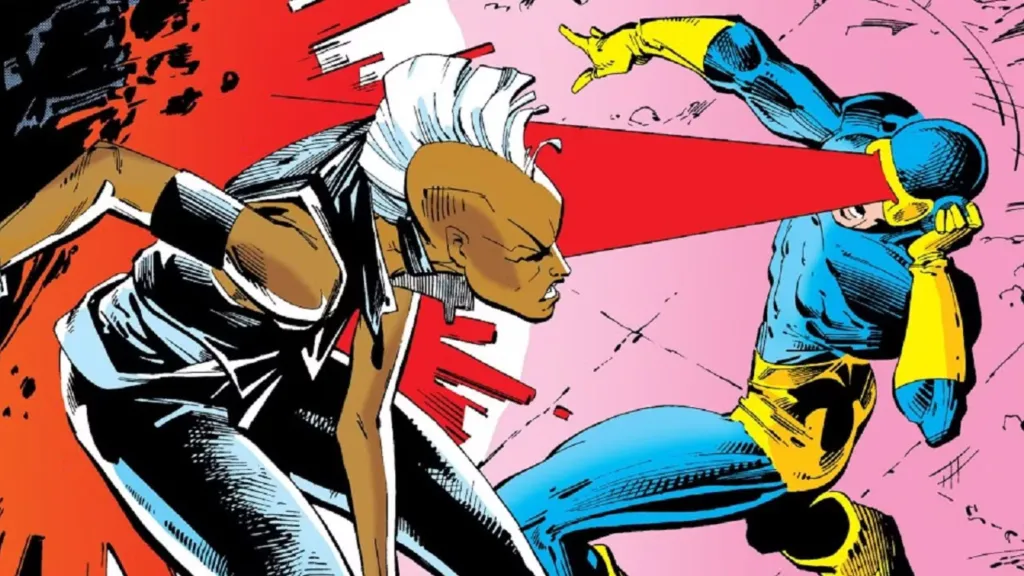
“Duel” was a one-issue story from 1986 that took place in Uncanny X-Men #201. By this time, the X-Men had mostly changed, with all the originals gone except for Cyclops. Beast, Iceman, and Angel left the team, and Jean Grey was seemingly dead. Replacing them were the All-New X-Men and later additions, Kitty Pryde, Rachel Summers, and Rogue. This issue saw a challenge for power as Storm wanted to take her place as the new leader, but she had to get past Cyclops to secure the role.
This was huge for Storm. At this point in time, she had lost her powers, but she wanted to prove she was the right person to lead this new version of the X-Men. Storm challenges Cyclops to a duel for leadership. In a shocking moment, a depowered Storm was able to outfight a distracted Cyclops, and when she took his visor, he had to submit. Storm took over leadership, and Cyclops quit the team. It changed everything and eventually set up the later X-Men vs. X-Factor rivalry.
6) “Mutant Massacre”
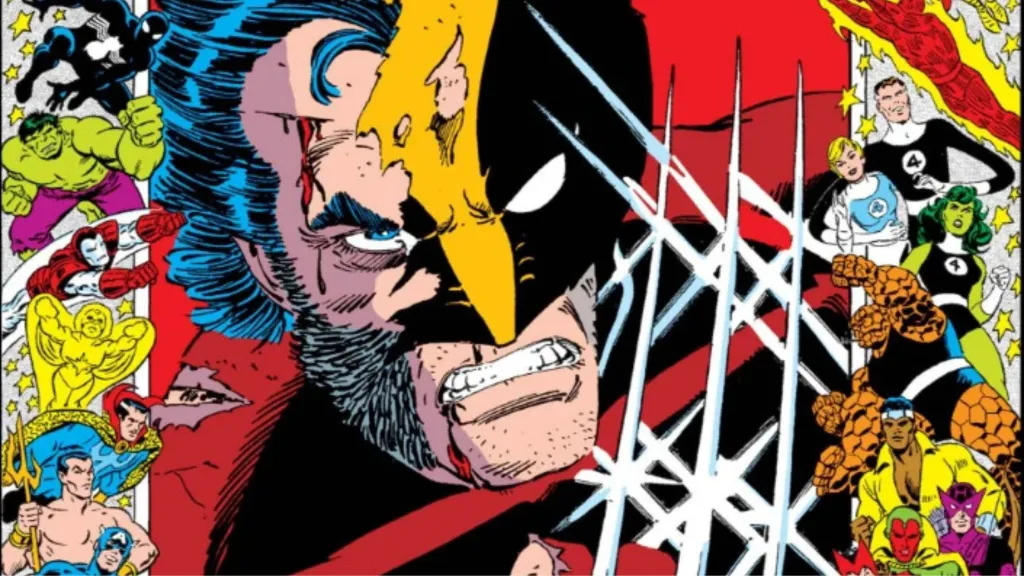
“The Mutant Massacre” was one of the most devastating moments in mutant history. This took place when Mister Sinister sent his Marauders into the tunnels under New York City, ordering them to murder the Morlocks who lived down there. This was to cover up his own actions, but what happened was horrific. The Marauders succeeded and killed almost all the Morlocks who lived down there. They also attacked Angel and caused gangrene to spread through his wings, forcing an amputation.
Thor and Power Pack helped the mutant teams try to save the Morlocks, but they failed to prevent the massacre. This led to Mister Sinister’s rise as one of the X-Men’s deadliest villains of the 1980s and beyond. It also led to a 1990s X-Men storyline where the team banished Gambit after they learned he helped lead the Marauders into the tunnels, although he wasn’t aware of their true intentions.
5) “Inferno”
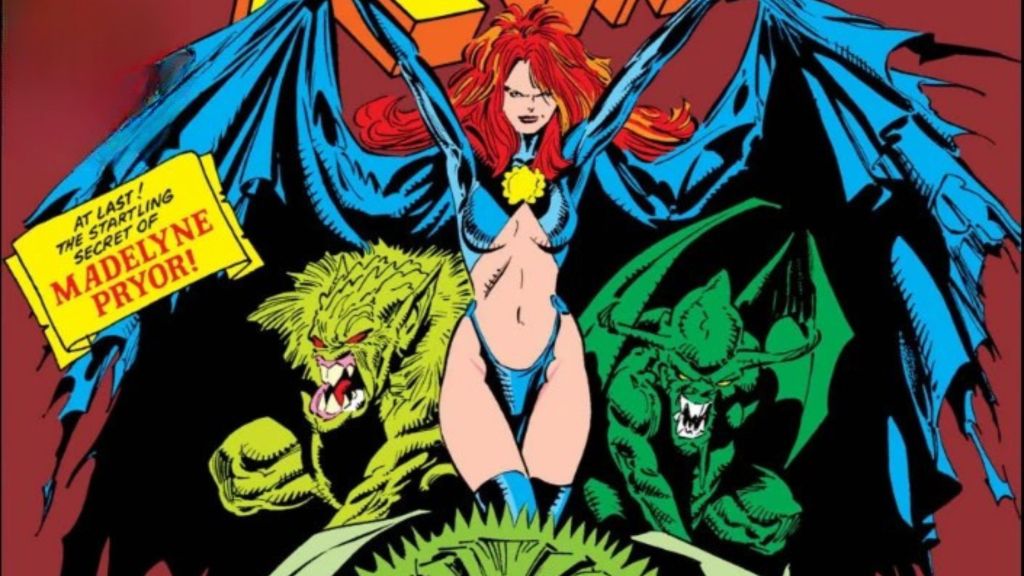
“Inferno” was a storyline from 1988 and 1989 that led out of both the “Mutant Massacre” and the formation of X-Factor when Jean Grey returned from the dead. This story ran from Uncanny X-Men #239-243, X-Factor #33-40, New Mutants #71-73, X-Terminators #1-4, and Excalibur #6-7. Cyclops left his wife, Madelyne, to go back to Jean, and then Mister Sinister sent his Marauders to kill Madelyne and kidnap her son, Nathan.
In one of the X-Men’s darkest storylines, it was revealed that Mister Sinister created Madelyne as a clone of Jean with the purpose of having a powerful mutant child. This was the 1980s X-Men storyline that saw Illyana Rasputin finally turn herself over to her Darkchylde form as Madelyne tried to bridge Limbo with Earth. It was also the storyline that built to the eventual origin of Cable when Nathan was sent to the future to save him from the techno-organic virus.
4) “The Dark Phoenix Saga”
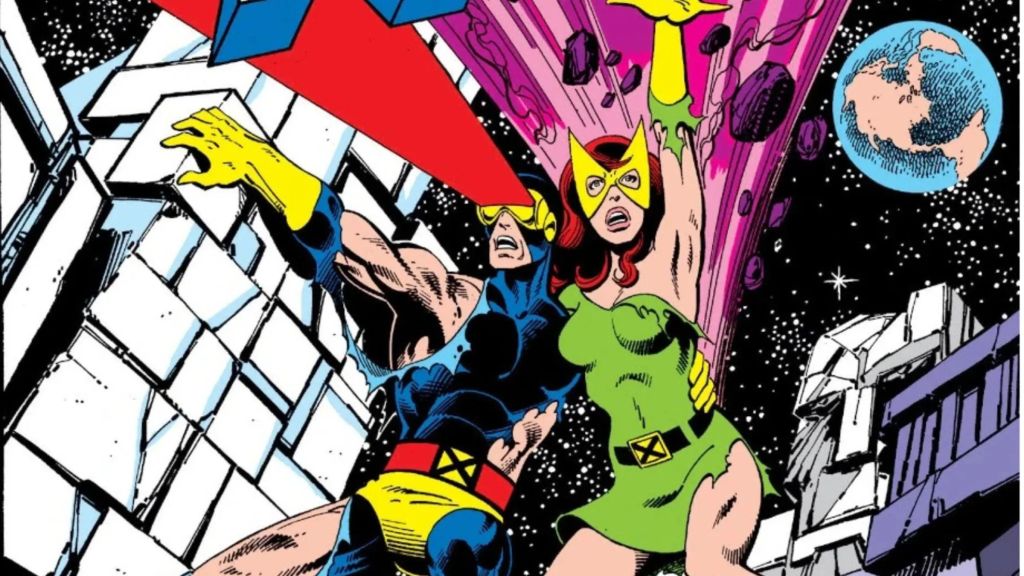
One of the most famous X-Men storylines of all time was the 1980 telling of “The Dark Phoenix Saga.” This started after Jean Grey changed from Marvel Girl into the Phoenix after a trip to space. However, when the Hellfire Club targeted Jean and began trying to break her down, they caused a breakdown that led the Phoenix to fly into space to consume a star, resulting in the death of millions.
The Shi’ar Empire then showed up to demand that Jean Grey die for her act of genocide. This storyline saw the X-Men fight the Imperial Guard for Jean Grey’s life. This was a shocking storyline, and it remains iconic because it was one of the first times in Marvel Comics that a hero died, as Jean sacrificed herself. This death was retconned a few years later, but for its time, there wasn’t a more surprising moment in Marvel.
3) “The Brood Saga”
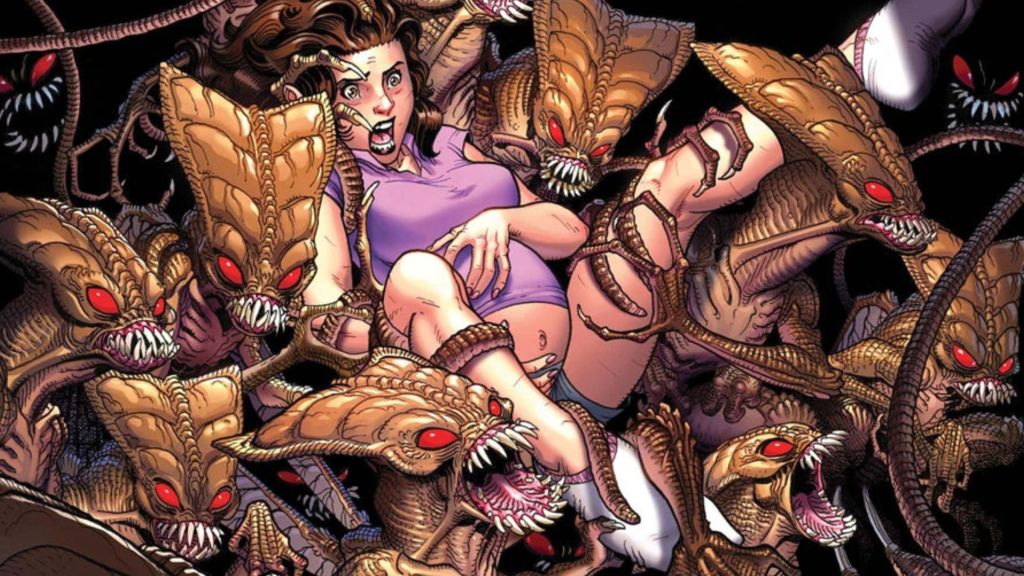
One of the X-Men’s most iconic villains arrived in the 1980s with the Brood. This was an alien species that attacked other beings and implanted queen embryos into their body. They could then control the bodies, and when they hatched, they had that being’s powers. This included Wolverine’s healing factor. This specific story introduced them and ran from Uncanny X-Men #155-167 (1982), with the core arc in #161-167.
The Shi’ar Empire was back, this time as allies with the Starjammers and Lilandra Neramani. Professor X even died thanks to getting a Brood queen implanted into his body, and his only survival came when his mind was transferred into a cloned body. This also saw Kitty Pryde take a leadership role at the academy. With a strong body horror aesthetic, this took the X-Men somewhere they had never been, and it remains one of the best horror stories Marvel produced in the 1980s.
2) “Days of Future Past”

“Days of Future Past” might be the best X-Men storyline from the 1980s, as it introduced the idea of alternate futures. Running from Uncanny X-Men #141-142 (1981), this story opened in a dystopian America in 2013, where the Sentinels ruled North America. They had exterminated almost all mutants, as well as other superheroes who tried to stop them. The surviving mutants are either dead or locked away in prison camps.
The story here saw Kitty Pryde send her mind back in time to her body from the present day to try to stop a Mystique assassination attempt on Senator Robert Kelly, something that led to these events. The story was self-contained, and it looked like Kitty helped avert this disastrous future. However, as future comics showed, this timeline still exists, and the idea of alternate timelines was set in stone.
1) “God Loves, Man Kills”
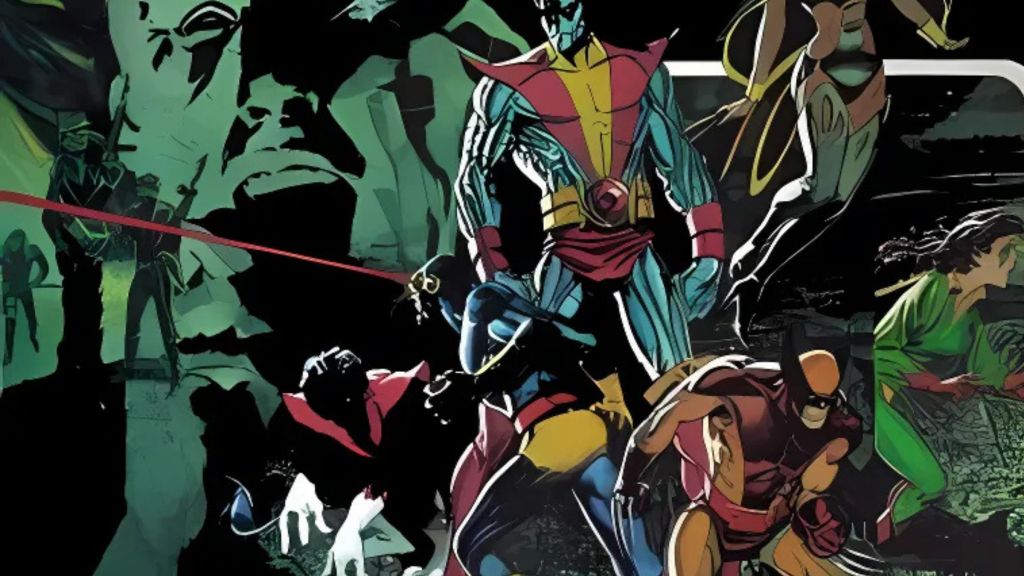
While “Days of Future Past” was the most popular storyline for the X-Men, the most important when it comes to modern storytelling was “God Loves, Man Kills.” That is because this story showed why the X-Men exist and what they stand for. This played out in Marvel Graphic Novel #5 (1982) by Chris Claremont and Brent Eric Anderson. This introduced William Stryker as a televangelist who leads his Purifiers in a holy war against mutants.
Stryker turned the world against mutants with his reach, and his Purifiers killed even mutant children to purge the world of evil. It wasn’t until Stryker attempted to murder a mutant child on television that the world finally turned on him. This story showed how the mutants represented every persecuted minority in America, and how charismatic men with power could turn society against them. This was the inspiration for the movie X2, but with Stryker as a paramilitary scientist instead of a reverend.
What do you think? Leave a comment below and join the conversation now in the ComicBook Forum!
More Comics
-
Image Courtesy of Marvel Comics -
Image Courtesy of Marvel Comics -
Image Courtesy of DC Comics -
Image Courtesy of Marvel Comics -
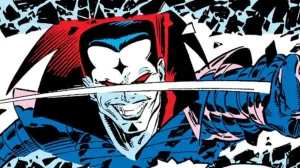
Image Courtesy of Marvel Comics -
Image Courtesy of Marvel Comics