The X-Men are one of the most storied franchises in comics. They first started waaaaay back in the ’60s, when anything from Marvel, especially anything with Stan Lee and Jack Kirby, sold well. The team started out fine, but after Lee and Kirby left, the book fell from grace, becoming the least popular of the Silver Age Marvel originals. X-Men (Vol. 1) became a reprint book for years, until 1974’s Giant-Size X-Men #1 made them popular again. Since then, we’ve gotten hundreds of comics starring the team, with numerous spin-off groups and solo stars being made by their books. Some of the most important issues of these various series are the centennial issues.
Videos by ComicBook.com
Nowadays, centennial issues are something of anachronism, especially with the way that Marvel constantly reboots series (strangely enough, the publisher is still obsessed with matching DC’s big numbers, but more on how they do that). However, once upon a time, centennial issues were a huge deal, introducing new ideas, creators, and more. These ten X-Men centennial issues are the most important, each of them changing the team in various ways.
10) Uncanny X-Men #600
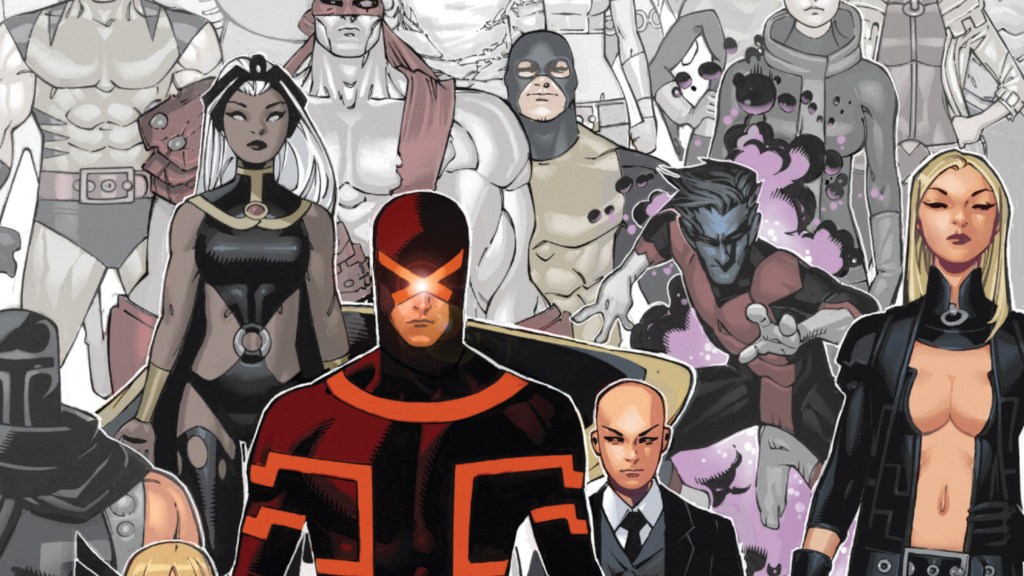
After the tumults of Avengers vs. X-Men, Brian Michael Bendis moved from the Avengers books to the X-Men books, writing All-New X-Men and Uncanny X-Men. Uncanny starred Cyclops, Emma Frost, Magneto, and Magik teaching a new generation of mutants to be revolutionaries, and it is one of the most maligned X-runs ever. Bendis didn’t do a great job with the team, and his run ended with Uncanny X-Men #600. This issue ended the “revolutionary Cyclops” plot, and led into post-Secret Wars era. It’s… fine, as far as quality, and it’s only important because it ended the blah Bendis run.
9) Uncanny X-Men #400

Uncanny X-Men #400 is almost completely forgotten, and a big reason for that is how unimportant it is. At the time of the issue’s release, Uncanny was the least popular X-title, with Ultimate X-Men (Vol. 1) and New X-Men tearing up the sales charts. Joe Casey was writing Uncanny, and while it was good, he was out of his element. This issue was the final part of the Church of Humanity story that Casey had been writing, and that’s pretty much all it is. It’s a fine story, but it’s not exactly important.
8) X-Men #300
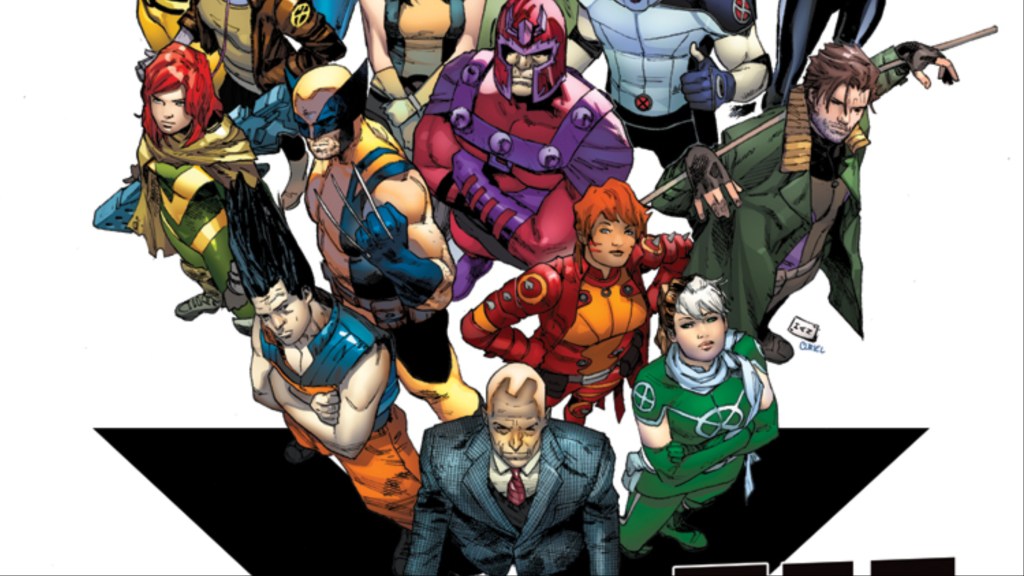
X-Men (Vol. 2) became X-Men: Legacy and contains the second longest run in X-history, with writer Mike Carey writing the book for almost a decade. Simon Spurrier would relaunch X-Men: Legacy but Carey would return for what would have been X-Men (Vol. 2) #300. As far as it goes, this book isn’t super important on its own. It’s the grand finale of a period of X-books that lasted years, though, and is honestly a pretty good read when it comes right down to it.
7) Uncanny X-Men #300

Uncanny X-Men #300 came out in 1993, at the height of the X-Men’s powers. The issue pit the X-Men against the new Acolytes, Magneto’s servants. This story plays a key role in the build-up to one of the most important X-stories of the early ’90s, “Fatal Attractions”. This holofoil emblazoned book was a great read. It introduced readers to a cool new villains (the last group of Acolytes had been killed in X-Men (Vol. 2) #3, so the ones in this issue are all brand-spanking new) and put the group on the road to one of their most important moments. ’90s X-Men comics were something else, and this was a fine example of everything they did well.
6) X-Men (Vol. 2) #100

Chris Claremont is the longest tenured X-Men writer, writing Uncanny X-Men and various other mutants books from 1974 to 1991. He made the team successful, and the ’90s were basically numerous writers trying to do Claremont-style stories, while also paying off plots he left dangling when he left. Sales fell over the decade, and it was announced that Claremont would return to the team with X-Men (Vol. 2) #100. This issue introduced the Neo, the villains of his second run, and is honestly a pretty good comic. However, a lot of fans didn’t like this second run very much, so most people will tell you that it’s bad.
5) X-Men (Vol. 1) #100

X-Men (Vol. 1) #100 was the sixth issue of X-Men after the Giant-Size reboot, so the team was still very much in the rebuilding stages. This issue took the new team to a space station, where they’d have to deal with a “betrayal” by Professor X and the original X-Men. This was an action-packed little yarn, but what makes it so important is that it set the stage for Jean Grey to become the Phoenix, as the next issue would see her volunteer to pilot the X-Men back to Earth. It’s something of a turning point in its own way, and an awesome hundredth issue.
4) X-Men (Vol. 2) #200

X-Men (Vol. 2) #200 ended the first year of Mike Carey’s run on X-Men (Vol. 2) and it did so with destruction. It was revealed that several members of Rogue’s rapid response team were working with Mister Sinister, with a new group of Marauders, including Gambit and Sunfire, attacking the X-Mansion. This issue kicked off the story that destroyed the teahm;s longtime home, which would see the group moving away from New York to San Francisco. It’s an exciting, action-packed banger that played a huge role in kicking off the upcoming Utopia Era of the team.
3) Uncanny X-Men #500
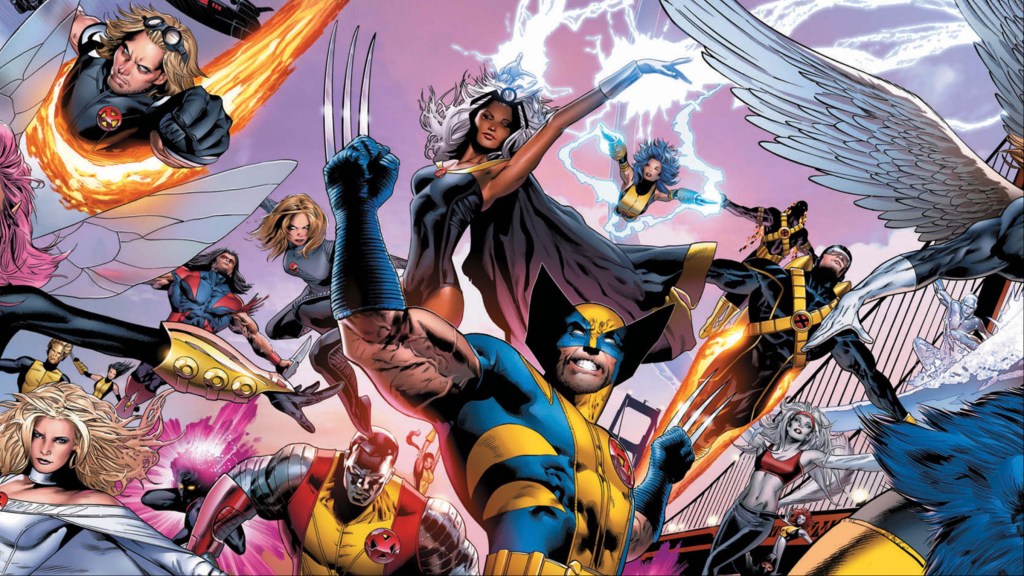
Uncanny X-Men #500 and X-Men (Vol. 2) #200 are honestly kind of interchangeable when it comes to importance. Some people would prefer X-Men (Vol. 2) #200 to Uncanny #500, mostly because Uncanny had Greg Land on art, and most fans were over his light-boxed art by this point. However, this is the issue where the team completes their move to San Fran, making it extremely important to the history of the team, so we need to overlook the art a bit. The issue itself is pretty good, with Terry Dodson also on art, so it’s not all Land’s… interesting compositions.
2) Uncanny X-Men #700
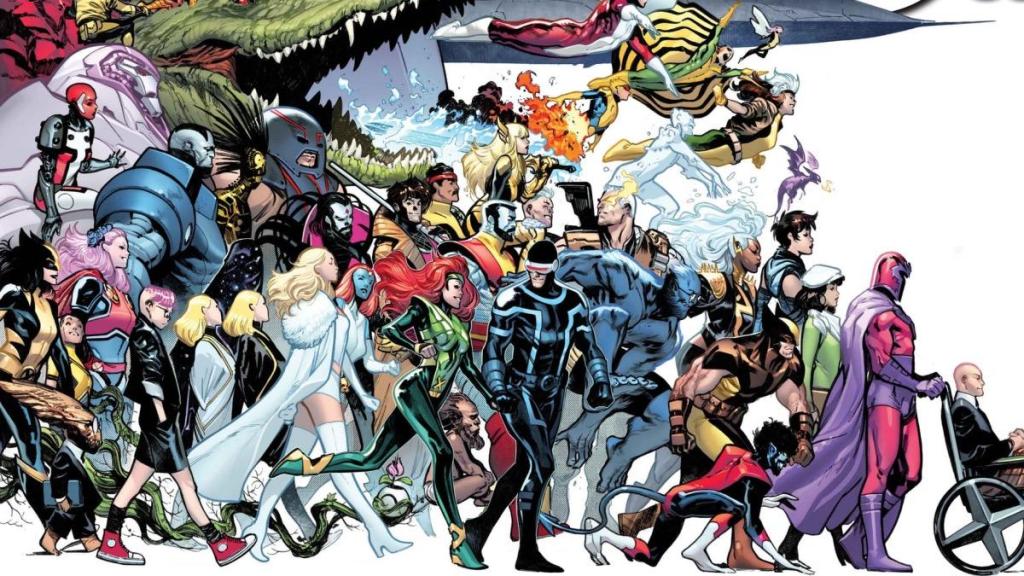
The Krakoa Era was the X-Men’s most inventive, and there are plenty of fans who never wanted it to end. However, it did, and Uncanny X-Men #700 was the result. This triple-sized issue was the grand finale, and while the end of the Krakoa Era has its problems, this issue was honestly pretty great. All of that said, this issue is kind of a cheat. X-Men Legacy #300 used the old numbering of X-Men (Vol. 2) to get to its number, but we hadn’t had an Uncanny series in six years by this point, with the last legacy number of the team being #631. This book counted issues of X-Men Vol. 5 and 6 towards Uncanny‘s count, which has never been done before. Marvel mostly just wanted a 700th issue to end the big story, because there aren’t actually 700 issues of Uncanny (sorry for being a pedantic nerd).
1) Uncanny X-Men #200
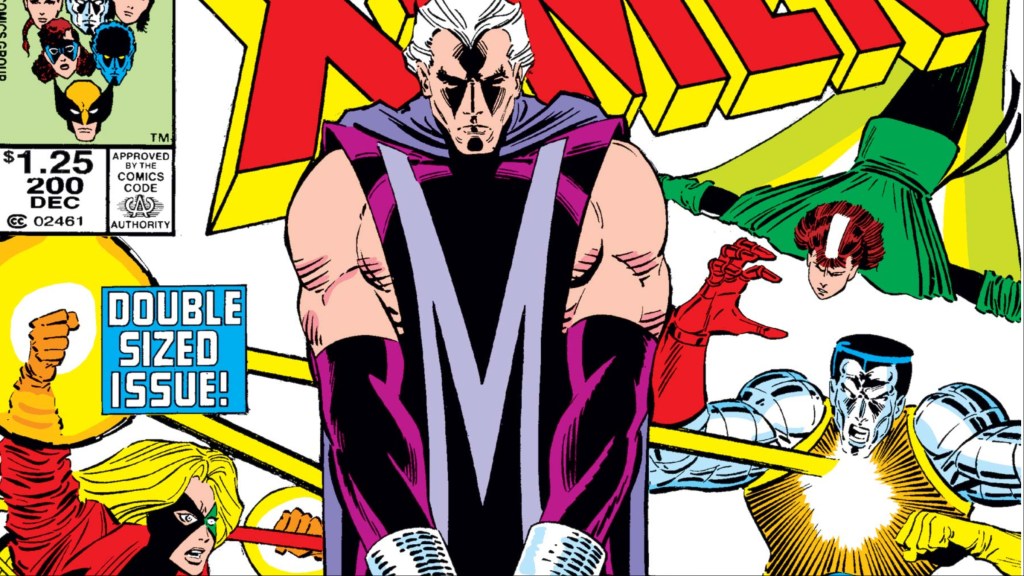
Uncanny X-Men #200 is easily the most important, and best, X-centennial ever. The reason is simple: it changed Magneto forever. Magneto had started out as a stereotypical Stan Lee villain, but Claremont changed all of that. He created the Holocaust origin, and made him more of a sympathetic villain, leading to this issue. “The Trial of Magneto” saw him allow himself to be put on trial for his crimes against humanity, as the Nazi mutants known as the Fenris Twins tried to attack the trial. The issue ended with him taking Xavier’s place as headmaster of the school. It was the first time Mags was a hero, and it changed the villain and the team he used to fight forever.
What’s your favorite X-Men centennial? Leave a comment in the comment section below and join the conversation on the ComicBook Forums!
Most Viewed
-

Image Courtesy of MAPPA