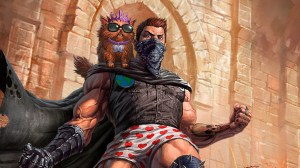
Role-playing games have always been a space where imagination runs wild. They allow players to step into new worlds, make impossible choices, and embody characters that could never exist anywhere else. While many RPGs focus on epic fantasy or grounded science fiction, others take a far stranger path. These games reject convention, challenge comfort, and often leave players uncertain about what they have just experienced.
Videos by ComicBook.com
What makes a weird RPG memorable is not shock value alone. It is commitment. The strangest role-playing games fully believe in their worlds, no matter how surreal, philosophical, or unsettling they may be. They invite players to engage with systems and stories that initially feel alien but become unforgettable over time. These are the five strangest RPGs that confuse, disturb, and ultimately inspire fierce devotion long after the credits roll.
5) Hylics
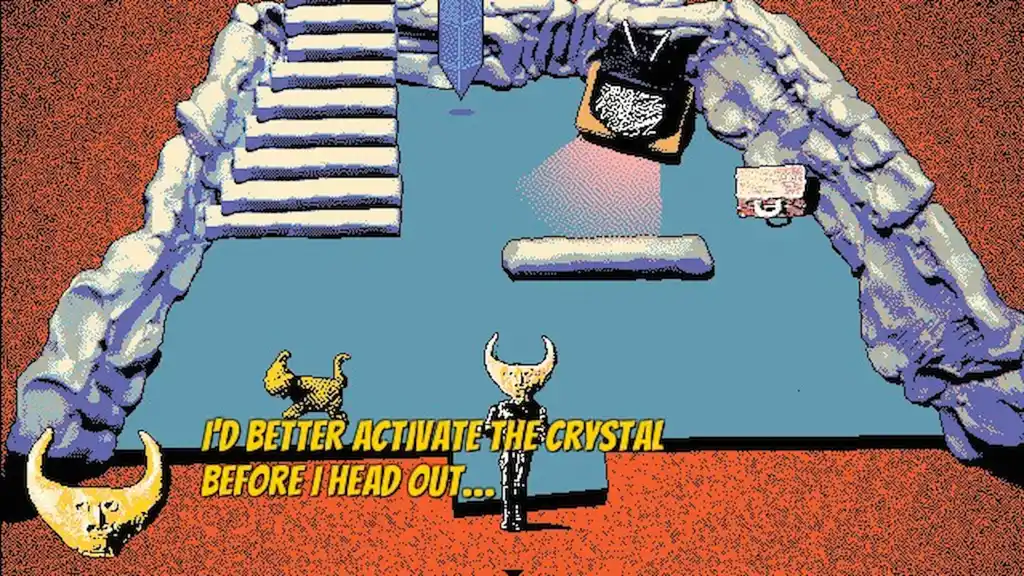
Hylics is weird in a way that feels deliberate. Released in 2015, this indie RPG looks like nothing else in the genre. Its claymation-inspired visuals feel handmade and unstable, as if the world itself might melt if you stare too long. Characters twist and stretch unnaturally, environments pulse with strange energy, and nothing feels grounded in reality.

The gameplay borrows loosely from classic turn-based RPGs, but even familiar mechanics are presented through a surreal lens. Attacks are bizarre actions rather than traditional spells or abilities, and the interface often feels intentionally opaque. Dialogue is equally strange, filled with abstract language that challenges straightforward interpretation. Players are rarely told what anything means, forcing them to accept confusion as part of the experience.
What makes Hylics beloved among fans is its total commitment to its vision. It does not try to explain itself or soften its edges. Instead, it invites players to explore a dreamlike world ruled by its own internal logic. Music plays a huge role, reinforcing the feeling that you are wandering through a living piece of art rather than a traditional game.
For players willing to forgo expectations, Hylics becomes mesmerizing. It is less about mastery and more about immersion, earning its reputation as one of the weirdest RPGs ever made. The sequel, Hylics 2, expands on this with a transition to 3D, bringing the clay models and animations to life. And somehow, this makes the game even weirder.
4) Planescape: Torment
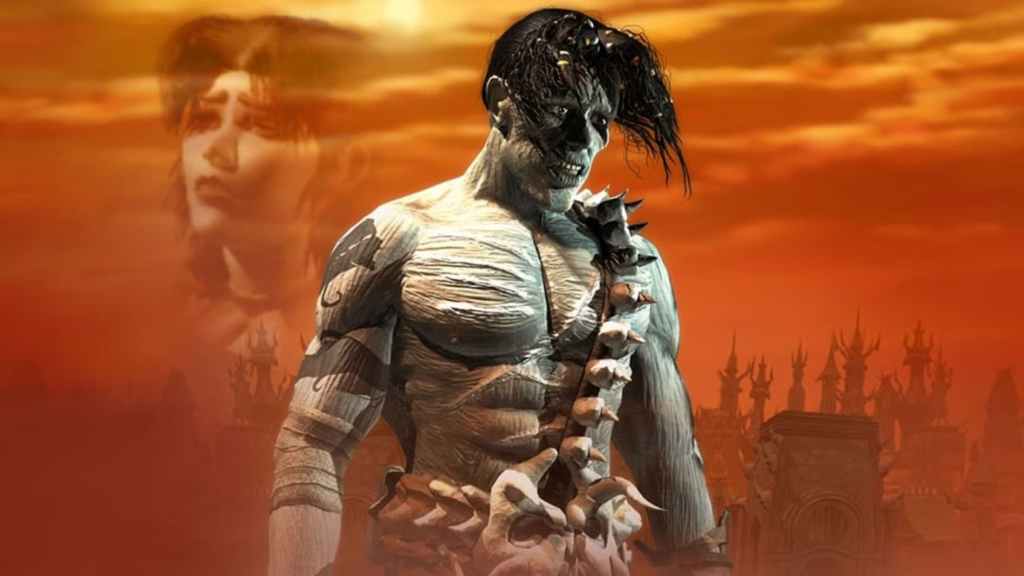
Planescape: Torment is strange not because of how it looks, but because of how it thinks. Set in the bizarre multiverse of Dungeons & Dragons’ Planescape, the game opens with the player waking up as an immortal man covered in scars, with no memory of who he is or why he cannot die. From that moment, the game becomes an existential journey rather than a heroic quest.
Combat exists, but it is rarely the focus. Instead, Planescape: Torment emphasizes dialogue, philosophy, and choice. Players spend much of their time talking to companions, enemies, and abstract entities about identity, regret, and the nature of existence. Entire quests can be resolved through conversation alone, often with consequences that feel deeply personal rather than mechanical.
The world itself is deeply strange. Sigil, the City of Doors, is a place where belief shapes reality and factions argue over the meaning of truth itself. Characters include floating skulls, living statues, and beings that defy conventional morality. Nothing fits neatly into fantasy archetypes that fans have come to expect from RPGs or Dungeons & Dragons.
Fans love Planescape: Torment because it treats role-playing as a vehicle for introspection. It asks difficult questions and trusts players to engage with them. Its weirdness lies in its refusal to simplify ideas, making it one of the most intellectually ambitious RPGs of all time. Few games have taken the same introspective approach and given it so much meaningful depth.
3) Moon
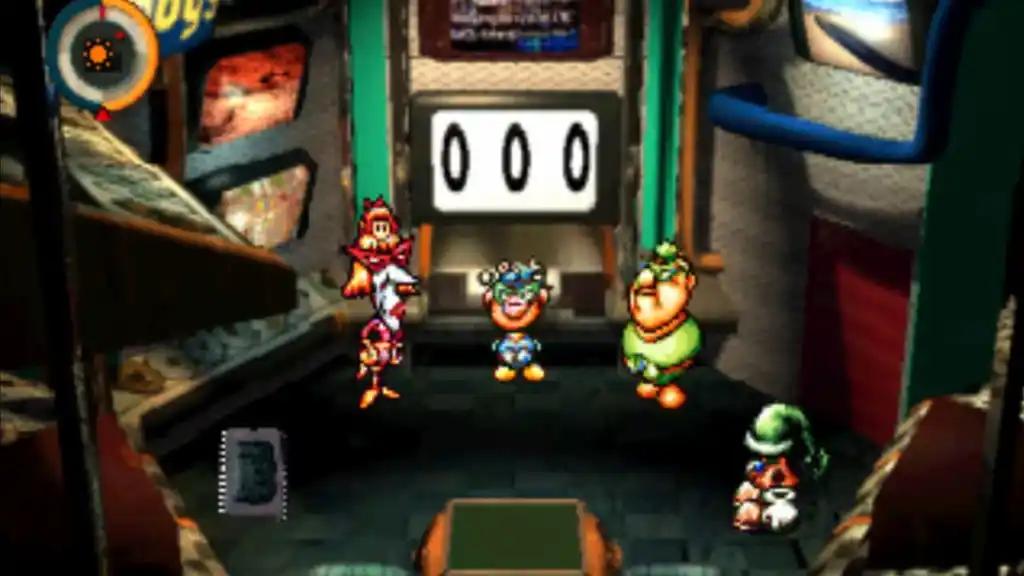
Released originally in 1997, Moon is weird because it actively rejects what RPGs were supposed to be. Instead of defeating monsters for experience, players heal the creatures harmed by a traditional hero who has gone on a mindless rampage. The goal is not power, but empathy. This idea has inspired beloved titles like Undertale and Stray Children and brings a unique perspective to gaming, challenging players’ conceptions.
Gameplay revolves around understanding the routines and emotional states of NPCs. Time progresses on a schedule, and players must learn when characters are vulnerable or in need. There is no conventional leveling system, no combat in the traditional sense, and no clear hand-holding. Progress is measured through emotional growth rather than numbers.
The world of Moon feels whimsical and melancholic at the same time. Music shifts unpredictably, characters behave strangely, and the tone oscillates between comedy and quiet sadness. It often feels like the game is gently scolding the player for years of RPG habits. To play Moon, you have to forget what you know about games and embrace something entirely new.
Fans love Moon because it deconstructs the genre while still embracing its heart. It questions why violence became normalized in RPGs and offers an alternative rooted in compassion. Its influence can be seen in later cult classics, but its strangeness remains uniquely its own.
2) The Elder Scrolls III: Morrowind
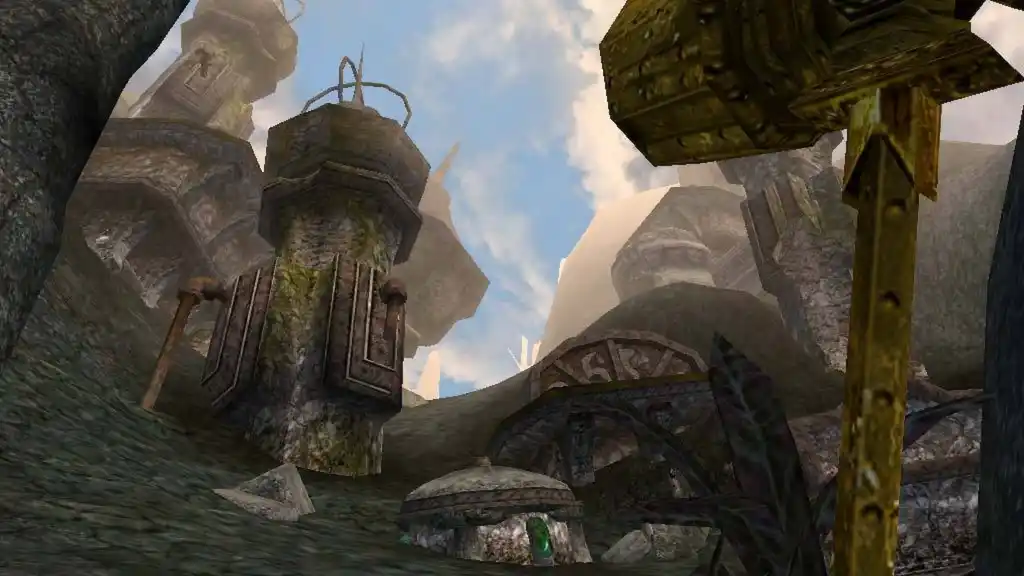
Morrowind is strange because it refuses to explain itself. Released in 2002, it drops players into an alien world filled with giant mushrooms, insect-like architecture, and cultures that feel utterly distinct from traditional fantasy. Nothing is designed for immediate comfort, and it stands out both visually and narratively from every other Elder Scrolls game.
The gameplay reinforces this disorientation. Early combat feels clumsy, navigation lacks guidance, and quest directions are often vague. Players must read, listen, and experiment. The world does not bend to accommodate newcomers. Instead, it demands patience and curiosity. You must immerse yourself in the world if you are to survive and succeed in your goals. The Boots of Blinding Speed, a magical item that grants incredible speeds but leaves you blind, are one example of accepting the weirdness of the world.
Narratively, Morrowind is equally unconventional. The main story is steeped in prophecy, political tension, and unreliable narrators. Truth is subjective, and players are encouraged to question everything they are told. Lore is dense and often contradictory, creating a sense of depth rarely matched since. Because of this, it is hard to know exactly what is going on in Morrowind, and players are often left to form their own conclusions.
Fans adore Morrowind because its weirdness creates immersion. The alien nature of the world makes discovery feel earned. Mastery comes slowly, but it feels meaningful. Even decades later, many consider it the most memorable entry in the series precisely because it dared to be strange. Since its release, The Elder Scrolls has grown less experimental and become safer. But fans of weird still love the world of Morrowind today.
1) Earthbound
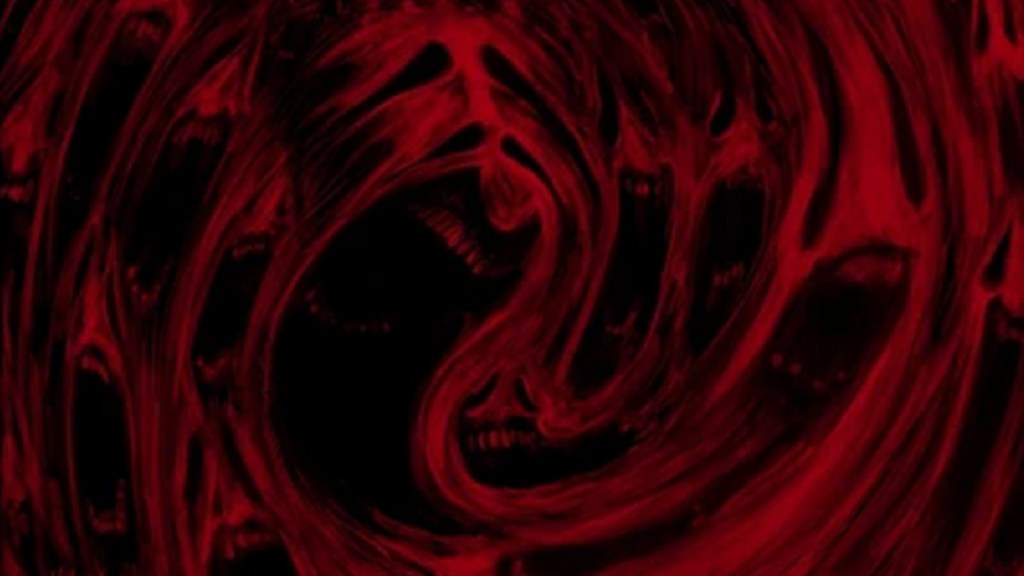
Earthbound remains the gold standard for weird RPGs because it disguises its strangeness behind familiarity. On the surface, it looks like a colorful, modern-day adventure starring children. Beneath that surface lies a surreal, unsettling, and deeply emotional experience. An experience that haunts fans today and was the main inspiration for games like Undertale, Lisa: The Painful, and more.
Combat uses traditional turn-based mechanics, but enemies include possessed traffic signs, abstract nightmares, and cosmic horrors. Locations feel recognizable yet distorted, blending suburban life with dream logic. Humor is constant, but it often gives way to moments of genuine discomfort. At a glance, you might miss the dark undertones of Earthbound that are at the heart of the experience.
The story gradually shifts from quirky comedy to existential horror, culminating in a final confrontation that is as disturbing as it is unforgettable. Themes of childhood, fear, and loss are explored in subtle ways that resonate long after the game ends. Few bosses in gaming have had the effect that Giygas has had on players, and this is a testament to the weird lore of the games.
Fans love Earthbound because it feels personal. Its weirdness is not random. It reflects how the world feels through a child’s eyes, where ordinary things can become terrifying and small moments carry immense weight. Few RPGs have ever balanced humor and horror so gracefully, securing Earthbound’s place as the weirdest and most beloved RPG of all time, even if Nintendo refuses to honor it.
What do you think? Leave a comment below and join the conversation now in the ComicBook Forum!
Most Viewed
-
Courtesy of Lionhead Studios -

Image via Prime Video -

Courtesy of Toei Animation