Fallout is one of the biggest titles under the Bethesda — and by extension, Xbox — umbrella. The post-apocalyptic RPG is filled to the brim with characters, horror, and action, with the mainline games achieving a level of notoriety in the gamer community that few other titles can match. Each entry has been a success for the developer, with Fallout 4 becoming a truly massive hit when it launched in 2015. As such, it makes sense that Bethesda’s studio would want to find a way to capitalize on the game’s popularity, especially in light of the successful TV adaptation for Prime Video getting more eyes on it than ever.
Videos by ComicBook.com
Despite all that popularity and acclaim, however, Fallout hasn’t gotten too many releases over the years. The series hasn’t had a new mainline game since 2018, although Fallout ’76 has managed to stay relevant in the modern online space thanks to regular updates. While this has helped keep the series from becoming oversaturated in the marketplace and reduced the chances of weaker titles diluting the brand, it has also meant that entire decades can go by before new entries in the series are released. Reporting suggests that Xbox is keen on getting the series pumping out more titles on a more regular pace, but that comes with some serious risks that could undermine the success and legacy of the entire series.
There Can Be Too Much Of A Good Thing

While many of the studios underneath the Xbox umbrella are facing potential closures or confirmed cancellations, Fallout is among the franchises getting a push from new leadership at Microsoft’s gaming department. There hasn’t been an entirely new mainline Fallout game since 2018’s Fallout ’76, which is still going strong. However, for all the fun that online multiplayer game is, it’s still a far cry from the Fallout 5 that fans have been awaiting. Even if fans don’t get a new mainline game anytime soon, though, there’s always the chance that Microsoft could recruit other studios to develop remakes or spin-offs. While outlets such as IGN have been reporting that Microsoft wants to push out more Fallout games, that also comes with some real potential problems for the longevity of the brand.
According to Skyrim lead designer Bruce Nesmith during an interview with FRVR, the inherent risk of an increased release schedule is “quality, reduced features, polish, or bugs. The things that are done last end up getting set aside to complete the game on time. And of course faster dev times would result in faster sequels.” Nesmith specifically notes that the result could be sequels that “risk disappointing fans.” In the modern media landscape, there are plenty of examples of franchise fatigue that have seen successful series quickly squander their success by releasing too much too quickly.
That approach has been cited as what dealt a major blow to franchises like the Marvel Cinematic Universe and Star Wars, which quickly flooded the market with new entries that, as they failed to garner excitement from fans, only further deluded the brand. While branching out to other studios under the Xbox banner might be able to get more games turned around quickly — and could help keep some of the studios in the brand from closing — it could also very quickly create games that don’t feel like the kind of Fallout that fans want.
Why Bethesda Needs To Be Careful With Fallout
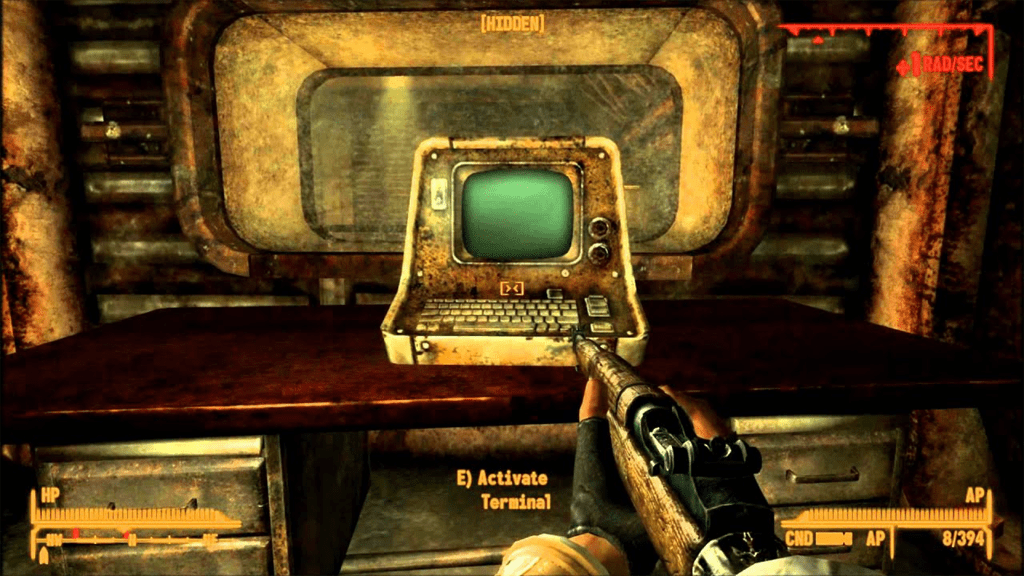
Fallout is one of those rare video game franchises that has earned its place in the larger legacy of the industry. The mainline entries have been few and far between, but all of them have also been ambitious and deeply impressive in their scope and style. The worlds of Fallout games are vivid and thought-out, with countless paths for players to take as they explore the wastelands. Rushing a Fallout game could be even worse than not releasing one, as it could undercut that natural excitement that comes from a series that is so revered and respected by the fandom. Diluting that brand with subpar releases could hurt expectations for the rest of the series and undercut any excitement that is spurred on by future mainline games.
A blow to the brand could even have impacts across mediums, with a lackluster game impacting how audiences see the TV adaptation. It could turn one of Bethesda’s most iconic franchises into just another annual series akin to Call of Duty, which has seen dwindling sales and lackluster fan reception. Fallout has endured largely because each entry has felt truly massive, even as it never loses sight of the personal agency that the player gets to bring to the experience. Rushing that or overloading fans with those games could leave them feeling same-y, quickly. While I want more Fallout games as much as any other fan, I’d prefer to have the long wait in-between generational games versus a deluge of tangentially connected games that are technically Fallout titles.
More Gaming
-

Courtesy of Embark Studios -

Image Courtesy of Sony Interactive Entertainment