The original Dark Souls is revered among action RPG fans for good reason, as it can be credited with popularizing FromSoftware’s ideas of exploration, difficulty, and fantasy world building. From an intricate, interconnected world map where areas seamlessly flow into one another to crunchy combat systems that demand an acute understanding of its mechanics, Dark Souls is nostalgic in many ways. Yet, as the game turns 15 years old in 2026, it serves as a reminder that its experience is singular.
Videos by ComicBook.com
The evolution of Dark Souls is well documented, with changes seen in Dark Souls 3, Bloodborne, and Elden Ring showing how the series has expanded since its roots. However, as FromSoft’s action RPGs have expanded into more combat-focused or open world titles, Dark Souls still remains something quite different. This mostly boils down to mechanics, with Dark Souls having unique restrictions that create a much harder game than players could imagine.
The Original Dark Souls’ Combat & Gameplay Is Timeless Despite Its Age
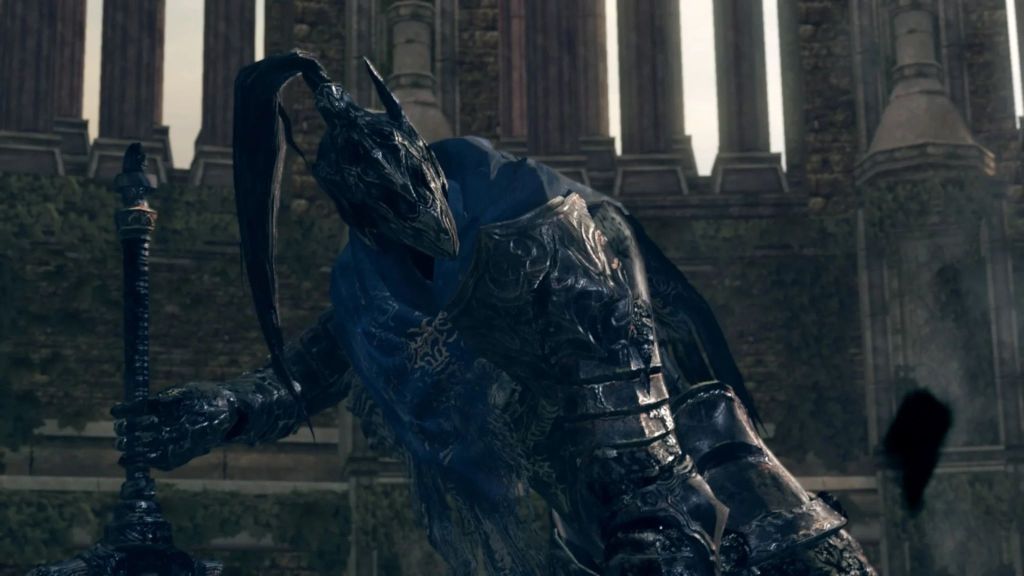
The age of the original Dark Souls begs the question — why shouldn’t it get a full remake or high-quality remaster similar to Demon’s Souls for PlayStation 5? Although the existence of Dark Souls: Remastered does correct some of the bugs of the original title, it is far from a game with massive updates to the original material. That being said, Dark Souls isn’t a game that I personally think should be remade at all, as its gameplay identity is rooted throughout all its systems.
Unlike future Dark Souls installments, the first game’s combat is incredibly limited and rigid by comparison. This is intentional, forcing you to mater timing for movement, attacks, spells, and any individual action with far more precision than Dark Souls 3 or Elden Ring ever demand. This adds a natural layer of difficulty, with punishing consequences for failure. For example, drinking a healing Estus Flask in Dark Souls prevents your character from dodge rolling, as they have to sit and complete the “drinking” animation to restore any health.
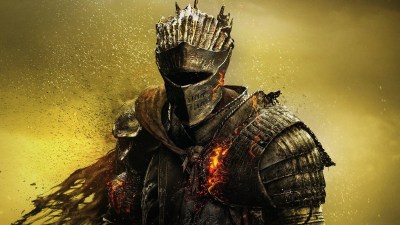
To continue with this example, this animation leaves you extremely vulnerable to enemy attacks. Due to this, you have to pick and choose the perfect time to heal, forcing you to manage Stamina to run or roll until you have a safe opportunity to drink. This approach is present throughout Dark Souls‘ combat, with environmental factors and enemy behaviors having their own rules you almost have to learn. The uncompromising nature of these systems extends to other concepts, such as Poise or limited Spell Charges for particular magic.
Other features like your character’s stats and weight in Dark Souls are similar, but harder to work around compared to later games. For lack of a better term, the original Dark Souls is strict, with its gameplay having clear definition and very little room for loopholes. The heavy feel of every action your character takes gives a heavy feeling to every swing of a sword, consumption of an item, or casting of magic. This connective tissue seen in Dark Souls might frustrate some players, but many can agree that it is unlike any modern action RPG.
Remastering Dark Souls To Be More Like Dark Souls 3 Or Elden Ring Would Be A Misstep
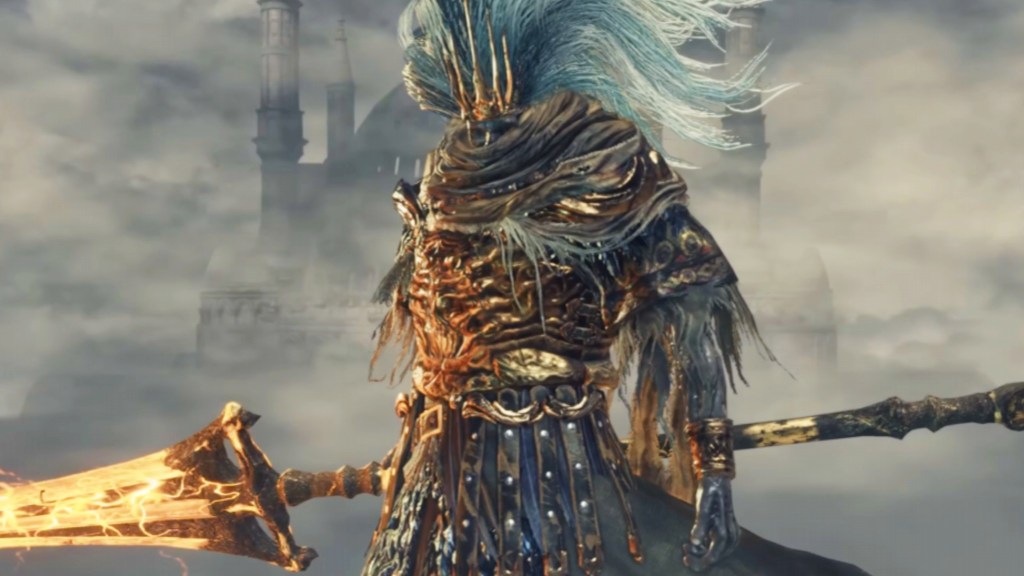
Remaking Dark Souls in any way would undoubtedly upgrade the original game’s graphics, making iconic bosses, locations, and effects look 10x better with modern technology. However, doing so could also cause a lot of other parts of Dark Souls‘ gameplay to likely be lost in translation. To steer away from the toughest Soulslike games out there, any Dark Souls proper remake or remaster might remove the limitations that made the game unique.
The “smoother” combat of Elden Ring or Dark Souls 3 feels amazing in those games, but in Dark Souls, those systems have a high chance of devaluing the challenge of the older title. As an example, having wider invincibility frames on dodges causes the boss fight of Ornstein and Smough to be far easier, taking away a challenge that has been revered in fans’ minds for nearly two decades. Similarly, being able to move while drinking Estus, fewer penalties on harmful conditions, or other restrictions getting removed would dull the experience.
In my opinion, I believe that the intention of the original game cannot be replicated through a remaster or remake that inevitably changes too much. Despite the benefits some quality-of-life changes could bring, Dark Souls‘ identity is easy to lose if you alter aspects of the game too much, cementing it further as a masterpiece that might remain better as is.
What are your thoughts on a potential full-scale remaster or remake of Dark Souls? Leave a comment below or join the conversation in the ComicBook Forum!
More Gaming
-

Image Courtesy of Sony Interactive Entertainment -

Courtesy of Rockstar Games -

Image Courtesy of Remedy Entertainment