As with all forms of media, gaming goes through ebbs and flows of popular style. As the medium evolves and new icons replace old standards, different gameplay styles can settle in and become the dominant expression of the industry. Looking back even just two decades at the state of gaming, it’s clear just how much the industry has evolved. In previous eras, it was the cartoon mascot that defined a console, rather than the expansive, immersive realms of modern AAA gaming.
Videos by ComicBook.com
Take, for example, the success of Daxter. Debuting on the PlayStation Portable as a spin-off for the then-completed Jak and Daxter trilogy for the PlayStation 2, Daxter filled in the gaps of the original storyline with a well-executed platformer adventure focusing on the franchise’s goofy sidekick. It was just the latest cartoonish adventure to succeed in an era where that kind of character was considered the most bankable fixture in the industry. Two decades after it debuted, it’s worth looking back at Daxter and how that success speaks to the ways mainstream gaming has changed.
Daxter Got His Own Spin-Off For The PSP
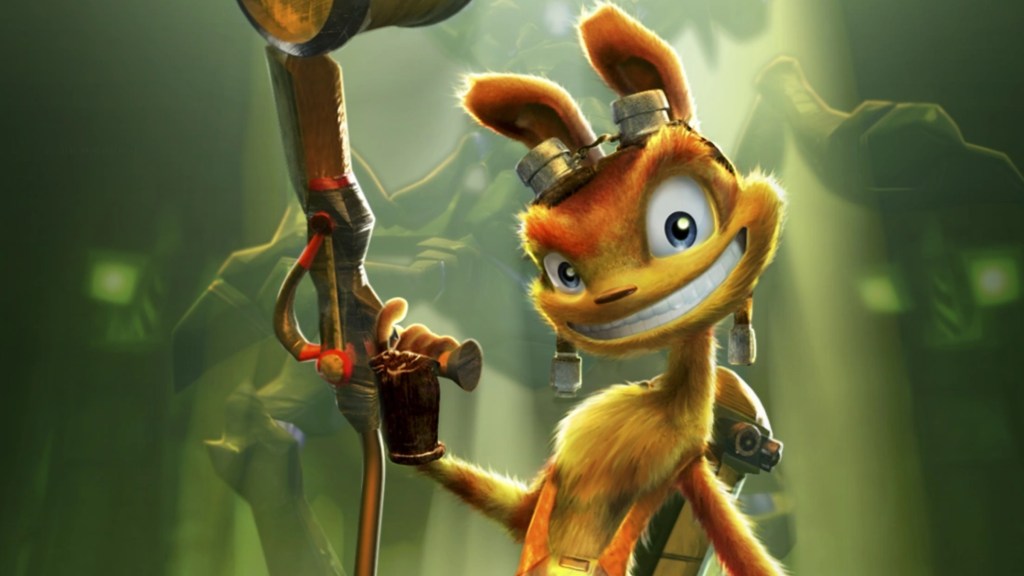
Debuting March 14, 2006, Daxter was a surprising attempt to carry on one of Sony’s biggest PS2 era franchises that highlights a surprisingly untapped avenue for sequels and spin-offs. Developed by Ready at Dawn instead of the creators of Jak and Daxter, Naughty Dog, Daxter serves as an interquel between the events of Jak and Daxter: The Precursor Legacy and Jak II. The game is set shortly before the events of Jak II, focusing on Daxter as he balances his job working for a Metal Bug exterminator. Released for the PSP, Daxter benefited from a slightly simplified but tightly designed approach to the platforming/action gameplay that had otherwise defined the series.
Playing as Daxter, players explored Haven City, disposed of Metal Heads, and searched for clues about Jak. While it wasn’t anything revolutionary, it was executed well. The adventure game was often cited by critics as one of the better games released for the PSP, with the title earning a cumulative review score of 85/100. The game even sold over 2.3 million copies within two years of release, making it the 10th most successful game for the handheld platform. The game eventually made it to consoles in 2024, when it was rereleased for the PS4 and PS5. That decision makes sense, given the strength of the game design and the nostalgia surrounding the franchise, which remains a perennial fan favorite twenty-five years after it debuted.
Daxter Is The Kind Of Spin-Off Gamers Don’t Usually Get Anymore
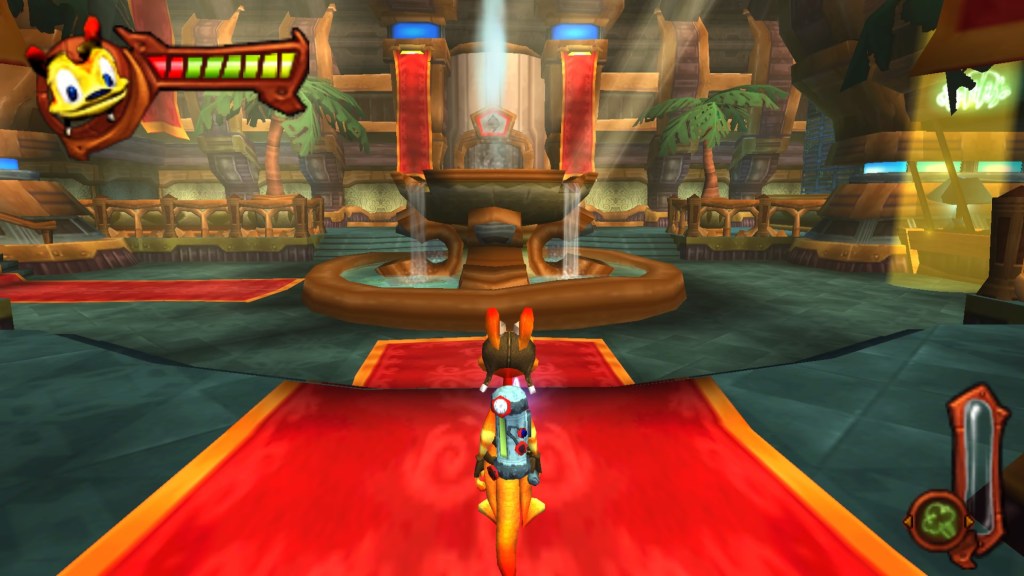
Daxter came out at a unique time in gaming, where mascot characters were one of the primary sources of franchises. While mainstream shooters like Halo and crime epics like Grand Theft Auto were picking up steam, there was still an undeniable place in the gaming ecosystem for goofy mascot characters who fused platforming adventures with action gameplay. This was an era where those kinds of games were able to sell well enough and perform well enough with critics that they could justify overarching narratives and expansive spin-offs. Those kinds of platformers are a rarity in today’s gaming space, where the medium has been increasingly dominated by shooters like Fortnite, Overwatch, and Marvel Rivals.
As a result, Daxter is more than just a nostalgic favorite for gamers of a certain age. Daxter is indicative of a gaming era that simply doesn’t exist like it did in the past. While there may be retro titles that bring back classic platformers or enduring publishers like Nintendo that keep the spirit of those games alive with their franchises, Daxter was the kind of game that could only really thrive in an era of platforming mascots. Alongside Jak and Daxter, there were the likes of Ratchet and Clank, Spyro, and Crash Bandicoot. Great games like Psychonauts put their own spin on that style of game. This was an era where handheld spin-offs starring the wacky sidekick could still move millions of copies.
It wouldn’t be long before the medium shifted. Naughty Dog would subsequently shift to the more cinematic adventures of Nathan Drake, highlighting the medium’s shift more towards cinematic spectacle over whimsical settings. The Xbox had failed to turn Blinx the Time Sweeper into a mascot, but they’d have far more success in 2006 with Marcus Fenix and the gritty bloodshed of Gears of War. Grand Theft Auto continued to become a dominant force in gaming, supplanting the older, more cartoonish characters. Interestingly enough, the modern era feels like a synthesis of the two, with a focus on gunplay amid more cartoonish presentations. Daxter is the kind of game that could only come out and succeed at that very specific time in gaming history, and it speaks to a style of game that simply isn’t at the forefront of the medium anymore.
Most Viewed
-

Image courtesy of Marvel Studios -

Image Courtesy of MAPPA