Rockstar Games finally confirmed the price for Grand Theft Auto 6, and the internet reacted as expected. $79.99 for the standard edition was expected, yet some players were still outraged, while others merely shrugged. The result is that many accepted this is the future of gaming and we can expect more games to start pricing at this level, something Nintendo has already done. We’ve continually seen the increase in prices across the gaming industry, so this is no surprise. However, there is another issue that is getting buried under this price tag.
Videos by ComicBook.com
The real concern is what GTA 6 represents for the future of game ownership. Rockstar has confirmed that physical copies of GTA 6 sold at retailers will not include a game disc, instead containing only a download code for a digital version of the game. That decision may ultimately prove far more influential than the game’s $80 price tag. For decades, players have purchased physical games expecting ownership, preservation, and resale value. If the biggest entertainment launch in gaming history successfully transitions consumers toward a digital-only model, the rest of the industry will almost certainly follow.
GTA 6‘s Decision to Forego a Physical Disc Could Change Gaming Forever

Rockstar’s decision to ship physical boxes containing only download codes has sparked immediate controversy among collectors and physical media advocates. According to Rockstar’s confirmed preorder details, players purchasing boxed versions of GTA 6 will not receive a disc for either PlayStation 5 or Xbox Series X. Instead, those packages will function primarily as a means to have Grand Theft Auto 6 on the shelf in retailers’ stores.
For longtime gamers, this represents a dramatic shift in what buying a video game actually means. I still remember picking up midnight releases during the Xbox 360 and PlayStation 3 eras, opening the case on the ride home, reading the manual, and knowing that the disc inside was something I could own forever, or trade. Whether I replayed the game years later, lent it to a friend, or sold it to help fund my next purchase, that physical product had value beyond simply granting access to software. It also meant I didn’t have to wait for a lengthy download when I got home.
Rockstar’s reasoning may involve preventing leaks, simplifying distribution, or adapting to an increasingly digital marketplace. Yet regardless of the motivation, GTA 6 marks perhaps the most significant franchise ever to abandon traditional physical media at launch. Considering that Grand Theft Auto V has sold more than 230 million copies worldwide, the impact of this decision cannot be overstated. If GTA 6 is successful, and all signs point to it being so, this may be the new norm.
Other Developers Will Almost Certainly Follow Rockstar’s Lead
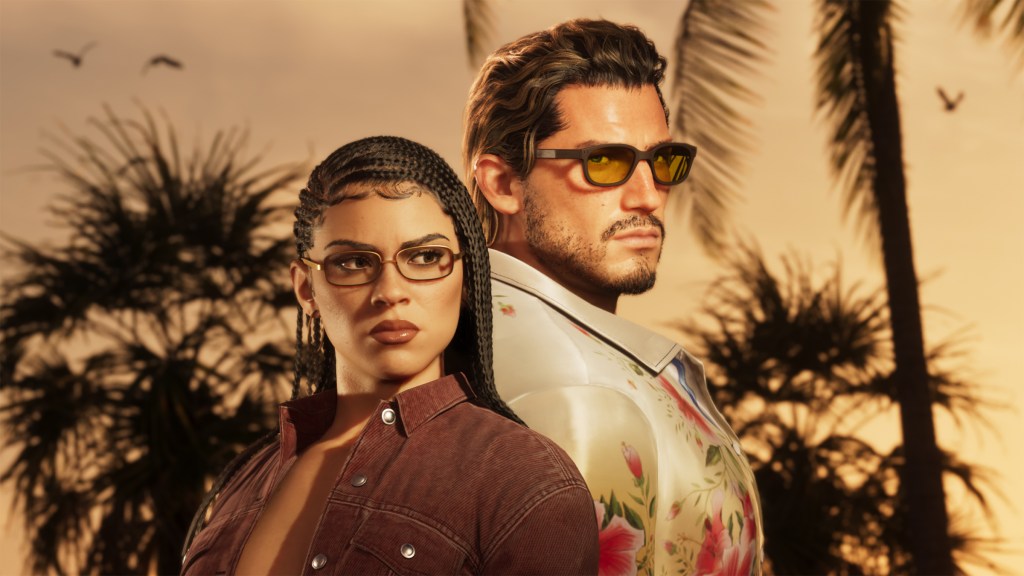
The gaming industry has always been dominated by AAA releases, and GTA 6 is without a doubt the largest in recent history. These often establish trends that other developers follow and cash in on. When publishers adopted season passes, battle passes, premium editions, and $70 pricing models, much of the industry eventually followed. There is already widespread expectation that the confirmed $79.99 price point for GTA 6 will encourage other publishers to explore similar pricing strategies for their own premium releases.
However, the greater long-term concern may be the normalization of code-in-a-box releases. If consumers overwhelmingly purchase GTA 6 despite the absence of a physical disc, publishers will have concrete evidence that traditional physical media is no longer necessary, even for major releases. Companies constantly seek ways to reduce manufacturing, shipping, and distribution costs, and eliminating discs presents an obvious financial advantage.
We’ve already spent years moving steadily toward a digital-only future. PC gaming largely completed this transition years ago through platforms like Steam. Console gaming has resisted that shift longer due to collector culture and retail partnerships, but those barriers continue to weaken. If GTA 6, arguably the biggest entertainment release of the decade, successfully proves that consumers will accept download codes in physical boxes, many publishers may see little reason to continue producing traditional physical copies at all.
The Future of Game Ownership May Depend on What Happens With GTA 6

The decline of physical media raises questions that extend far beyond nostalgia and collector items. Physical ownership has always provided consumers with options. Players could lend games, sell them, or revisit them years after release without depending on online storefronts or account authentication systems. Digital ownership changes that relationship fundamentally and even threatens it.
Preservation advocates have raised concerns for years about what happens when digital storefronts shut down or licensing agreements expire. The video game industry already has numerous examples of delisted games becoming difficult or impossible to purchase legally. While major titles like GTA 6 will likely remain available for years, the point remains. When consumers purchase only digital licenses, their long-term access depends entirely on corporate decisions, and players have no say.
None of this means that digital gaming itself is inherently bad. Digital libraries offer convenience, accessibility, and immediate access that physical media cannot always match. But GTA 6 represents a turning point because of its scale and influence, as it could see players no longer have an option. The debate surrounding its $80 price may dominate headlines today, but years from now, we may look back and realize that the game’s most important legacy was not raising prices. It was convincing millions of players that owning a box without a disc was good enough.
What do you think? Leave a comment below and join the conversation now in the ComicBook Forum!
More Gaming
-
Image Courtesy of Electronic Arts -

Courtesy of Blizzard