When it debuted, Halo became a defining game for the Xbox, with the multiplayer adding a lot of playtime to the game. Beyond the split-screen gameplay that was the norm of the time, Halo 2 caused a massive upswing in online gameplay, almost single-handedly turning Xbox Live into a key feature of the console. The depth of multiplayer options in the Halo games was all built upon the foundation of the FPS genre that had been codified by earlier hits. For a generation of gamers, Halo multiplayer is a foundational experience. Even now, years later, titles like The Master Chief Collection accrue consistent (if small) player bases.
Videos by ComicBook.com
Despite that brand recognition, however, Microsoft has largely left the Halo series to rest. The most recent original game in the series was 2021’s Halo: Infinite (which attracted upwards of 20 million players at its height), while the PS5 remake of Halo: Campaign Evolved pushed the series into new territory on the Sony platform. Microsoft seems intent on reinventing Halo going forward, experimenting with different styles of shooters to breathe new life into the property. The problem is that this approach hasn’t actually delivered on any of its potential and is keeping the series from doing what it does best.
Halo Reportedly Keeps Trying To Replicate Modern Successes
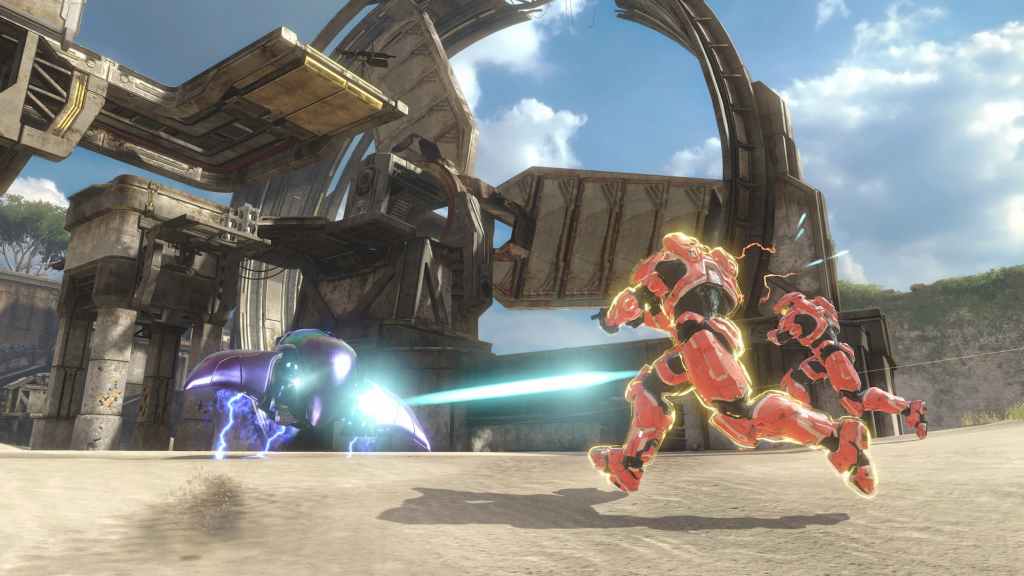
For the last few years, Halo Studios has been hard at work figuring out a new approach to the franchise. Unfortunately, the problem seems to stem from an ever-changing marketplace and what players want, leaving the studio scrambling to fit Halo into established directions. While Halo Studios hasn’t confirmed any of its in-development projects, recent reporting from Reb Gaming suggests that the team has been experimenting with some key gameplay mechanics.
This includes the game reportedly codenamed as “Project: Tatanka,” which would have supposedly featured a “battle royale” style shooter similar to Fortnite or PUBG. The game would introduce larger maps based on fan-favorite locations like Blood Gulch, with players brought into the arena by drop pods at the beginning of each round. The game reportedly made it as far as internal testing. As development continued, however, Rebs’ report suggests that the gameplay became way too cluttered and, by 2023, had been cancelled so the team could pivot towards the development of the next mainline Halo game.
The remnants of the project were also reportedly tweaked into a title codenamed “Project: Ecker,” which is rumored to be a Halo approach to the PVE extraction shooter. Even if neither game ever sees the light of day, it’s odd to imagine such a broad reinvention of what the Halo series has always been that these two proposals represented. In fact, both approaches highlight a problem with trying to reinvent a franchise like Halo, especially given the legacy it has developed.
Halo Shouldn’t Be Afraid To Just Be Halo
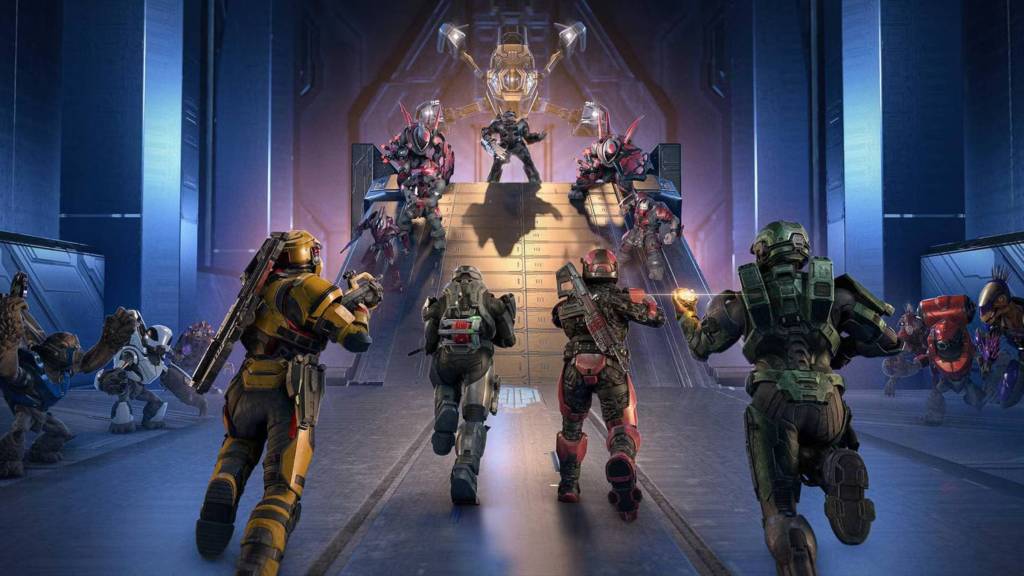
Halo is one of those games that eventually became so big that it could arguably define its entire genre. The FPS wasn’t reinvented by Halo on a mechanical level, but the sheer popularity of the genre — already a popular one for PC — exploded with local multiplayer and online play on consoles. While the deathmatches of Halo may be straightforward, they left plenty of room for experimentation in later multiplayer lobbies. Just look at the “Gauntlet” mode that was recently added to the game, pitting teams of players against increasingly destructive waves of enemies.
That mode takes inspiration from other modern gaming trends, such as randomized weapons and a potentially limitless gameplay cycle. However, it still feels undeniably attuned to Halo’s traditional approach to run-and-gun gameplay, which helps it feel unique compared to the various shooters that now dominate the market. The mode is already very popular with the Halo playerbase, bringing plenty of players back to Halo: Infinite and reinforcing the idea that the series still has plenty of life in it.
The lesson that Halo Studios needs to learn, both from the success of “Gauntlet” as well as the struggles that it faced in its efforts to reinvent the game as a new kind of shooter, is that players still want to play Halo. New rule modifiers, fresh maps, and tweaked weapons aside, there’s no reason Halo multiplayer options can’t be as widespread as with other franchises like Call of Duty. It can take influence from modern trends without being beholden to them. A modern Halo game that returns to the roots of the series could be exactly what Halo Studios is looking for, especially if the Halo remake opens the door for crossplay options in the future. Players still love Halo — and it’s better to refine what makes the series popular instead of trying to chase trends.
More Gaming
-

Save on dozens of games across Nintendo's biggest franchises, including Mario, Zelda, Metroid, and more. -

Paramount – Legendary Pictures -

Courtesy of South Park Studios / Rockstar Games