Extended gameplay for the reboot of Fable shows just how dense this RPG is going to be when it eventually releases in 2027. From fluid combat systems to significant choices behind quests, players have a lot of freedom to shape their own adventure based on their decisions. One consequence of your actions in Fable is your overall Reputation in a certain region, which influences how other characters perceive you alongside their community.
Videos by ComicBook.com
Reputation is by far Fable‘s most ambitious system, meant to reflect the relationship your Hero character has with nearly NPC in the game. Games where choices matter most can be some of the most exciting, as it ensures that almost no two playthroughs are alike. This level of personalization in crafting your own story is shown briefly in Fable‘s extended gameplay, showing how, when, and why Reputation matters as you embark on a long journey.
Fable Records Each Of Your Character’s Action As They Build A Reputation In Certain Areas
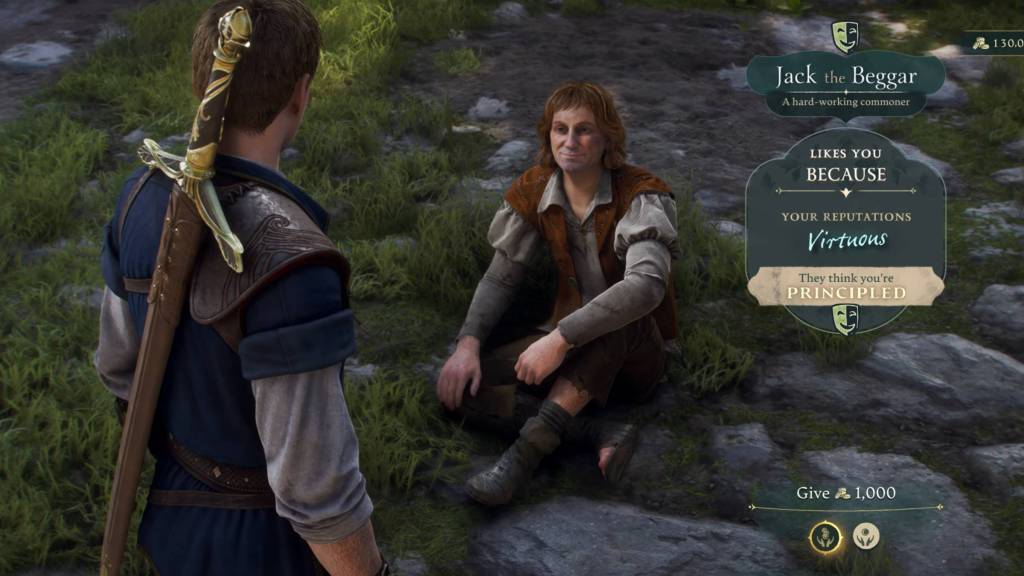
Unlike some other RPGs, Fable records even the smallest of your actions into your Reputation, or overall status that characters or settlements use to view you. For example, taking out a guard in a city can label your Reputation there as a “Killer,” instantly attracting attention from the law if you return to that region without a disguise. On the other hand, some regions could view you as “Merciful” for sparing someone’s life during a quest, while others could simply see you as “Rich” for wearing expensive clothes in the region’s streets.
The Reputation you build doesn’t just come from the result of completed quests or branching dialogue either. While an important choice from missions can influence your Reputation, it is also determined by how you conduct yourself normally while visiting an area with a lot of people. One player could earn a “Reckless” Reputation for simply firing an arrow into a tavern wall, either closing or opening some opportunities due to that label being applied to them.

Although one of the original Fable‘s best features of giving you a halo or horns for a “good” or “evil” Reputation isn’t returning, there is plenty of nuance in the positions you could get. Throughout the gameplay shown for the game, we can see the Hero character gaining small boosts to “Landlord,” “Shrewd,” “Charming,” and even “Heartless” Reputations. This suggests that there are tons of different Reputation modifiers, with each influenced by the daily actions your character chooses throughout their travels.
Relationships With NPCs Grow Or Decline Based On How You Interact With Them
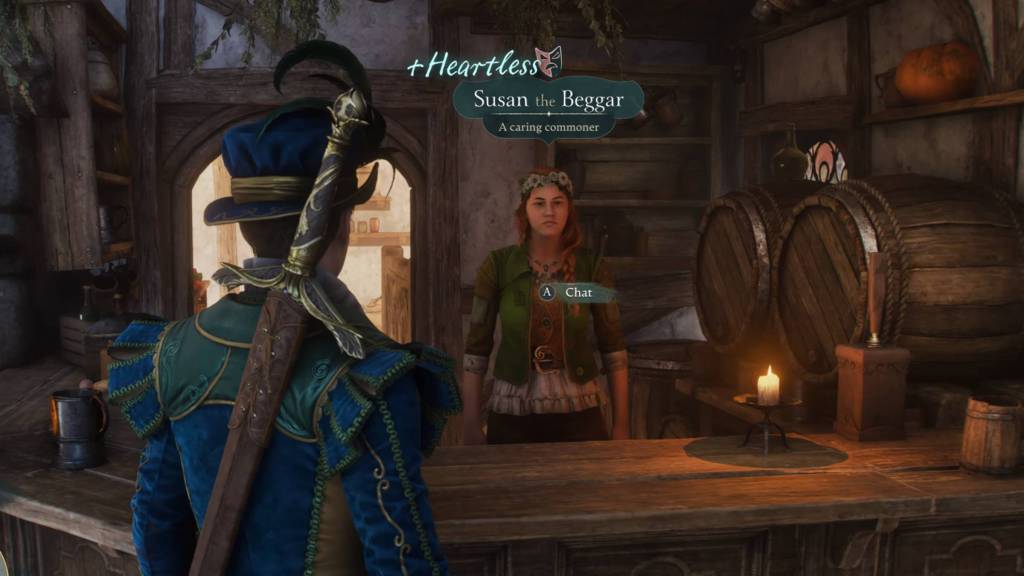
Reputation is not a system that only affects your character’s relationship with a region, as it is used far more when interacting with NPCs. Going up to any character who you can talk with in Fable shows how they view you, with certain bits of dialogue opening up if you have a certain Reputation one way or another. For example, you might get special discounts from a merchant character if they view you as “Shrewd” or “Savvy” based on your prior actions.
Whenever you go up to someone, you’ll be able to tell immediately if they like you or not, along with your individual Reputation with them and what they think about you. Characters who like you are more likely to provide different gameplay benefits, while those who don’t might reach a point where they become openly hostile whenever they see you. It’s hard to understand the depth of Fable‘s NPC Reputation mechanics just off a handful of gameplay moments, but it’s safe to assume that this feature drives most relationships.
Real Consequences From Certain Choices Influence Many Different Parts Of Your Journey

The fact that your Reputation is visible constantly during conversations will keep you constantly thinking how your status might change based on your actions. This amount of clarity will no doubt influence players to make deliberate choices based on what Reputation they gain, in order to manipulate how positively or negatively they are viewed by certain characters or places. When you throw ideas of character romance into the mix, Reputation is one of the most valuable systems to keep track of in Fable.

There is a far greater emphasis on morally gray choices in this Fable reboot, rather than the binary morality system of the past that was closer to Star Wars: Knights of the Old Republic. The constant push and pull of Reputation with different characters could cause players to make sacrifices, pursuing one goal to increase their Reputation with one person even if it lowers it with someone else. Although you can reset your Reputation entirely with enough money, your journey will largely be determined by how well you balance an ever-shifting Reputation.
Being able to view your Reputation in a settlement or with individual characters creates a system you’ll constantly be playing with to change your adventure. For that alone, this reworked feature of actions and consequences in Fable might be one of the game’s most engaging, from the moment you start to when the credits roll.
What do you think of the Fable reboot’s Reputation system? Leave a comment below or join the conversation in the ComicBook Forum!
More Gaming
-

Image Courtesy of AdHoc Studio -

Courtesy of IllFonic