The Legend of Zelda franchise has a surprisingly complicated timeline, which was only streamlined by Breath of the Wild in a way that raised even more questions. The Hyrule of The Legend of Zelda has been depicted in several forms over the years, which raised questions among fans over how the series’ continuity worked. Some games seemed to directly reference one another, while others were off in their own little worlds.
Videos by ComicBook.com
Even the release of a formal timeline didn’t smooth over all the questions, as the decision to explain away the discrepancies by establishing three different timelines only raised further complications. Breath of the Wild tried to resolve this by uniting the branching timelines into a new shared universe. However, in the process, the modern Legend of Zelda games have complicated matters further.
Breath Of The Wild Brought Together The Zelda Timelines

Breath of the Wild‘s massive time skip is one of the most ambitious ways that The Legend of Zelda could have resolved the franchise’s long-standing questions about the continuity of the series — but it also raised plenty of fresh questions about the past (and future) of the series. Within The Legend of Zelda canon, the complicated and contradictory timeline was cleaned up by the Hyrule Historia. The official tie-in book included an updated timeline that revealed the events of Ocarina of Time splintered reality into three distinct timelines. Each of these explained the wildly different versions of Hyrule that appeared across the series.
Other games, like Skyward Sword, became a shared history between all the games. However, future games and their placement on the timeline were seemingly going to be left to the imagination of the developers. However, Breath of the Wild surprised fans in 2017 by taking place in a distant future, thousands of years after the events of any other previous Legend of Zelda game. Speculation ran rampant initially over which timeline the game took place in, only for Nintendo to reveal that it was the result of a renewed singular timeline. It took place in such a distant future from the other games that the splintered timelines had reconverged, explaining the game’s references to games that had been confirmed to exist in different timelines.
Breath Of The Wild’s Time-Skip Complicated Zelda’s Lore
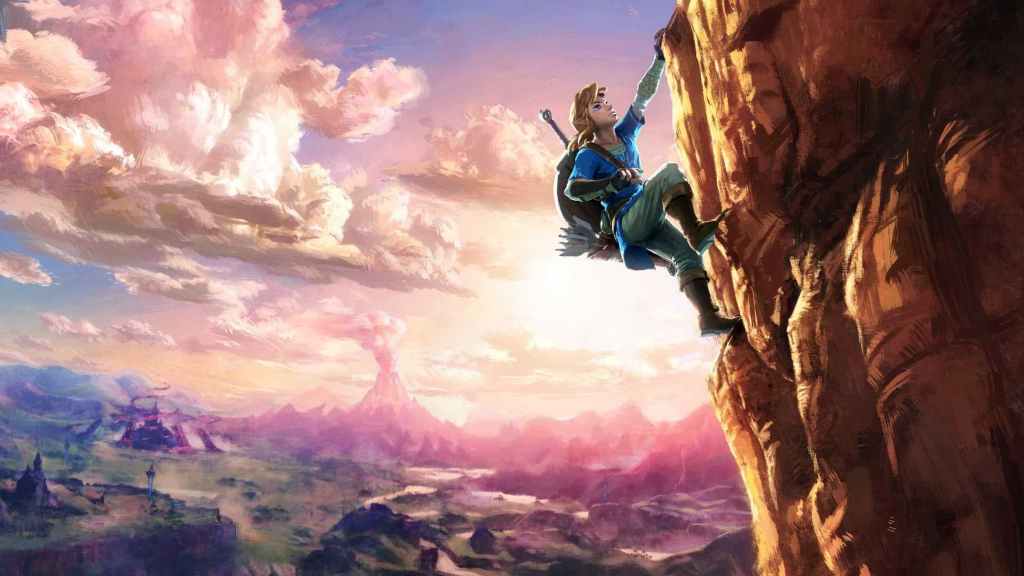
While this was a clever way to resolve the multiple timelines of the franchise, Breath of the Wild‘s new approach also raised a lot of questions. For one, the fate of Ganon in each of the timelines was different, with the hog-like warlock of the Downfall timeline not necessarily connecting with the Gerudo King of The Wind Waker or Twilight Princess, both of which existed in their own realities. Some elements introduced in games like The Twilight Princess have been directly referenced in Breath of the Wild, even as other elements (like the Light Spirits) didn’t play as much of a role in the lore as would be expected.
The Hyrule of The Wind Waker was also not the original Hyrule but rather a new realm discovered by Link and Tetra in The Phantom Hourglass, as the original Hyrule remained buried under the sea and lost to time — making those shared landmarks all the more confusing. Breath of the Wild also included references to the Sages from Ocarina of Time, hinting that the shared origins of the three timelines are still consistent with this new era. However, the battle against the likes of Calamity Ganon threw turmoil into the reincrantion cycle established by Demise — which in turn was seemingly reversed by the time of Tears of the Kingdom so that Ganondorf could be restored.
Where Zelda Goes Following The Age Of Calamity

All of these changes just raise further questions about the state of the Legend of Zelda canon. The conclusion of Tears of the Kingdom suggested that the power of the Demon King Demise, the eternal malevolent force that empowers Ganondorf and plays a major role in the reincarnation cycle of Link and Zelda, would recycle into a new take on the villain in some future battle. Tears of the Kingdom‘s conclusion could be seen as the finale for this incarnation of Link and Zelda, with a new era of peace setting in for the time being. This could be upended in some future Legend of Zelda game that takes place in a future setting, building off the events of those two games.
However, there’s another complicating factor thanks to Hyrule Warriors: Age of Calamity. The spin-off game may be considered outside the standard Zelda canon, but the events of the plot — which see Zelda and Link work with heroes from across the history of their world — end with Ganon seemingly sealed away for good and creating a secondary timeline within the Breath of the Wild era. It’ll be interesting to see how future entries in the franchise reckon with this turn of events, or if they decide to return to previous eras of the Legend of Zelda canon to avoid the complicating factors created by Breath of the Wild‘s fusion of the timelines.
Most Viewed
-

Image Courtesy of DreamWorks, United Artists, Warner Bros -
Courtesy of Kodansha / Kadokawa -

Images courtesy of Marvel Studios -

Image Courtesy of TMS Entertainment