The live service game model has been a consistent concept in the gaming world since the early days of the MMO, when massive multiplayer experiences were able to use the spread of the internet to create a constant stream of content and updates for players. Games like World of Warcraft set the stage for investments into similar games, all looking to replicate the broad success of that game. Live service really hit its stride in the last decade, with the spread of perpetually online multiplayer games corresponding to real-world complications like stay-at-home orders.
Videos by ComicBook.com
The model has continued to be at the heart of numerous game investments across the industry, but the marketplace has been steadily rejecting more and more of them. It turns out some companies, like Naughty Dog, realized the shifting times and adjusted development accordingly. While this does have a painful cost to the developers who were working on a live-service take on one of Naughty Dog’s biggest franchises, it may have been the canary in the coal mine for the current direction of the industry.
The Last Of Us Online’s Cancellation Was A Clue That The Forever Game Bubble Was Popping
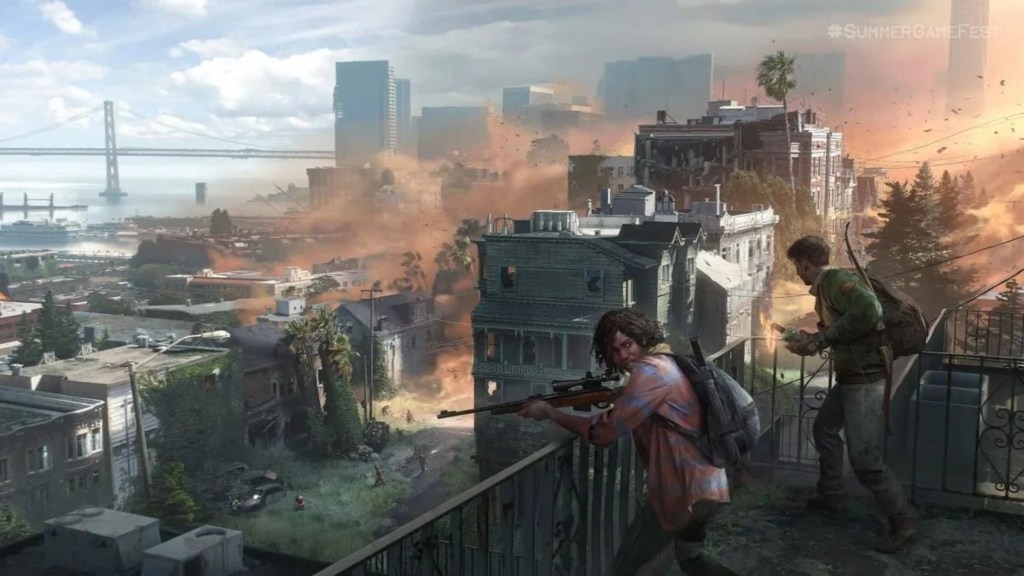
The Last of Us Online was apparently “80 percent” complete when the game was cancelled, according to the game’s director Vinit Agarwal. During an interview with Lance E. Lee, Agarwal discussed the emotional toll that the cancellation had on him, while also describing his perspective on Sony’s move towards live-service games during the height of the pandemic lockdowns. According to Agarwal, the big problems for his game arose when Naughty Dog was forced to choose between the online game or the in-house title being developed by Naughty Dog President Neil Druckmann. The company chose to go with that over the potentially perpetual commitments of The Last of Us Online, leading to the game’s cancellation after seven years in development.
It’s incredibly frustrating for Agarwal and his entire team that the game never got to see the light of day, especially because Agarwal describes their approach as something “experimental” that could have become a big hit. However, it also speaks to the foresight the company into the growing reality of the current gaming market: the guaranteed financial promise of “forever games” is ending. Instead, Naughty Dog shifted focus to their “bread and butter” games, as Agarwal described them, narrative-driven single-player games like the upcoming Intergalactic: The Heretic Prophet. That shift away from the commitments of a “forever game” like The Last of Us Online was likely the right call for the company, as that model of game seems to be failing to attract the attention it once had.
“Forever Games” Were Never The Key To Gaming’s Future

The proliferation of live-service games came at a time when, due to global lockdowns to address the pandemic, people began turning to gaming as a means of communication and activity. It was a banner period for the industry, pulling in more money than ever and leading to plenty of investments into game developers and publishers. It was also an era where live-service games like Fortnite became behemoths for the broader audience. However, that model of the game has been increasingly dealing with diminishing returns.
Potential “forever games” with live service were tried out across various genres, with plenty of games like Battlefield 2042, Knockout City, Concord, MultiVersus, New World: Aeternum, and plenty more games have launched and failed in quick succession. Highguard proved just how quickly the live-service model can fall apart, especially in comparison to the time and monetary investment needed to get these games off the ground in the first place. The Last Of Us Online is far from being cancelled as an online live service multiplayer game due to the shifting priorities of the publisher. Even old standbys like Fortnite have been struggling recently, with Epic Games CEO Tim Sweeney arguing that the dropping player engagement was a primary factor in the company’s recent decision to lay off over a thousand employees.
Live-service games are even the focus of lawsuits going on in France that could impact the way publishers can try to shut down live-service games, further impacting the financial realities of this style of development. All of these struggles speak to the way the industry is being forced away from a live-service model when other “forever games” like Minecraft and Roblox have captured the attention of younger players. The Last Of Us Online being shut down is a real tragedy for the team that put years of work into the game, but it was a decision that allowed Naughty Dog to avoid the tricky situation that numerous studios now find themselves in as the “forever game” experience seems to be dying out. This notably also leaves room for developers to focus more on story-driven single-player games. While it’s a shame we’ll never get to try the game Vinit Agarwal and his team had been working on, it’s part of an industry shift that also leaves room for games like The Last of Us 3 to come out instead.
Most Viewed
-

Lucasfilm Animation -

Image Courtesy of Warner Bros. Pictures