The strongest part of Baldur’s Gate 3 is mainly its writing, crafting an intricate world of unique characters and strong world building based off established TTRPG lore. Elements of D&D‘s narrative history drive much of BG3‘s foundation, but the original companions and events of the game help craft an extremely immersive RPG. One of the reasons why this game’s writing feels so authentic comes from unexpected input, marking a choice BG3 decided to follow early to ensure everything had layers of depth.
Videos by ComicBook.com
Long-form RPGs have hundreds of hours full of narrative content, from main quests to extensive side stories, with many usually expanding upon a world and its characters. Titles like Metaphor: ReFantazio, Fallout: New Vegas, or multiple Final Fantasy games have huge stories that rely on characterization to convey important moments or themes. Baldur’s Gate 3 is often praised for the many deviations in its story, allowing player choice to directly clash with characters or events to shape whatever tale they picked.
Baldur’s Gate 3 Refined Its Story Through Feedback & Input From Actors Portraying Companions
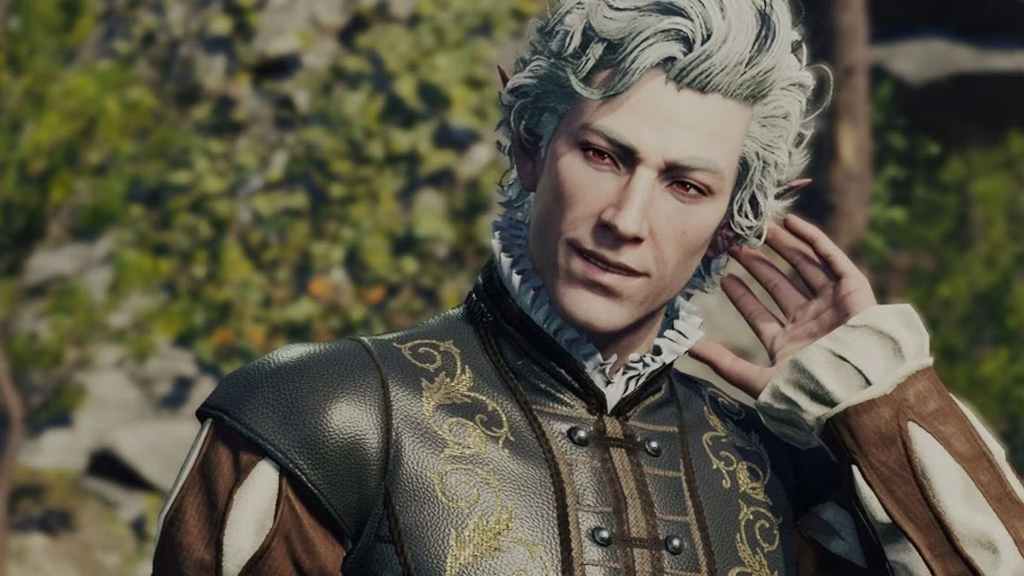
One of the most interesting aspects of Baldur’s Gate 3‘s development is just how much input the voice actors for certain characters had in the writing of the overall game. Specifically, companion (or origin) characters were largely created through the actors that portrayed them in association with developer Larian Studios. Considering how characters like Astarion have almost as much dialogue as the narrator, this fact is even more surprising.
Although it’s nothing new for a voice actor to help shape a gaming character, this usually happens in a vacuum depending on the genre. For example, single-player narrative adventures like those seen in The Last of Us or God of War (2018) have a much larger emphasis on motion capture and cutscenes where actors are theatrically playing certain characters. These scenes can be approached in the same way as a movie or TV show, where actors provide input with scene writers to refine a beat of the narrative in a defined scenario.
The difference in Baldur’s Gate 3 is that there are so, so many instances where talking to a character leads to long branches of dialogue, with a wealth of characterization beyond what linear cutscenes provide. This isn’t even mentioning the different reactions each companion has to your actions, as well as their origins and backgrounds that aren’t always easy to unveil. Furthermore, each character central to BG3‘s plot transforms across long Acts throughout hundreds of hours of gameplay, making each companion’s journey full of incredible detail.
The details to a companion’s origins and evolutions are ones that were a combination of Larian Studios’ work alongside certain actors. As an example, Neil Newbon, Jennifer English, and Devora Wilde have all stated that the adventures of Astarion, Shadowheart, and Lae’Zel respectively were ones they helped craft alongside the game’s writers. Much like creating a D&D character, the BG3 companions had personalities shaped by who was playing them, as much as their archetypes were created for the central story and gameplay.
Games With Longer Narratives Could Benefit From Taking Direction From Multiple Sources
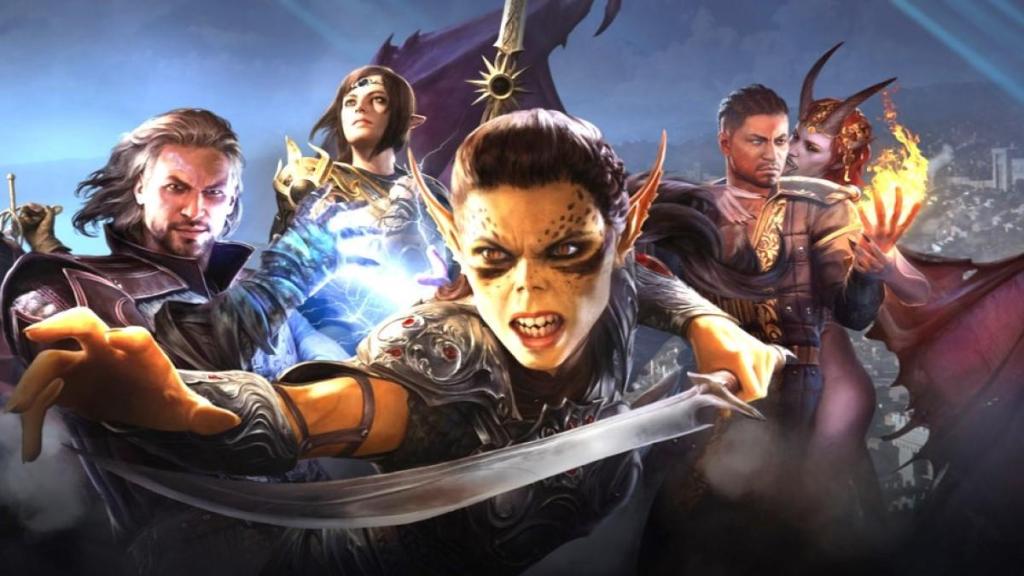
The characters crafted by the voice actors behind BG3 helped shaped far more involved narratives, including some that even correlated to deeply personal reflections of those performer’s lives. The baselines the actors helped create alongside Larian also likely made it easier for developers to create scenarios where those characters could shine. The confrontations between Wyll and his Warlock Patron Mizora, the possible ascension of Astarion against Cazador in Act 3, and many other events are enriched due to the authenticity of the characters themselves.
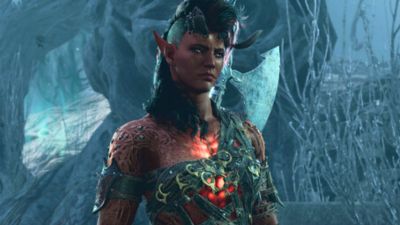
Games with longer narratives could benefit from having the same level of care placed into their characters from many sources. The actors portraying certain characters through hundreds, if not thousands, of written lines may understand the character well enough to provide feedback on how they would react to certain story events or how they would form relationships. By taking input from those living in certain characters, it can help the writing of a narrative-driven game feel “real,” especially compared to titles that have very stiff dialogue players have to listen to for extensive playthroughs.
Upcoming games like Larian Studio’s Divinity are likely to adopt the same approach as Baldur’s Gate 3, taking feedback from various sources to enhance its story. Games like BG3 that have long Early Access periods should also consider taking feedback from players about a game’s writing, to either expand certain narratives or pull back on others. While fans are by no means experts, they do provide a unique perspective that can only be shared when they get a glimpse into the tale behind your upcoming title.
Not every game has the same open-ended nature that allowed companions in Larian Studios’ massive hit to have such complex personalities, backgrounds, and story directions. However, by adopting a well-rounded design philosophy to characters in a given RPG, the narrative-driven elements of that game can reflect Baldur’s Gate 3‘s attention to detail, giving players ways to form strong attachments to the figures they meet.
What do you think about actors helping shape characters in games? Leave a comment below or join the conversation in the ComicBook Forum!
More Gaming
-
Image Courtesy of Electronic Arts/Secret Mode