Mass Effect is a modern classic, with the original trilogy — especially Mass Effect 2 — serving as highlights of an era where ambitious storytelling, tight characterization, and strong gameplay could blend together to deliver a truly awe-inspiring experience. This all built to Mass Effect 3, which was a major hit that also ran afoul of fan culture in the worst way possible, thanks to a divisive ending. If the series were to regain that initial spark, it needed a hit.
Videos by ComicBook.com
Unfortunately, the next entry in the series decidedly wasn’t that. Launching on March 21, 2017, Mass Effect: Andromeda had a far more mixed reception than the earlier games, failing to attract the attention or prestige that had elevated the series into a blockbuster success. With the next entry in the series currently in development, it’s worth looking back at the impossible challenge Mass Effect: Andromeda had to overcome and what the next game can learn from it.
Mass Effect: Andromeda Had An Impossible Task
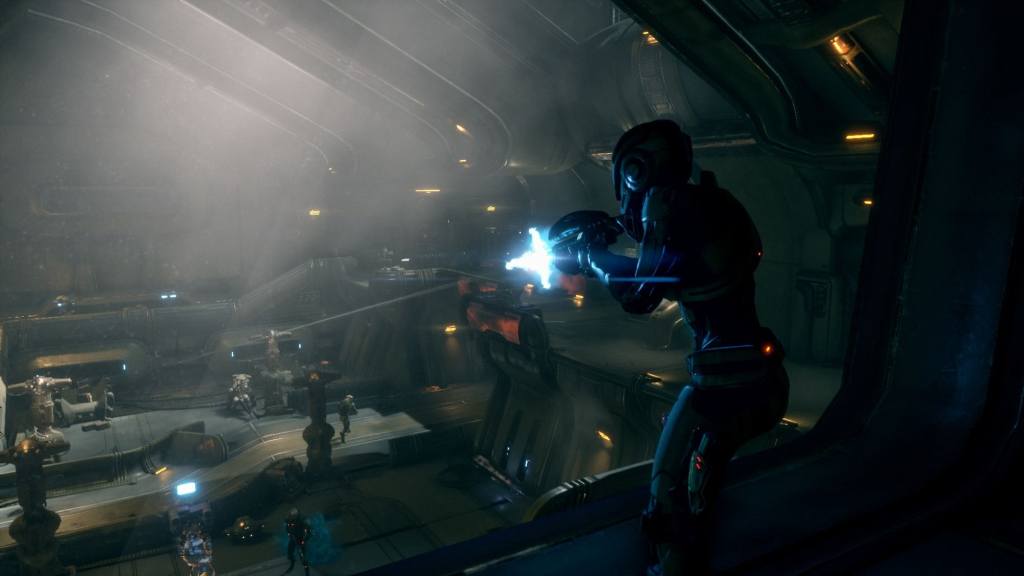
Mass Effect: Andromeda still stands out, even a decade later, as one of modern gaming’s biggest disappointments. To BioWare’s credit, though, the expectations might have been too high for anything short of a masterpiece. The original Mass Effect trilogy was a major hit for BioWare, with the deft mix of interpersonal character dynamics, epic galaxy-spanning storytelling, and strong underlying gameplay delivering the ultimate sci-fi experience for a generation. However, Mass Effect 3‘s divisive ending and the fallout of it still hung over the head of the franchise years later, to the point where BioWare eventually released a revitalized ending to dampen some of the blowback.
Given that and the conclusive nature of Mass Effect 3, it’s not surprising that the studio decided to go a different route with the next game in the franchise. The backstory revealed that the major races of Mass Effect had united and colonized a distant part of the cosmos during the events of the first three games, leading to a massive time jump and location shift away from the settings seen in the original trilogy. 600 years after the previous games and completely removed from the events of those titles, Mass Effect: Andromeda follows a new hero, their squad of allies, and the threat of the Archon.
The game’s design was intended to be a real shift away from those games, with updated combat mechanics and a tweaked morality system that dropped the Paragon/Renegade mechanics. These changes helped Mass Effect: Andromeda stand out from the previous game, reflecting the almost entirely new team behind the game. As the release approached, expectations were high — only for the first true sign of trouble to manifest when the first 10 hours of gameplay were made available the week before release. The graphics were roundly mocked by the gaming community, setting the stage for what was to come.
Mass Effect: Andromeda Was A Major Disappointment
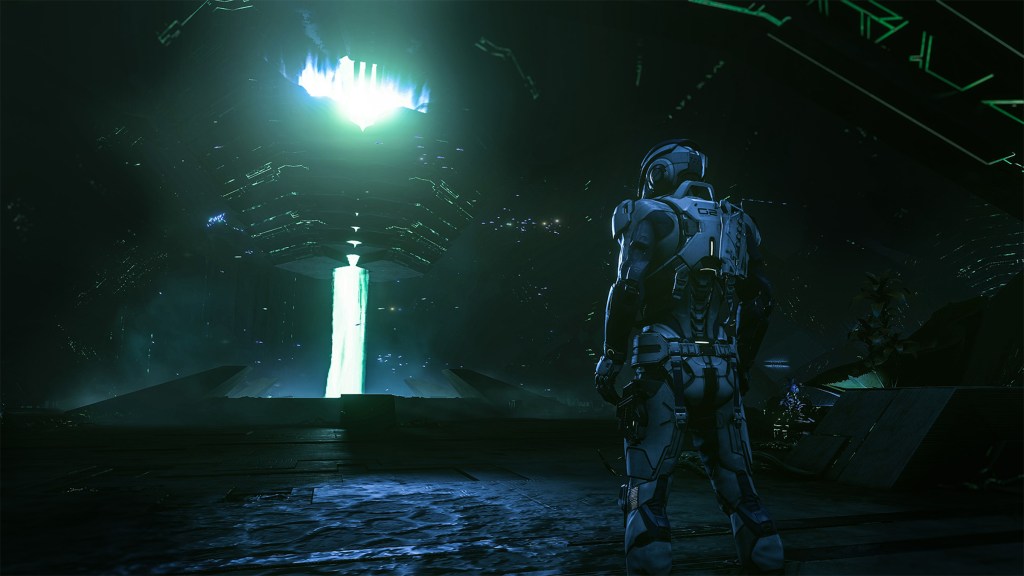
To be fair to Mass Effect: Andromeda, the game performed decently with critics. The game has a Metacritic score that ranges between 71 and 76 out of 100, depending on the platform. This is due to critics being largely torn about the title, but largely feeling like the game was a step down from the previous trilogy. The combat was well-received, highlighting a more action-packed approach to the game’s various shoot-outs. However, the controls were criticized, highlighting how the faster pace lost some of the more tactical aspects of the previous game’s cover-based system.
The central narrative was knocked for being boring compared to the previous trilogy. That criticism was held up against both the overarching narrative and the underlying character dynamics, with the intriguing teases of the larger world dampened by a more standard hero’s journey than the expansive and often quietly complex morality of the previous trilogy. While the game looked great on a graphical level, the underlying game design suffered from technical issues that could cause bugs, glitches, and even crashes.
Fans were even harsher on the game, with Mass Effect: Andromeda being routinely mocked online and decried by players as a disappointing follow-up. The game simply failed to deliver on the scale, characters, and heart that made the first three games so compelling to fans. While the game wasn’t a complete bust, selling roughly 4 million copies globally, the massive budget and pedigree of the previous trilogy had led to internal expectations that the game failed to reach. It even failed to outperform Mass Effect 3 in terms of sales, further casting a shadow on the release.
Mass Effect 5 Could Restore The Series To Its Former Glory
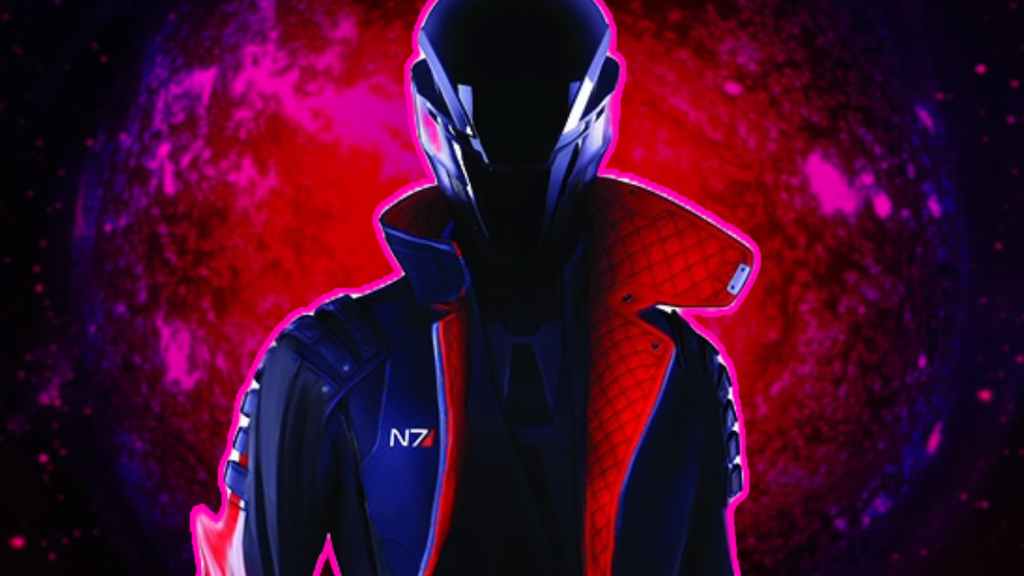
While there had been plans to quickly carry on the series, the franchise ended up taking a major break after Mass Effect: Andromeda. In 2020, it was announced that the series would continue in a new form — with more recent announcements revealing that BioWare is returning to Captain Shephard and original trilogy characters like Liara in hopes of recapturing the success of the original. It’s certainly possible, although the liberated spirit of the original trilogy has been cited as one of the aspects that may be toned down to reflect that a Saudi Arabia-led consortium purchased EA (and by extension BioWare).
The lowered expectations after Andromeda may end up being something of a boon for the developers of the new game, as a release that more accurately recreates the success of the first three games could be crucial to salvaging the franchise and elevating it back to its former glory. Returning to the familiar characters also makes sense, although it’s important that the series still move forward even if it returns to that original era. It’s also a potentially crucial game for BioWare, who have suffered other public blows like the closure of Anthem and questions surrounding the future of the developer. Almost a decade later, the developers on Mass Effect 5 must learn from the failures and struggles of Andromeda — because if they don’t, then the next entry in the series might be the last.
Most Viewed
-

Image Courtesy of MAPPA -
Image courtesy of Marvel Studios